How to Choose the Right Female Podiatrist in Chapel Hill, NC
By InStride Capital Foot and Ankle Centers
8 Views
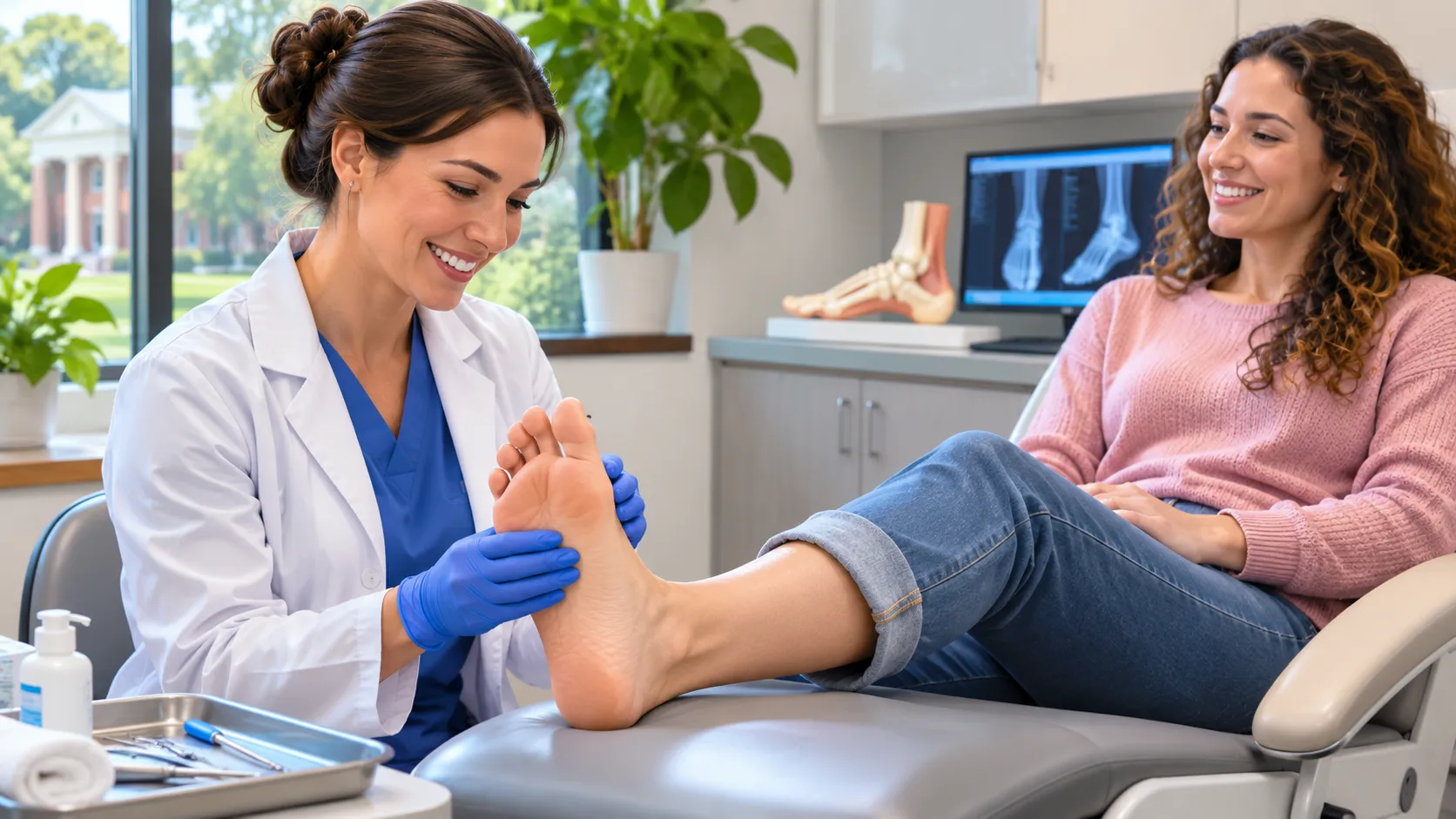
Foot pain can affect nearly every part of daily life, from walking around the neighborhood to standing at work or enjoying outdoor activities. When discomfort becomes persistent, finding a qualified foot specialist can make a meaningful difference. For patients who prefer a woman healthcare provider, choosing the right Female Podiatrist can also help create a comfortable and supportive experience.
In Chapel Hill, North Carolina, residents have access to specialized podiatric services for conditions involving the feet and ankles. Whether you are experiencing heel pain, bunions, ingrown toenails, or ongoing foot discomfort, finding a provider who understands your concerns is an important first step toward appropriate treatment.
However, choosing a podiatrist involves more than finding a nearby medical office. Professional qualifications, treatment experience, communication style, and personalized care should all influence your decision.
This guide explains what to look for when selecting a Female Podiatrist in Chapel Hill, NC, what questions to ask, and how professional foot care can support long-term comfort and mobility.
Understanding the Role of a Female Podiatrist
A podiatrist is a medical professional specializing in diagnosing, treating, and preventing conditions affecting the feet, ankles, and related structures of the lower limbs.
A Female Podiatrist receives the same specialized medical education and clinical training required of other qualified podiatrists. The primary difference is the provider's gender, which may be an important consideration for patients who have personal preferences regarding their healthcare experience.
According to the American Podiatric Medical Association, doctors of podiatric medicine complete specialized medical education and hospital-based residency training focused on foot and ankle conditions.
Podiatrists can evaluate a wide range of concerns, including common injuries, structural abnormalities, skin and nail problems, and chronic pain.
For some patients, choosing a female healthcare professional encourages more comfortable conversations about symptoms and treatment preferences. However, the quality of care ultimately depends on professional competence, communication, and the provider's ability to develop an appropriate treatment plan.
Why Some Patients Prefer a Female Podiatrist
Healthcare decisions are personal, and patients should feel comfortable discussing their concerns with the medical professional they choose.
Some individuals specifically search for a Female Podiatrist because they prefer receiving care from a woman. Others may have had positive experiences with female providers or simply feel more comfortable discussing sensitive health concerns in that setting.
Comfort During Medical Appointments
Foot examinations sometimes involve discussing personal medical information, physical limitations, and symptoms that patients may find embarrassing.
A provider who creates a respectful environment can make these conversations easier.
For patients who prefer female clinicians, selecting a woman podiatrist may reduce anxiety about examinations and encourage open communication.
Confidence in Discussing Foot Health
Some people delay seeking treatment because they feel uncomfortable discussing conditions such as fungal toenails, bunions, painful calluses, or changes in foot appearance.
Choosing a provider with whom they feel comfortable can help patients describe their symptoms more openly.
Clear communication allows the podiatrist to better understand the patient's concerns and recommend appropriate care.
Personalized Healthcare Preferences
Every patient has different expectations regarding healthcare.
Some prioritize extensive treatment experience, while others place greater emphasis on communication style, appointment availability, or provider gender.
A qualified Female Podiatrist may be a good choice for patients who value that preference alongside strong clinical qualifications and individualized attention.
1. Check Professional Qualifications and Experience
One of the most important factors when selecting a podiatrist is professional training.
In the United States, qualified podiatrists earn a Doctor of Podiatric Medicine degree, commonly abbreviated as DPM. They also complete clinical training designed to prepare them to diagnose and manage foot and ankle conditions.
Before selecting a provider, review their educational background, residency training, professional license, and relevant clinical experience.
Verify Licensure
Podiatrists practicing in North Carolina must meet the state's professional licensing requirements.
Patients can use the official North Carolina Board of Podiatry Examiners license verification service to check whether a podiatrist holds an active state license.
Checking credentials provides an additional level of confidence when choosing a medical professional.
Consider Specialized Experience
Different foot conditions may require different clinical approaches.
For example, a patient with recurrent plantar fasciitis may benefit from a provider experienced in conservative heel pain treatment, while someone experiencing a sports injury may require a more detailed evaluation of joint and tendon function.
When researching a Female Podiatrist, consider whether the provider regularly evaluates and treats conditions similar to yours.
Board certification, where applicable, may provide additional information about advanced training and professional qualifications.
2. Look for Experience With Common Foot and Ankle Conditions
A qualified podiatrist should be able to evaluate a broad range of foot-related concerns.
Understanding the conditions commonly treated at a practice can help patients determine whether its services match their needs.
Heel Pain and Plantar Fasciitis
Heel pain is a frequent reason people visit podiatrists.
Plantar fasciitis, a condition involving irritation of the plantar fascia along the bottom of the foot, commonly causes discomfort during the first steps after resting.
Treatment may include stretching exercises, supportive footwear, orthotic devices, and changes to physical activity.
A podiatrist can evaluate the source of heel pain and recommend treatment based on the patient's symptoms.
Bunions and Toe Deformities
Bunions develop near the base of the big toe and may cause discomfort, swelling, and difficulty wearing certain shoes.
Other conditions, such as hammertoes, can contribute to pressure and irritation within footwear.
A foot specialist may recommend shoe modifications, padding, or other conservative measures. Surgical treatment may be considered when symptoms remain significant despite appropriate non-surgical care.
Ingrown Toenails
An ingrown toenail occurs when part of the nail presses into the surrounding skin.
Symptoms may include pain, tenderness, swelling, and redness.
A podiatrist can determine whether conservative treatment or a minor nail procedure is appropriate.
Patients should avoid attempting aggressive home treatment, especially when infection, diabetes, or poor circulation is present.
Sports Injuries and Foot Strain
Running, walking, recreational sports, and repetitive physical activities can place additional stress on the feet and ankles.
A podiatrist can assess injuries involving tendons, ligaments, bones, and other structures.
For Chapel Hill residents who enjoy staying active, appropriate diagnosis and treatment can help prevent minor problems from becoming long-term limitations.
3. Choose a Podiatrist Who Offers Personalized Treatment
Every patient's feet, lifestyle, and medical needs are different.
A treatment plan that works for one individual may not be suitable for another.
When choosing a Female Podiatrist, look for someone who takes time to understand your symptoms, medical history, activity level, and personal treatment goals.
Comprehensive Foot Examinations
An effective podiatric consultation generally begins with a review of symptoms and a physical examination.
The provider may assess foot structure, joint movement, tenderness, circulation, and walking patterns.
Depending on the symptoms, additional diagnostic testing may be recommended.
The goal is to identify the underlying cause of discomfort rather than simply address the most noticeable symptom.
Individualized Treatment Planning
Some patients benefit from supportive footwear and stretching exercises, while others require prescription orthotics, physical therapy, medication, or medical procedures.
A personalized plan considers the diagnosis, symptom severity, daily activities, and the patient's preferences.
Patients should feel comfortable asking why a particular treatment is recommended and what alternatives may be available.
4. Consider Non-Surgical Foot Care Options
Many foot and ankle conditions can be managed without surgery.
For this reason, understanding a podiatrist's approach to conservative treatment is valuable when comparing healthcare providers.
Custom Orthotic Devices
Custom orthotics are specially designed shoe inserts that may help support the feet and redistribute pressure.
They may be useful for selected patients experiencing arch discomfort, plantar heel pain, or certain mechanical foot problems.
However, not everyone needs prescription orthotics. Some patients may benefit from suitable over-the-counter inserts or footwear changes.
A podiatrist can help determine whether custom devices offer a meaningful advantage.
Stretching and Strengthening Exercises
Certain foot conditions respond well to exercises designed to improve flexibility and muscle function.
For example, calf stretching and plantar fascia exercises are commonly included in conservative heel pain treatment.
The specific exercises should be selected according to the patient's diagnosis and physical abilities.
Advanced Non-Surgical Treatments
Some podiatry practices also offer treatments such as shockwave therapy, laser-based procedures, and other specialized options.
These treatments are not appropriate for every condition, and the quality of supporting evidence varies by diagnosis and procedure.
Patients should ask about expected benefits, possible side effects, costs, and alternatives before proceeding.
A thoughtful Female Podiatrist should be willing to explain the available options and help patients make informed decisions.
5. Evaluate Communication and Patient Comfort
A successful healthcare experience involves more than receiving a diagnosis.
Patients should understand their condition, feel respected during appointments, and have opportunities to ask questions.
When meeting a podiatrist for the first time, consider whether the provider listens carefully and explains medical information in understandable language.
Clear Explanations
Medical terminology can be confusing, particularly when patients are unfamiliar with foot anatomy.
A good podiatrist should explain the likely cause of symptoms, available treatment options, and realistic expectations for recovery.
The provider should also discuss situations in which additional evaluation may be necessary.
Respect for Patient Preferences
Patients may have concerns about procedures, medication, treatment costs, or recovery time.
A healthcare professional should take these concerns seriously and involve the patient in treatment decisions.
Choosing a Female Podiatrist who respects individual preferences can help support a productive working relationship.
Continued Support
Some conditions require follow-up appointments or adjustments to treatment.
Ask how the practice handles ongoing symptoms, follow-up visits, and questions that arise after the initial consultation.
Continuity of care can be especially important for people managing recurring foot and ankle problems.
6. Consider Location, Accessibility, and Appointment Availability
Convenience is another practical factor when choosing a podiatrist.
A conveniently located office can make it easier to attend appointments, especially when walking is painful or repeated visits are necessary.
For residents of Chapel Hill, Carrboro, and surrounding Orange County communities, a nearby podiatry practice may help reduce travel-related difficulties.
Office Location
Consider how easily you can reach the practice from home, work, or other regular destinations.
Parking availability, building access, and office accessibility may also influence your decision.
Scheduling Flexibility
Before booking, ask about appointment availability and whether the practice accepts new patients.
Patients seeking a particular Female Podiatrist should confirm which office locations and appointment days that provider currently serves.
Insurance and Payment Information
Not every podiatry practice accepts every insurance plan.
Contact the office and your insurance provider to verify network participation, referral requirements, copayments, and potential out-of-pocket expenses.
For treatments such as prescription orthotics or specialized procedures, ask about coverage before beginning care.
7. Research the Provider and Medical Practice
Online research can help patients narrow their choices before scheduling an appointment.
Start by reviewing the practice's official website for information about its podiatrists, services, office locations, and treatment philosophy.
Professional biographies may provide details about medical education, residency training, certifications, and clinical interests.
Patient reviews can also offer insight into scheduling experiences, communication, and office operations.
However, reviews are subjective and should not replace an assessment of professional qualifications.
When comparing providers, pay attention to consistent information across official websites, licensing resources, and professional directories.
Female Podiatrist Care in Chapel Hill, NC: A Local Option
Residents seeking a Female Podiatrist in Chapel Hill may consider InStride Capital Foot and Ankle Centers, a podiatry practice serving patients throughout the North Carolina Triangle.
Its Chapel Hill office is located at 1504 East Franklin Street, Suite 203, and provides comprehensive foot and ankle care.
The practice's published provider information identifies Dr. Christine Palma, DPM, as a podiatrist serving its Chapel Hill and Cary locations.
Dr. Palma completed her podiatric medical education at Temple University School of Podiatric Medicine and surgical residency training at UF Health Jacksonville. According to her professional biography, she is board certified by the American Board of Foot and Ankle Surgery.
Her clinical background includes comprehensive podiatric care and foot and ankle surgery, with an emphasis on helping patients maintain mobility and return to everyday activities.
The Chapel Hill practice lists services for conditions such as plantar fasciitis, heel pain, bunions, ingrown toenails, sports-related concerns, and other foot and ankle problems.
Available treatment options include custom orthotics and selected non-surgical procedures, alongside other medical and surgical services.
Patients interested in seeing Dr. Palma should confirm her current schedule and appointment availability directly with the office.
Questions to Ask Before Choosing a Female Podiatrist
A brief conversation with the medical office can help clarify whether a provider is a suitable match for your needs.
Consider asking the following questions:
-
What experience does the podiatrist have treating my specific foot condition?
-
Is the provider licensed and board certified, where applicable?
-
What non-surgical treatment options are available?
-
What should I expect during the first appointment?
-
Does the office accept my health insurance plan?
-
How are follow-up visits and ongoing treatment handled?
-
Which days is my preferred provider available at the Chapel Hill location?
These questions can help patients evaluate professional experience, convenience, and the overall approach to care.
What to Expect During Your First Podiatry Appointment
A first podiatry visit generally involves discussing symptoms, reviewing medical history, and examining the affected foot or ankle.
The provider may ask when the pain began, what activities make it worse, whether you have experienced previous injuries, and what treatments you have already tried.
Bring Relevant Medical Information
Patients should bring a current medication list, relevant medical records, insurance information, and any referral documents required by their plan.
Shoes or orthotic inserts that contribute to discomfort may also be helpful for the podiatrist to examine.
Describe Your Symptoms Clearly
Explain where the discomfort occurs, how frequently it happens, and whether it affects walking, standing, or exercise.
Mention additional symptoms such as swelling, numbness, skin changes, or persistent tenderness.
Providing accurate information helps the podiatrist understand the problem and determine whether further testing is necessary.
Discuss Treatment Expectations
Before leaving, make sure you understand the diagnosis, recommended treatment, and any instructions for home care.
Ask when improvement might reasonably occur and what symptoms should prompt another appointment.
A comfortable relationship with your Female Podiatrist can make these discussions easier throughout the treatment process.
When Should You Seek Professional Foot Care?
Minor soreness after unusual physical activity may improve with rest and appropriate footwear.
However, persistent or recurring pain should not be ignored.
Consider scheduling a podiatry evaluation if foot discomfort lasts for an extended period, repeatedly interrupts daily activities, or causes changes in how you walk.
Other reasons to seek medical attention include worsening heel pain, recurring ingrown toenails, persistent swelling, unexplained numbness, or difficulty wearing normal footwear.
Sudden severe pain, an inability to bear weight after an injury, signs of infection, or a new foot wound in someone with diabetes may require prompt or urgent medical evaluation.
Early assessment can help identify potentially serious conditions and guide appropriate treatment.
Frequently Asked Questions About Choosing a Female Podiatrist
1. How do I find a qualified Female Podiatrist in Chapel Hill, NC?
Start by reviewing local podiatry practice websites, professional credentials, and provider biographies. Confirm that the podiatrist holds an active North Carolina license and has relevant experience treating your condition. You can also contact medical offices directly to verify whether a female provider is available at the Chapel Hill location.
2. What conditions can a Female Podiatrist treat?
A Female Podiatrist can evaluate and treat many conditions involving the feet and ankles, including plantar fasciitis, bunions, ingrown toenails, arthritis-related discomfort, sports injuries, and structural foot problems. Available treatments depend on the provider's training, clinical expertise, and the patient's diagnosis.
3. Is a Female Podiatrist different from a male podiatrist?
Female and male podiatrists follow the same professional education and licensing requirements. Both can provide high-quality foot and ankle care. The decision to select a female provider generally reflects personal comfort, communication preferences, or individual healthcare priorities rather than a difference in medical qualifications.
4. Can a Female Podiatrist provide non-surgical treatment for foot pain?
Yes. Depending on the condition, a podiatrist may recommend supportive footwear, orthotic devices, stretching exercises, activity adjustments, or other conservative treatment options. Surgery is generally considered according to the diagnosis, symptom severity, and response to appropriate non-surgical care.
5. Where can I find a Female Podiatrist at InStride Capital Foot and Ankle Centers?
InStride Capital Foot and Ankle Centers lists Dr. Christine Palma, DPM, among its providers serving Chapel Hill and Cary. Patients can contact the Chapel Hill office at (919) 829-0076 to confirm her current appointment availability and discuss their foot care needs.
Final Thoughts
Choosing the right Female Podiatrist in Chapel Hill, NC, involves considering professional qualifications, clinical experience, communication style, and the availability of appropriate treatment options.
A provider who listens to your concerns and explains your diagnosis clearly can help you make confident decisions about your foot health.
Whether you are dealing with heel pain, recurring discomfort, ingrown toenails, or another foot-related concern, personalized medical attention can be an important part of maintaining mobility and comfort.
For residents seeking professional foot and ankle care, InStride Capital Foot and Ankle Centers offers a local option in Chapel Hill.
Practice Information:
Business Name: InStride Capital Foot and Ankle Centers
Address: 1504 E Franklin St, Suite 203, Chapel Hill, NC 27514, United States
Phone: +1 919-829-0076
Website: https://www.northcarolinafootandankle.com
Category: Podiatrist
If persistent foot pain is affecting your daily routine, consider arranging a professional evaluation to better understand your symptoms and available treatment options.