How to Choose the Perfect Coffee Table for Your Living Room in Barbados?
By Gajah Home
24 Views
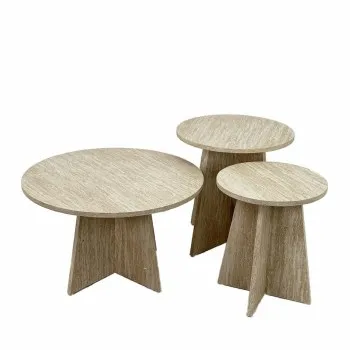
A coffee table is an important part of living room furniture because it combines everyday functionality with interior style. Whether you have a spacious home or a compact apartment, the right table can complement your sofa, provide a convenient surface for drinks and books and bring the entire seating area together. When selecting a Barbados coffee table, consider your living room layout, furniture dimensions, preferred materials and overall décor style to find an option that suits your home.
In Barbados, choosing furniture also means considering the local climate and lifestyle. Warm temperatures, humidity and the use of indoor-outdoor living spaces can influence which materials and finishes work best. A carefully selected table should offer durability, easy maintenance and an attractive appearance while complementing the colours and textures of your existing furniture. By understanding the available designs and practical features, you can make a choice that keeps your living room comfortable and visually appealing.
1. Consider the Size of Your Living Room
Before buying a coffee table, measure the available floor space and consider how your existing furniture is arranged. A large table may suit an expansive living room with a spacious sectional sofa, while a smaller design can work better in an apartment or a compact seating area.
Leave enough space between the table and the sofa for comfortable movement. As a general guideline, approximately 14 to 18 inches of clearance is often suitable, although the ideal distance depends on your room layout and personal needs. You should also leave clear pathways around the seating area so family members and guests can move freely.
Choosing the correct size helps maintain balance between your furniture pieces without making the room feel crowded.
2. Select a Material That Suits Your Lifestyle
Coffee tables are available in wood, glass, metal and engineered materials, each offering different benefits. Your choice should depend on the look you want to achieve, how frequently you use the table and how much maintenance you are comfortable with.
Wooden coffee tables can create a warm, natural appearance that suits traditional, contemporary and tropical-inspired interiors. Glass tables can make smaller rooms appear more open because they allow light to pass through the surface. Metal designs may complement modern interiors, while tables made from engineered wood can provide a range of finishes and styles at different price points.
For homes in Barbados, it is worth considering humidity when selecting materials. Look for suitable protective finishes, follow the manufacturer's care instructions and avoid prolonged exposure to moisture. If your living room opens onto a patio or balcony, make sure the table is designed for the environment in which you intend to use it.
3. Match the Table with Your Sofa
Your coffee table should complement your sofa in both height and proportion. A table that is too high or too low can feel uncomfortable to use, while one that is too wide may restrict movement around the seating area.
As a starting point, choose a table that is approximately the same height as your sofa seat or slightly lower. Its length should also be proportionate to the sofa. Many homeowners find that a table around two-thirds the length of their sofa creates a balanced appearance, although sectional sofas and unusual layouts may require a different approach.
Consider colour and texture as well. A light wooden table can complement a neutral sofa, while a darker finish may create contrast against cream or beige upholstery. Coordinating these elements helps create a welcoming living room without requiring every furniture piece to match exactly.
4. Choose the Right Shape
The shape of your coffee table can influence how your living room looks and functions. Rectangular tables are popular for standard sofas because they provide a generous surface area. Round tables work well in smaller rooms and can soften interiors with angular furniture. Square tables may suit large seating arrangements, particularly those featuring sectional sofas.
Oval tables offer an alternative for households that want a longer surface with softer edges. If you have children or frequently entertain guests, rounded corners may also be a practical consideration.
Think about how people use the room before deciding. A table should be easy to reach from the main seating positions while allowing enough room to walk around it comfortably.
5. Look for Useful Storage Features
A coffee table can provide more than a place to display decorative accessories. Some designs include drawers, lower shelves or hidden compartments that help keep everyday items organised.
A table with storage can be especially useful in smaller homes where space is limited. You can store remote controls, magazines, coasters and other frequently used items without leaving the tabletop cluttered. Open shelving is suitable for displaying books or baskets, while concealed storage offers a cleaner appearance.
If you prefer a minimalist interior, choose a simple design with enough surface space for essential items. For a busy family living room, prioritise durability and easy cleaning alongside storage capacity.
6. Consider Your Living Room Décor
The right coffee table should fit naturally into your existing interior design. Consider your wall colours, flooring, curtains, sofa upholstery and decorative accessories before choosing a finish. This will help you create a coordinated space without making the room feel overly uniform.
For a Caribbean-inspired living room, natural textures, light colours and understated decorative pieces can create a relaxed atmosphere. Wooden finishes, woven baskets, indoor plants and neutral fabrics may work well together. If your home has a contemporary style, consider a table with clean lines, a simple silhouette and a contrasting finish.
Decorative styling should remain practical. A small tray, a book or a modest vase can add character without taking up the entire tabletop. Leave sufficient room for drinks and other everyday essentials.
7. Set a Budget and Compare Quality
Coffee tables are available at a wide range of prices, so establish a budget before shopping. Compare dimensions, materials, construction quality, finishes and available storage features rather than making a decision based on appearance alone.
Check whether the table feels stable, whether its edges are properly finished and whether the materials are suitable for regular use. It is also helpful to review cleaning requirements, delivery arrangements and any assembly instructions before placing an order.
When shopping for living room furniture in Barbados, compare available styles and practical features to find an option that offers good value for your needs. A well-made table that suits your space can remain useful and attractive for years.
Conclusion
Choosing the perfect coffee table involves balancing size, material, shape, storage and design. By measuring your living room, matching the table to your sofa and considering the local climate, you can select furniture that supports your daily routine while improving the appearance of your home.
Whether you prefer a natural wooden finish, a modern glass design or a practical table with built-in storage, focus on comfort, durability and proportion. Thoughtful furniture choices can transform your living room into a more organised, inviting and stylish space for relaxing with family or welcoming guests.
Related Reading
Expert Insights: Navigating the Complex World of Home Improvement
Welcome to our in-depth exploration of Home Improvement. In an era defined by ra...
Why Home Improvement is Transforming the Global Industry Landscape
Welcome to our in-depth exploration of Home Improvement. In an era defined by ra...