How to Choose the Best Study Table for Students of Different Ages
By David Warner
15 Views
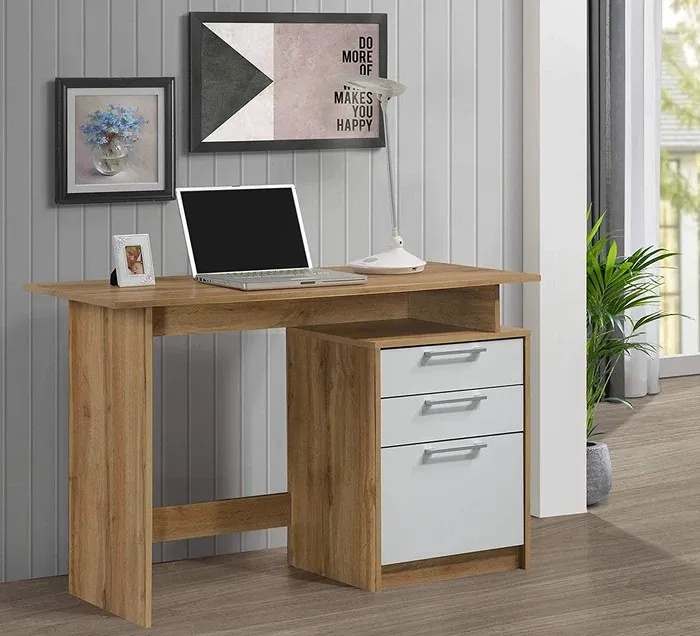
A study table is an important part of a student's learning environment. It provides a dedicated place for reading, writing, completing homework, using a computer, and keeping school supplies organised. However, students of different ages have different needs. A table that works well for a young child may not be suitable for a teenager or a college student.
When choosing a study table for students, it is important to consider their age, height, study habits, available space, storage requirements, and the type of work they usually do. The right table should provide enough space for studying while supporting comfortable posture and helping maintain an organised workspace.
This guide explains how to choose the best study table for students at different stages of their education.
Why Choosing the Right Study Table Matters
Students can spend several hours each day reading, writing, drawing, using laptops, or completing assignments. An unsuitable table can make the study area uncomfortable and difficult to organise.
A properly selected study table can provide:
- A dedicated space for academic work
- Enough room for books and stationery
- Better organisation of study materials
- Comfortable working conditions
- Space for computers or laptops when required
- A suitable surface for writing and reading
- A workspace that can adapt as the student grows
The ideal study table does not need to be complicated. It should simply match the student's current needs while offering enough practicality for everyday use.
Study Tables for Young Children
Young students, particularly those in their early school years, usually need a simple and comfortable workspace. Their activities may include drawing, colouring, reading picture books, writing, and completing basic homework.
For this age group, choose a table that has a comfortable height and an easy-to-use surface. The child should be able to sit comfortably without having to stretch their arms too far or bend excessively while writing.
Important Features for Young Students
A children's study table should ideally have:
- A child-friendly height
- A stable and sturdy structure
- Rounded or smooth edges
- Enough tabletop space for books and stationery
- Easy-to-clean surfaces
- Simple storage for pencils, notebooks, and school supplies
Storage does not have to be extensive at this stage. A small drawer or shelf can be enough to keep everyday items organised.
Parents should also consider whether the table can accommodate the child's changing needs. A practical design can remain useful for several years instead of being replaced quickly.
Study Tables for Primary School Students
As children progress through primary school, their academic workload usually increases. They may need to manage textbooks, notebooks, worksheets, craft materials, and other school supplies.
At this stage, a slightly larger student study table can be a practical choice. The table should provide enough working space for an open notebook and a textbook without making the surface feel crowded.
Look for Useful Storage
Storage becomes more important as the student's school materials increase. A table with drawers, shelves, or compartments can help keep frequently used items within reach.
Consider a design with:
- One or more drawers
- Open shelves
- Space for books
- A dedicated stationery area
- A spacious writing surface
The goal is to create a workspace where the student can easily find what they need without filling the entire tabletop with books and supplies.
Study Tables for Middle School Students
Middle school students often have more subjects, larger textbooks, longer assignments, and increasing digital requirements. Many students may also begin using laptops or tablets for research and schoolwork.
For this age group, a study table should provide a balance between workspace and storage.
A wider tabletop can be useful because students may need to keep multiple books open while studying. If the student uses a laptop regularly, make sure there is sufficient room for the device while still leaving space for writing.
Consider Digital Study Needs
Technology is now an important part of many students' education. Before purchasing a table, think about how it will be used.
A suitable table may need:
- Space for a laptop
- Room for books and notebooks
- Cable management options
- A convenient drawer or shelf
- Enough legroom
- A sturdy surface for regular use
If a computer or laptop is used frequently, avoid choosing a table that is too small simply because it takes up less room.
Study Tables for Teenagers
Teenagers usually require a more versatile study area. Their schoolwork may involve extensive reading, writing, projects, presentations, online research, and computer-based assignments.
At this stage, a study table for students should provide enough space for both traditional and digital study.
A larger tabletop can make it easier to separate different activities. For example, a student can keep a laptop on one side and books or notebooks on the other.
Choose a Practical Design
Teenagers may also have stronger preferences regarding furniture design. Instead of selecting a table based only on appearance, consider whether the design supports everyday use.
Look for:
- A spacious tabletop
- Strong construction
- Adequate storage
- A comfortable working height
- A design that fits the bedroom
- Easy-to-maintain materials
A neutral and practical design can remain suitable as the student's preferences change over time.
Study Tables for College Students
College students often have different requirements from school students. They may use laptops for several hours, work on assignments, attend online classes, read textbooks, and manage personal projects.
A college study table should therefore function as a flexible workstation.
Prioritise Workspace
If the student regularly uses a laptop, notebooks, headphones, chargers, and other accessories, choose a table with enough surface area to accommodate them comfortably.
Storage is also useful because college students may need space for textbooks, documents, stationery, and personal items.
Depending on the room size, a compact table can work well in a hostel or small bedroom, while a larger desk may be preferable for a dedicated home study area.
Consider the Student's Height
Age is a useful starting point, but height is equally important. Two students of the same age may have different physical requirements.
The table should allow the student to sit naturally with their arms resting comfortably while writing or typing. Their legs should have adequate room underneath the tabletop.
When choosing a table, consider the chair and table together rather than selecting them independently. A suitable combination can make the entire study setup more comfortable.
Choose the Right Table Size
The available room space should also influence your decision.
For a small bedroom, a compact study table may be the most practical option. For larger rooms, you can consider a wider table with additional storage.
Before buying, measure:
- The available wall or floor space
- The table's width and depth
- The height of the table
- Available legroom
- Space required for a chair
- Clearance around drawers and doors
Taking measurements in advance can prevent the table from making the room feel crowded.
Storage Requirements Change With Age
Storage needs usually increase as students move through different educational stages.
Young children may only need a small drawer for pencils and colouring materials. Primary school students may need space for notebooks and textbooks. Older students may require additional storage for documents, laptops, accessories, and study materials.
A study table with storage can therefore be a useful long-term option.
However, avoid choosing excessive storage if it makes the table unnecessarily large. The best design is one that provides the right amount of storage for the student's actual requirements.
Pay Attention to Material and Durability
Students use their study tables regularly, so durability is important. A sturdy table can handle everyday writing, books, laptops, and other study accessories.
Wooden and engineered wood study tables are common choices for home study spaces. When selecting a table, check the construction, surface finish, joints, drawers, and overall stability.
The table should remain stable while the student writes or uses a laptop. Smooth surfaces are also easier to clean and maintain.
Think About Future Use
Children grow quickly, and their study requirements change with age. Instead of buying a table that only meets their current needs, consider whether it can remain useful for several years.
A versatile design with a reasonably spacious tabletop and practical storage can adapt as the student's academic workload increases.
For younger children, this can reduce the need to replace furniture as they move into higher classes. For teenagers and college students, a simple design can continue to work as a general-purpose desk.
Match the Study Table With the Room
The study table should fit naturally into the student's room. Consider the room's layout, existing furniture, colours, and available space.
A table that is too large can restrict movement, while one that is too small may not provide enough workspace.
Placement is also important. If possible, position the table in an area with good natural or artificial lighting. Keep enough space around the table so that the student can sit and move comfortably.
Avoid Choosing a Table Based Only on Appearance
A stylish study table can improve the appearance of a room, but looks should not be the only deciding factor.
Before purchasing, ask:
- Is the table the right size?
- Is it suitable for the student's height?
- Does it provide enough workspace?
- Does it have useful storage?
- Is the construction sturdy?
- Can it accommodate a laptop if required?
- Will it remain useful as the student grows?
- Does it fit comfortably in the available space?
Answering these questions can make the buying decision more practical.
Final Thoughts
Choosing the best study table for students of different ages requires more than selecting a table based on design. Young children need simple, accessible furniture, while primary and middle school students may benefit from additional workspace and storage. Teenagers and college students generally need more versatile tables that can accommodate books, laptops, assignments, and other study materials.
The right choice should balance size, height, storage, durability, comfort, functionality, and room space. Most importantly, choose a study table that supports the student's current needs while remaining practical as their study habits and academic requirements change.
A well-planned study area can make everyday learning more organised and comfortable. By choosing a table according to the student's age, size, study routine, and available space, parents and students can create a workspace that is useful for years to come.
Related Reading
Expert Insights: Navigating the Complex World of Home Improvement
Welcome to our in-depth exploration of Home Improvement. In an era defined by ra...
Why Home Improvement is Transforming the Global Industry Landscape
Welcome to our in-depth exploration of Home Improvement. In an era defined by ra...