How to Choose the Best Hat Packaging for Shape and Style Protection
By gyle hub
6 Views
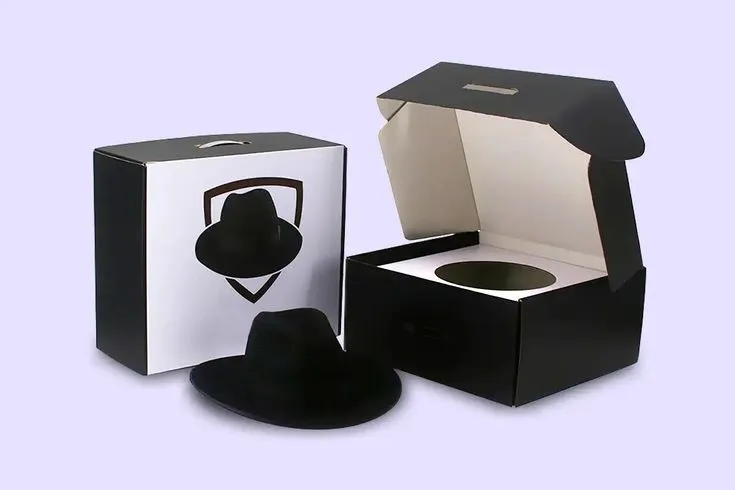
A hat is about the only product that gets an identity from its shape. A shirt can be packed flat, shaken out and worn. A hat that's sent with a bent brim, a smooshed crown, or a wrinkled logo patch – all signs that it's been worn – feels and looks worn; no amount of steaming will undo the damage. Customers see it instantly and will send it back or review it.
The solution, then, to selecting the packaging for your hat is, in short, to maintain its shape. We have to create a box, an insert, and a manner of holding the hat that will maintain the hat's shape through shipping, storage, and display.
Know What You Are Protecting
Not all hats are created equal, and each one comes with its own weak point.
Baseball caps and snapbacks: the curved or flat brim can soften or bend with the shape of the hat, and the front panel will usually crease where the design or logo sits.
Humid wet hat: such as a fedora or wide-brim hat, the brim is large and thin, and the brim can easily warp. The crown can cave in if the hat is stored upside down or crushed.
These are all stretchy and malleable, so crushing isn't really an issue here. The main thing is to keep them clean and looking nice.
Bucket hats and sun hats: they, too, can be rolled up, but loose packing can cause kinks.
All raised embroidery, badges, and leather patches need room so they don't get squashed.
Take a moment to identify which of these risks apply to your assortment of styles. A beanie box won't work for a fedora.
Match the Box Shape to the Hat
Round and Cylindrical Boxes
Round hat boxes are perfect for fedoras, larger brimmed hats, and formal headwear as the circular shape allows the brim to sit naturally and applies pressure evenly around all parts of the brim. They are visually attractive and can be stacked.
Rectangular and Square Boxes
These are the go-to containers for baseball caps and most other caps you see on the street. They crush down tightly into cartons and fit well with crown-wrapping inserts. For retail sellers, they also display better on the shelf.
Window and Display Boxes
A transparent front panel gives the shopper an unobstructed view of the hat in store. The window panel should be a firm film, and the hat should be secured in a position so it cannot move behind the front panel.
Mailers and Shipping Cartons
For online orders, the presentation box of the hat tends to fit inside a tougher outer carton. The double wrap keeps the branded box protected from the bumps and rough treatment experienced by couriers.
Select the Correct Material
Material determines how much force a box can take before it passes that force to the hat.
|
Material |
Strength |
Best For |
Notes |
|
Corrugated board |
High |
Shipping, stacking, heavy or large hats |
Excellent crush resistance; can be printed or wrapped |
|
Rigid (greyboard) |
Very high |
Premium and gift packaging |
Holds shape for years; strong shelf presence |
|
Kraft paperboard |
Medium |
Light caps, eco-focused brands |
Recyclable and affordable |
|
Folding carton |
Low–Medium |
Beanies, budget ranges |
Needs a sturdy outer carton for shipping |
Beanies, budget ranges
Needs a sturdy outer carton for shipping
Let's face it, a corrugated hat gift box for baseball packaging is a classic design of material and purpose combined. The fluted layers are crush-resistant, the box itself is courier-grade, and a printable surface makes it the ideal cap protector and brand carrier.
In the premium range, brands tend to opt for wrapped rigid. One example is Premier Rigid Boxes, which offers custom hat boxes made of dense greyboard with lift-off or magnetic lids that are appropriate for limited editions and gift sets where the presentation is just as important as the product.
Inserts: Where Shape Is Actually Held
The outer box is the boundary; the insert will keep it in. A few options that will do the job.
Crown inserts. Keeps the shape of the crown, usually a molded pulp or cardboard form that fits inside the crown and prevents it from caving in. Useful for structured caps and fedoras.
Brim cradles. A tray with a curved channel supports the brim edge along its length and prevents it from flattening.
Tissue stuffing. Inside the crown, place acid-free tissue paper for partial support and to help keep the shape. Cheap to do, perfect for soft hats.
Dividers. When you're working with multi-hat sets, a divider stops brims from pushing into one another.
Foam cut-outs. Very good for expensive or delicate hats, as they are firm and won't dimple easily. They absorb shocks.
Choose the one that fits tight and doesn't move from side to side, but be sure to shake the closed box. If any object moves, the insert is not right.
Protect the Style Details
The way you style it. Style features deserve some styling.
Embroidery/patches: don't squeeze them tight against the box wall.
Metal badges and pins: put away or cover these so they do not scratch the printed lining or fabric.
Color & Finish: dark hats attract lint; light-colored hats may attract dye from colored tissues. Use neutral, acid-free tissues. General Office: Shooting Bag box or bags. If it is a tan or untreated leather, it will need to be cleaned and re-tanned.
Bands and feathers: avoid pressure points with bling.
Scale It Correctly
Sizing mistakes are more damaging than weak materials. A box that's too big will allow the hat to slip and roll; a box that's too small can crush the brim. Measure the hat at its broadest and tallest – with any crown lining inside – then add 10- 15 mm all around for clearance around the brim, so it doesn't press against the sides.
If your product comes in several sizes, think about using boxes in two or three standard dimensions instead of a one-size carton. The reduction in damage and return costs usually pays for additional tooling.
Think About Branding and Unboxing
Too many hats are purchased for the condition or as a gift, so presentation is important. A printed lid, foil-stamped logo, and branded tissue wrap make a worthwhile reveal. The inside should be no messier than the outside; this is the next thing the customer sees after the lid is removed.
As a shopper, sustainability can also be a factor in purchasing decisions. Recyclable board, water-based inks, and plastic-free closures provide consumers with an easy moral choice to make when choosing our product.
Test Before You Scale
Test your product with several trial runs using a finished sample before you ship large quantities:
Shake test to check for movement.
Drop test onto the base, side and corner from approximately one meter.
Stack test with five kilos on top for an entire day.
Humidity check if you ship to a wet climate, as moisture weakens the panel.
Following each test, examine the brim, the crown and any patches. If the hat is returned looking untouched, then it has been packaging-ready.
Frequently Asked Questions
Which box is best for shipping baseball caps?
When it comes to a Crown Support or Snug Insert, a Corrugated Box is the most reliable. It will not crush and will prevent the brim from flexing.
Is an insert required if the box fits well?
Yes, most of the time. It should be tight enough to hold the hat but not so tight that it causes it to change shape. The insert will help support the crown and brim of the hat, which are the parts most likely to change shape.
How do I stop brims from bending?
Alleviate pressure using a brim cradle or a divider, and place the closed box on a flat surface with the hat packed so that it can't move. Do not place heavy items on top of the box.
Related Reading
Top 10 Hidden Secrets About Business & Finance You Need to Know
Welcome to our in-depth exploration of Business & Finance. In an era defined...
Why Business & Finance is Transforming the Global Industry Landscape
Welcome to our in-depth exploration of Business & Finance. In an era defined...