How To Choose The Best Basmati Rice For Biryani For Different Regional Biryani Styles
104 Views
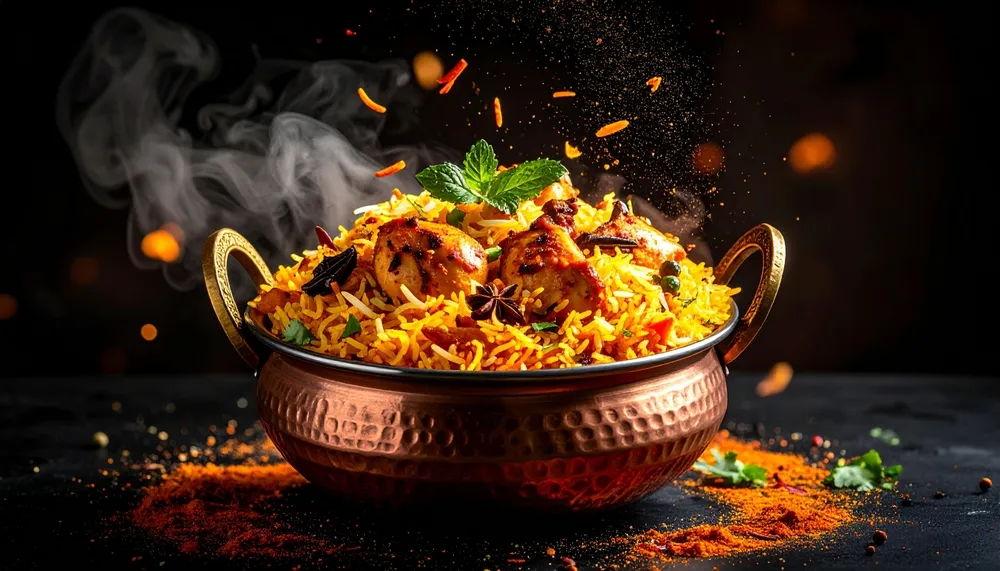
Few dishes inspire as much passion as biryani.
Mention biryani in a room full of food lovers and the conversation quickly shifts from casual discussion to spirited debate. Some swear by Hyderabadi biryani. Others defend Lucknowi biryani with equal conviction. Kolkata biryani has its loyal followers, while Malabar biryani occupies a special place in many households. Each style carries its own history, cooking techniques, spice profile, and culinary identity.
Yet beneath all those regional variations lies one ingredient that quietly determines the success of the final dish.
Rice.
No matter how flavorful the spices are or how carefully the meat or vegetables are prepared, the quality of the rice has a profound influence on texture, aroma, presentation, and overall eating experience. Choosing the best basmati rice for biryani is not simply about selecting a premium-looking package. Different regional biryani styles often benefit from slightly different rice characteristics, and understanding those differences can help home cooks achieve more authentic results.
The ideal rice should complement the cooking method, absorb flavors effectively, remain distinct after cooking, and contribute to the signature character of the dish.
Why Rice Plays Such a Critical Role in Biryani
Biryani is unlike many other rice-based dishes.
The rice is not merely a carrier for spices or accompaniments. It is one of the central components of the dish itself. Every grain should contribute to the overall experience through its aroma, texture, appearance, and ability to absorb flavors.
When rice performs well, biryani feels balanced. The grains remain separate, the spices distribute evenly, and the dish retains its visual appeal.
When rice performs poorly, even the most carefully prepared biryani can feel heavy, sticky, or uneven.
This is why experienced cooks often spend considerable time evaluating rice before beginning the cooking process.
What Makes Basmati Rice Suitable for Biryani?
Basmati rice has long been associated with biryani because of several characteristics that align naturally with traditional cooking methods.
These qualities typically include:
● Long grain structure
● Distinct aroma
● Light texture
● Good elongation during cooking
● Ability to remain separate after preparation
These attributes help create the layered, elegant presentation that many biryani styles are known for.
However, not every basmati variety performs identically.
Differences in grain length, aging, moisture content, and processing can influence final results.
Understanding the Importance of Grain Length
One of the first factors people notice when evaluating rice is grain length.
Long grains contribute significantly to the visual appeal of biryani. They create a lighter appearance and help showcase the layering that defines many traditional preparations.
Long-grain basmati generally offers:
● Better visual presentation
● Improved separation
● Enhanced texture
● Greater elongation after cooking
For biryani, grain length often becomes an important quality indicator because appearance plays such a large role in the dining experience.
Grain Characteristics and Their Impact
Rice Characteristic
Influence on Biryani
Long Grains
Improved presentation
Grain Elongation
Better texture
Aroma
Enhanced flavor perception
Separation
Cleaner layering
Aging
Improved cooking performance
These factors work together to shape the final dish.
Aged Rice Often Produces Better Results
Many experienced cooks prefer aged basmati rice for biryani.
As rice ages, its moisture content gradually decreases. This often improves cooking performance by helping grains remain separate and reducing the likelihood of excessive stickiness.
Aged rice may also develop a more pronounced aroma and enhanced texture during cooking.
This is one reason why many consider aged varieties among the best basmati rice options for biryani preparation.
While aging alone does not guarantee quality, it frequently contributes to more consistent results.
Matching Rice to Regional Biryani Styles
Not all biryanis are identical.
Regional variations often involve different cooking methods, spice intensities, moisture levels, and layering techniques. As a result, rice selection should ideally complement the style being prepared.
Hyderabadi Biryani
Hyderabadi biryani is known for its robust flavors and dum cooking technique.
The rice used in this preparation should:
● Elongate well
● Retain structure during dum cooking
● Absorb flavors effectively
● Maintain grain separation
Because the rice spends significant time cooking alongside marinated ingredients, structural integrity becomes particularly important.
Lucknowi Biryani
Lucknowi biryani generally emphasizes refinement and subtlety.
The rice should support:
● Delicate flavor integration
● Elegant presentation
● Light texture
● Balanced aroma
Long, slender grains often complement the visual sophistication associated with this style.
Kolkata Biryani
Kolkata biryani is known for its balanced spice profile and distinctive use of potatoes.
The rice should offer:
● Good flavor absorption
● Consistent grain separation
● Pleasant aroma
● Soft yet structured texture
Since the dish often relies on nuanced flavors, rice quality becomes especially noticeable.
Malabar Biryani
Malabar biryani differs significantly from many northern styles.
Although some regional versions traditionally use rice varieties other than basmati, modern adaptations frequently incorporate basmati rice.
When using basmati for Malabar-style preparations, cooks often prioritize:
● Aroma
● Moisture retention
● Flavor compatibility
The goal is creating harmony between the rice and the rich spice profile.
Aroma Should Never Be Overlooked
Biryani is a sensory experience.
Before anyone tastes the dish, they encounter its aroma.
The fragrance released during cooking often shapes expectations and contributes significantly to perceived quality.
High-quality basmati rice typically offers a naturally distinctive aroma that complements spices rather than competing with them.
When evaluating rice, aroma deserves as much attention as grain length or appearance.
Cooking Behavior Matters More Than Packaging Claims
Many rice products highlight premium features on their packaging.
While labels can provide useful information, actual cooking performance remains the most important factor.
The best basmati rice should consistently deliver:
● Grain separation
● Uniform cooking
● Flavor absorption
● Structural integrity
A rice variety that performs reliably under real cooking conditions is often more valuable than one that simply appears impressive before preparation.
Factors Home Cooks Should Evaluate
Choosing rice becomes easier when attention is focused on a few practical considerations.
Rice Selection Checklist
Evaluation Factor
Why It Matters
Grain Length
Supports presentation
Aging
Improves cooking behavior
Aroma
Enhances overall experience
Grain Uniformity
Supports consistent cooking
Texture After Cooking
Influences mouthfeel
Flavor Absorption
Helps integrate spices
These characteristics often provide a more reliable assessment than marketing language alone.
Why Consistency Is Important
One overlooked aspect of rice selection is consistency.
A cook may achieve excellent results once, but true quality becomes apparent when those results can be repeated.
Consistent rice quality supports:
● Predictable cooking times
● Reliable texture
● Uniform flavor distribution
● Better presentation
For families who prepare biryani regularly, consistency often becomes a major consideration.
Common Mistakes When Choosing Rice for Biryani
Even experienced cooks occasionally focus on the wrong criteria.
Some common mistakes include:
● Choosing rice solely based on appearance
● Ignoring grain aging
● Overlooking aroma
● Selecting rice without considering the cooking style
● Prioritizing price over performance
Biryani is a dish where ingredients interact closely. Rice should be selected as part of the overall cooking strategy rather than as an isolated ingredient.
Why Regional Styles Deserve Individual Consideration
One reason biryani remains so beloved is its diversity.
There is no single "correct" version.
Different regions developed distinct techniques based on local ingredients, traditions, and culinary preferences. The rice selected for one style may not necessarily be ideal for another.
Understanding these nuances allows cooks to make more informed decisions and achieve results that feel authentic to the chosen style.
The goal is not merely cooking rice well.
The goal is to select rice that enhances the unique identity of the biryani being prepared.
Conclusion
Choosing the best basmati rice for biryani involves more than selecting the longest grain or the most recognizable package. Factors such as aging, aroma, grain structure, cooking performance, and compatibility with specific regional styles all influence the final result.
Whether preparing a richly layered Hyderabadi biryani, a refined Lucknowi version, or a delicately balanced Kolkata preparation, rice selection plays a central role in achieving the desired texture and flavor. Understanding how different characteristics contribute to the cooking process allows home cooks to make more informed decisions and elevate the quality of their dishes.
As consumers increasingly access premium ingredients through modern channels such as India grocery delivery, brands like Khazana continue helping households source quality rice options that support authentic and memorable biryani experiences.