How to Choose Natural Marble for a Stylish and Practical Home
By Allison Roy
43 Views
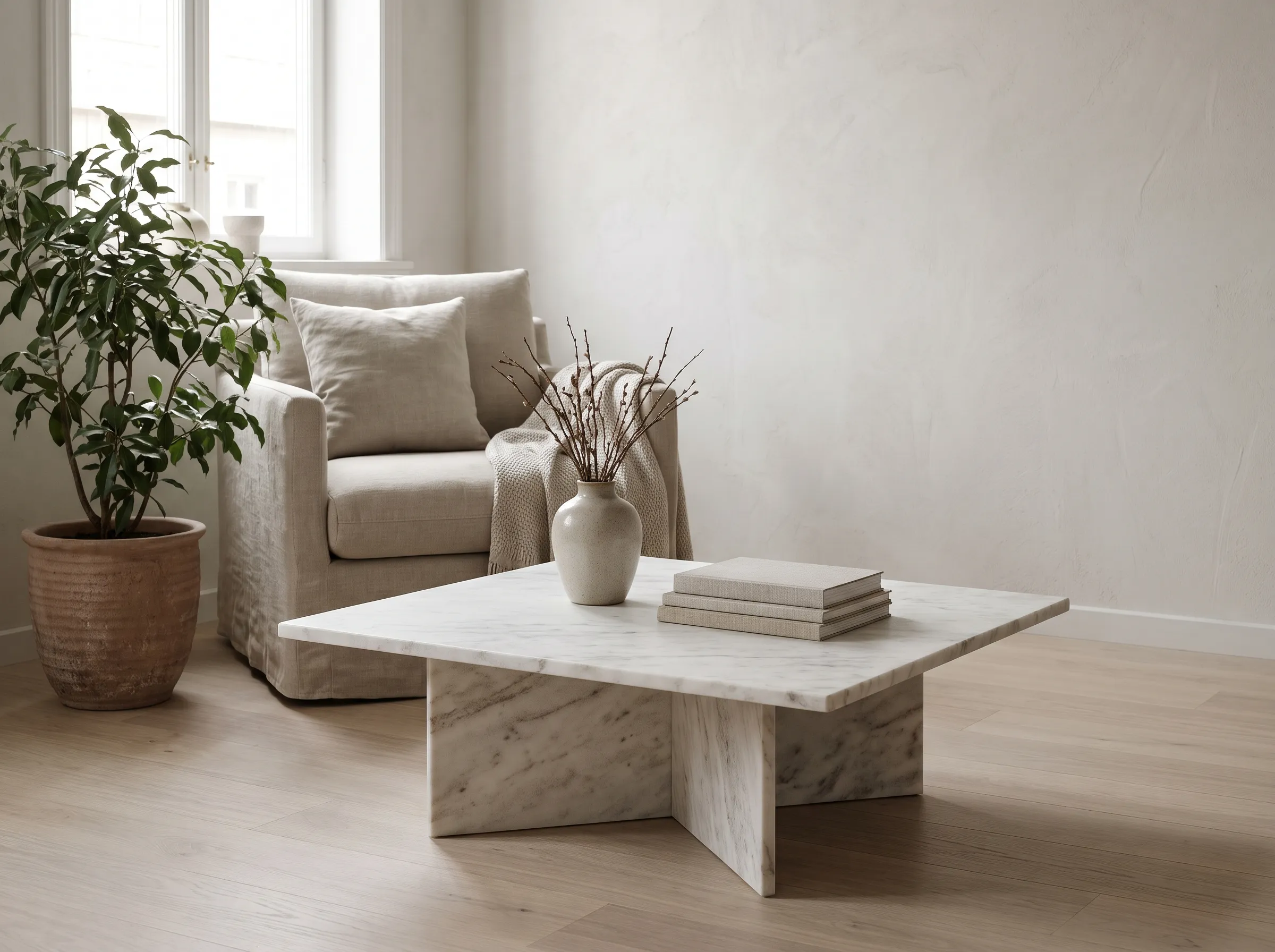
A home feels thoughtfully designed when its materials work together. The flooring, countertops, wall finishes, and furniture all contribute to the atmosphere, but some surfaces naturally attract more attention than others. Natural marble is one of those materials. Its distinctive patterns and subtle color variations can give even a simple room a more individual appearance.
For homeowners considering a light, elegant stone, Calacatta Gold marble tiles are worth exploring. Their pale background and flowing grey and golden veins can complement modern kitchens, traditional bathrooms, and other interiors where warmth and natural detail are welcome.
However, choosing marble is not just about finding an attractive pattern. The stone needs to suit the room, the intended use, and the amount of maintenance you are prepared to handle. Understanding these details before buying can help you make a decision that works long after the renovation is finished.
Why Natural Marble Makes a Difference
One of the main reasons homeowners choose marble is its natural variation. Unlike surfaces printed with a repeated design, genuine marble develops its appearance through geological processes. Its veins, mineral markings, and changes in color make each slab different.
This individuality gives designers plenty of options. A quiet, lightly veined stone can support a minimalist interior, while a more dramatic variety can become the main feature of a kitchen or bathroom.
Marble also works with several popular materials. Wood adds warmth, glass keeps a room feeling open, and metal fixtures can highlight particular tones in the stone. The result can be traditional, contemporary, or somewhere between the two.
There is one important consideration: marble is a natural material that requires appropriate care. It can be affected by acidic substances and may develop marks through everyday use. Its appearance is appealing, but buyers should understand its practical limitations as well.
1. Start With the Room Where You Plan to Use It
Before comparing colors and finishes, decide where the marble will go. A countertop has different requirements from a decorative wall, and a bathroom floor needs different considerations from a fireplace surround.
Kitchen countertops and islands
The kitchen is a natural place for a marble feature. A countertop provides a large, visible surface where the stone's pattern can become part of the room's design.
A marble island can work particularly well with simple cabinetry. White or cream cabinets create a light, coordinated appearance, while walnut and oak introduce contrast. Brass handles and warm lighting can bring out golden tones in the stone.
If the island is large enough, a waterfall edge can extend the marble down its sides. This creates a continuous feature and makes the natural pattern more noticeable.
Before choosing marble for a busy kitchen, consider how you use the space. Cooking oils, coffee, citrus juice, and wine can leave marks if spills are not handled properly. If low maintenance is your highest priority, compare marble with other countertop materials before deciding.
Bathroom vanities and walls
Bathrooms are another suitable setting for natural stone. A marble vanity top can make a relatively small installation feel special without covering every wall.
For a more dramatic design, marble can also be used on shower walls or as a feature behind a freestanding bathtub. Pair it with simple fixtures, clear glass, and neutral cabinetry so that the natural pattern remains the main attraction.
Installation quality matters in wet areas. Waterproofing, suitable adhesives, correct sealing practices, and professional workmanship all affect the long-term result.
Floors and entryways
Marble flooring can make an entrance or living area feel bright and welcoming. Its natural markings add variation to a surface that might otherwise appear plain.
The finish deserves particular attention here. A polished floor may become slippery when wet, so ask about slip resistance and whether the selected finish is suitable for the room. Entryways also collect dust and grit, which can gradually affect the surface.
Fireplaces and feature walls
A fireplace surround or feature wall offers a way to introduce marble without making it the dominant material throughout the home.
A large slab can create a clean architectural appearance in a contemporary living room. In a more traditional space, marble can sit comfortably alongside wooden furniture, textured upholstery, and warm lighting.
2. Understand the Difference Between Marble Finishes
The finish affects how a stone looks, feels, and shows everyday wear. Two pieces of the same marble can produce different visual effects depending on how their surfaces have been treated.
Polished marble has a glossy surface that reflects light. It can make a room feel brighter and often gives the natural veining a more defined appearance. This finish is commonly selected for decorative walls, vanity tops, and statement countertops.
Its reflective quality can also make etching and certain surface marks easier to see.
Honed marble has a matte or low-sheen appearance. It creates a softer effect and works well in interiors with natural textures and understated colors.
A honed surface still needs care. It is not automatically resistant to stains, scratches, or acidic substances. The right choice depends on the specific stone and where it will be installed.
When comparing finishes, ask your supplier for samples and view them under lighting similar to that in your home.
3. Choose Colors That Complement the Stone
Marble should connect with the rest of the room rather than compete with it. This is especially important when selecting a variety with prominent veins.
For a warm interior, natural wood and beige or cream finishes can complement golden and brownish tones. Light oak creates a relaxed appearance, while darker walnut adds depth.
Metal details can also change the overall impression. Brushed brass and champagne bronze bring attention to warmer veins. Matte black creates a stronger contrast, while chrome and stainless steel give the room a cooler finish.
Wall colors deserve the same attention. A stone with a creamy background may look more harmonious beside warm white paint than a very cool shade of white.
It helps to bring home samples of paint, cabinetry, and flooring before making the final choice. Viewing them together is more reliable than judging each material separately in a showroom.
4. Inspect the Actual Slab Before Buying
Photographs are useful for discovering different stone varieties, but they do not always show the complete appearance of a slab. Natural marble can vary significantly in color and veining.
Whenever possible, inspect the actual material before confirming your order. Pay attention to:
-
Background color: Does it look bright white, creamy, or slightly grey?
-
Vein direction: Do the lines suit the shape and layout of your installation?
-
Pattern distribution: Is the veining concentrated in one area or spread across the slab?
-
Natural variation: Are there markings or color changes you want to account for?
-
Dimensions: Will the available sizes work for your project?
-
Finish: Is the surface appropriate for its intended use?
If your project needs several slabs, ask how they will look together. This is particularly important for large kitchen islands, long countertops, and bookmatched wall installations.
5. Think About Fabrication and Installation
Even a beautiful slab can produce a disappointing result if the fabrication and installation are poorly planned.
Discuss the layout with your stone fabricator before cutting begins. Edge profiles, sink openings, tap holes, seams, and corner details all affect the final appearance.
Vein placement deserves special attention. A skilled fabricator can help position the most attractive sections where they will be visible, particularly around islands and feature walls.
Also request a clear estimate covering the full project. The stone price may not include transportation, cutting, polishing, installation, or additional finishing work. Comparing complete quotations makes it easier to understand the actual cost.
6. Learn How to Maintain Marble
Marble is not a maintenance-free surface. It contains calcium carbonate, which can react with acidic materials such as lemon juice and vinegar. This reaction can create dull spots known as etching.
A few simple habits help protect the surface:
-
Wipe spills promptly rather than allowing liquids to sit.
-
Use cleaning products made for natural stone.
-
Avoid acidic cleaners and abrasive pads.
-
Use cutting boards and coasters in the kitchen.
-
Keep grit and dirt under control on marble floors.
-
Ask a stone professional whether sealing is recommended.
Sealing may help reduce staining, but it does not make marble completely stain-proof or protect it from etching. Follow the supplier's care instructions for the specific stone and finish you have selected.
If a mark appears, avoid experimenting with strong chemicals. A stone restoration professional can identify the problem and recommend an appropriate treatment.
7. Decide Whether Marble Suits Your Lifestyle
The right material is not necessarily the one with the most dramatic appearance. It is the one that fits your home and the way you live.
A household that enjoys cooking every day may have different countertop priorities from someone who uses the kitchen occasionally. A busy entrance may need a different flooring solution from a formal sitting room.
Think about how much upkeep you are comfortable with, how often the surface will be used, and whether natural wear would bother you. Marble can develop signs of use over time, and some homeowners appreciate this developing character. Others prefer a surface that remains more uniform.
There is no single answer for every household. Taking these practical questions seriously makes it easier to choose a stone you will continue to enjoy.
Final Thoughts
Natural marble can bring character, warmth, and visual interest to many parts of a home. It works particularly well when the stone is selected for a clear purpose, its finish suits the application, and the surrounding materials complement its natural pattern.
Calacatta Gold is an appealing option for people who like light surfaces with expressive grey and golden veining. Whether used on a kitchen island, bathroom vanity, or decorative wall, it can become a distinctive feature without requiring an elaborate interior scheme.
Take time to inspect the material, discuss fabrication with an experienced installer, and understand its care requirements before purchasing. A thoughtful choice will help the stone feel like a natural part of your home rather than simply another decorative finish.
Related Reading
Expert Insights: Navigating the Complex World of Home Improvement
Welcome to our in-depth exploration of Home Improvement. In an era defined by ra...
Why Home Improvement is Transforming the Global Industry Landscape
Welcome to our in-depth exploration of Home Improvement. In an era defined by ra...