How to Choose Loose Lab Diamonds in Canada for Custom Jewellery
By AGI Design
30 Views
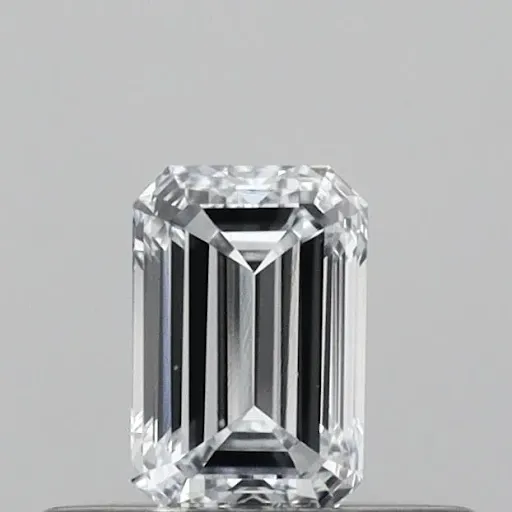
Choosing a diamond is a personal decision that combines visual preferences, budget considerations, and an understanding of gemstone quality. For people planning a custom jewellery piece, selecting a loose diamond offers greater flexibility than purchasing a finished design. Buyers can evaluate the stone first and then decide how it should be set, what metal to use, and which details best reflect their style. Exploring loose lab diamonds in Canada can help shoppers compare available options and make a more informed choice when creating jewellery for a special occasion or everyday wear.
What Are Lab-Grown Diamonds?
Lab-grown diamonds are real diamonds created using controlled technological processes rather than forming naturally underground over geological timescales. Two common production methods are High Pressure High Temperature (HPHT) and Chemical Vapour Deposition (CVD). Both can produce diamonds with the same fundamental crystal structure and chemical composition as natural diamonds.
Like mined diamonds, lab-grown diamonds can vary in colour, clarity, cut quality, and carat weight. They are not the same as diamond simulants, such as cubic zirconia, which may resemble diamonds visually but have different physical and chemical properties.
Understanding this distinction helps buyers evaluate stones based on their actual characteristics rather than assumptions about how they were produced.
Why Consider Buying a Loose Diamond?
A loose diamond can be inspected before it becomes part of a finished piece of jewellery. This gives buyers the opportunity to focus on the stone's appearance, proportions, and quality without being influenced by the setting alone.
It also creates more design flexibility. A selected diamond can be paired with a solitaire setting, a halo design, a three-stone arrangement, or a more distinctive custom mounting. Buyers can compare different precious metals and setting styles before committing to the final design.
When reviewing loose lab diamonds in Canada, it is useful to consider the complete jewellery project from the beginning. The diamond's shape and dimensions may influence the setting options, while the desired ring style can affect which stone proportions look most balanced.
Understanding the Four Cs
The Four Cs—cut, colour, clarity, and carat weight—provide a useful framework for comparing diamonds. Each factor contributes to the stone's overall appearance and price.
Cut
Cut quality influences how effectively a diamond reflects and returns light. A well-cut stone can display attractive brightness and sparkle. Cut proportions and symmetry are particularly important when comparing round brilliant diamonds, although other shapes also benefit from careful evaluation.
Colour
Diamond colour is commonly graded on a scale that ranges from colourless to stones with more noticeable colour. The visual difference between grades can vary depending on the diamond's shape, size, and setting. Comparing stones under consistent lighting can help buyers understand these differences.
Clarity
Clarity describes the presence and visibility of internal characteristics, known as inclusions, and external features, known as blemishes. Higher clarity grades generally indicate fewer or less noticeable characteristics. However, some inclusions may not be visible without magnification, so the practical appearance of the diamond matters alongside its grade.
Carat Weight
Carat measures a diamond's weight rather than its exact physical size. Two diamonds with the same carat weight can appear different in size because of their shape and proportions. Buyers should consider face-up dimensions as well as carat weight when comparing stones.
Certification and Reliable Information
A grading report from a recognised gemological laboratory can provide useful information about a diamond's characteristics. Depending on the issuing laboratory, the report may document measurements, grading results, and identifying details.
Buyers should review the report carefully and confirm that its details correspond to the diamond being offered. It is also worth checking whether the seller provides clear photographs, videos, return policies, and information about warranties or after-sales support.
These details can make comparisons more transparent, particularly when shopping online and evaluating several stones from different sellers.
Conclusion
Selecting a loose diamond involves balancing appearance, grading information, design preferences, and budget. For shoppers planning lab-grown engagement rings, beginning with a carefully selected loose diamond can make it easier to develop a design that reflects their personal preferences and long-term expectations. By understanding the Four Cs, reviewing reliable documentation, and comparing stones carefully, buyers can choose a diamond that suits their intended jewellery piece.