How to Choose Bin Liners for Commercial Cleaning
22 Views
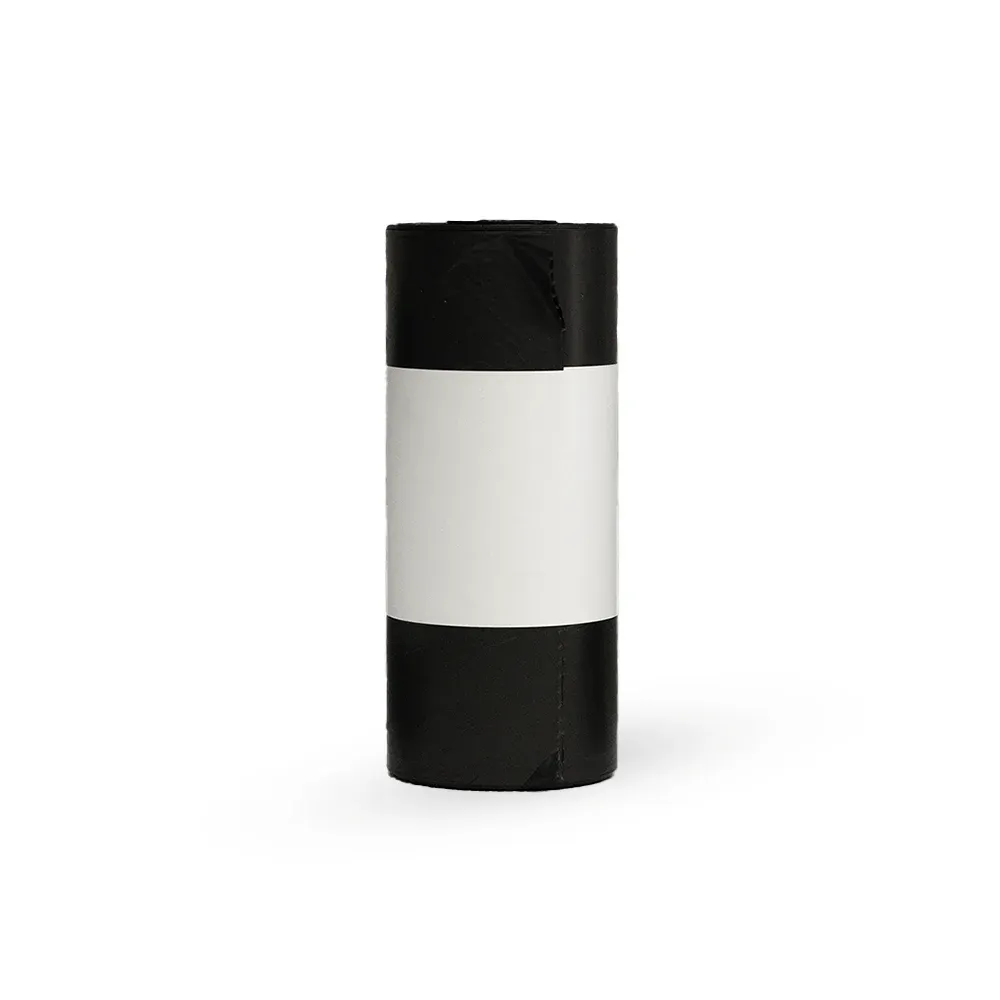
A cleaning team may service dozens of waste containers during a single shift. Some bins hold lightweight office rubbish, while others contain food packaging, damp paper towels and heavier general waste. Using unsuitable liners can increase cleaning time and create avoidable handling problems.
For commercial cleaning businesses, selecting the correct bin bags is an operational decision. Bag capacity, material strength, ease of removal and purchasing consistency all affect how efficiently waste is collected.
For medium-to-large workplace containers, 72l bin liners may be suitable for certain commercial cleaning applications. Understanding how to evaluate different liner options can help cleaning contractors and facility managers make better purchasing decisions.
Why Commercial Cleaning Requires Different Bin Liners
Commercial buildings generate varied waste depending on their activities, occupancy and cleaning schedules.
A corporate office may produce mostly paper and packaging, while a hospitality venue might generate food-contaminated rubbish.
Similarly, a shopping centre bathroom has different disposal requirements from a warehouse staff room.
This variation means commercial cleaning teams should not automatically use one liner specification for every location.
Understanding Workplace Waste Categories
Before ordering commercial bin liners, identify the types of rubbish collected.
Common categories include:
-
Light general waste, including paper and wrappers.
-
Mixed office waste from shared spaces.
-
Damp rubbish from washrooms.
-
Food-contaminated waste from staff facilities.
-
Bulkier packaging materials from commercial operations.
Each category can place different demands on the bag.
A liner that performs adequately with dry office rubbish may be unsuitable for heavier or wetter materials.
How to Select the Right Bin Capacity
Matching bag capacity to bin size is one of the most important steps in commercial waste management.
An oversized bag may waste material, while an undersized liner can slip inside the container or split during removal.
When Are 72-Litre Liners Appropriate?
A 72-litre liner may suit selected medium-to-large indoor waste bins, depending on container dimensions.
Potential applications include shared office disposal points, washroom waste containers and general rubbish stations in commercial facilities.
Check the Actual Container Measurements
Bin capacity alone does not confirm compatibility.
Measure the container opening, height and shape, then compare these dimensions with the liner specifications.
Allow enough additional material to fold over the rim and remove the bag without excessive stretching.
A liner should also reach the bottom so the waste load is supported appropriately.
Choosing the Correct Material Strength
Bag thickness is often a major consideration for cleaning contractors.
However, thickness should not be evaluated independently of material composition, construction and intended use.
General Purpose, Heavy Duty and Extra Heavy Duty
Commercial liner ranges may offer different strength grades to suit varying waste loads.
General-purpose options may be appropriate for lightweight rubbish, while heavier grades may be more suitable for demanding general waste applications.
Businesses purchasing 72l bin liners should compare available strength grades based on actual operating conditions.
A suitable product should be selected according to waste characteristics rather than simply assuming the thickest option is always necessary.
Avoid Overloading Waste Bags
Even strong liners have practical limitations.
Cleaning staff should avoid compressing rubbish aggressively or lifting excessively heavy bags.
Where waste includes sharp or hazardous materials, appropriate specialist disposal containers and procedures are necessary.
How Bin Liners Affect Cleaning Efficiency
Small differences in bag performance can become significant across a large commercial property.
For example, a cleaning contractor servicing multiple office floors may replace dozens of liners each day.
If bags repeatedly slip into bins, tear during collection or require awkward handling, the cleaning process becomes less efficient.
Standardising Bin Sizes Across Facilities
Where practical, businesses can reduce the number of liner sizes needed by standardising compatible waste containers.
This approach may help with:
-
Simplifying stock control.
-
Reducing purchasing errors.
-
Making cleaning trolley preparation easier.
-
Maintaining consistent replacement procedures.
-
Limiting unnecessary product variation.
However, standardisation should not override the needs of individual waste collection areas.
When Should Businesses Use Larger Bin Bags?
Not every waste station requires the same capacity.
large bin bags may be useful where rubbish volumes are higher or waste containers have larger dimensions.
Before increasing bag size, consider whether collection frequency could be adjusted instead.
Compare Waste Volume with Cleaning Frequency
A frequently used bin that overflows several times daily may require more regular servicing or a larger container.
A large bin that remains nearly empty throughout the week may be unnecessarily oversized.
Reviewing how waste accumulates can help facilities balance capacity, hygiene and consumable usage.
For cleaning contractors, accurate consumption records are also useful when preparing supply estimates and planning recurring orders.
Why Choose Turnstone Products for Commercial Cleaning Supplies?
Commercial cleaning businesses often need multiple bin liner sizes to service different facilities.
Turnstone Products offers waste-management consumables suited to various commercial requirements, including liners for larger indoor containers.
Businesses can assess products according to capacity, material grade and anticipated usage.
For Perth cleaning contractors and facility managers, sourcing commercial bin liners through a business-focused supplier can help simplify recurring consumable purchasing.
About Us – Turnstone Products
Turnstone Products is a Perth-based supplier of commercial cleaning products and workplace consumables.
Its range supports businesses across industries that require regular cleaning and waste-management supplies.
Products include different bin liner capacities and strength options for general commercial applications.
Turnstone Products focuses on supplying practical consumables for businesses managing everyday workplace hygiene and cleaning requirements.
Conclusion
Selecting bin liners for commercial cleaning requires an understanding of the workplace, rubbish characteristics and cleaning procedures.
A well-fitted liner with appropriate material strength can reduce unnecessary handling problems and support more efficient waste collection.
Businesses considering 72l bin liners or other large bin bags should review container measurements, expected loads and replacement frequency before purchasing.
Making decisions based on actual waste conditions can improve operational consistency and help avoid unnecessary consumable costs.
Related Reading
Expert Insights: Navigating the Complex World of Home Improvement
Welcome to our in-depth exploration of Home Improvement. In an era defined by ra...
Why Home Improvement is Transforming the Global Industry Landscape
Welcome to our in-depth exploration of Home Improvement. In an era defined by ra...