How to Choose a Water Softener for Flats and Modern Homes
By vinnu kumar
20 Views
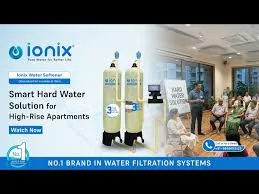
Hard water can create everyday challenges for homeowners and apartment residents. Mineral deposits on taps, showerheads, bathroom tiles, and kitchen fittings can make cleaning more difficult. Over time, scale may also accumulate in plumbing systems and water-using appliances.
Choosing the right water treatment system depends on your water source, household consumption, available installation space, and the level of hardness. For apartment residents and families, understanding the different types of water softeners can help in making a practical choice.
Why Do Flats and Apartments Need Water Softening?
Apartment buildings often receive water from municipal supplies, borewells, or water tankers. The mineral content can vary depending on the source and local conditions. When water contains elevated levels of calcium and magnesium, it can contribute to scale formation and leave marks on bathroom and kitchen surfaces.
A suitable water softener for flats can help address hardness-related concerns. Before selecting a system, consider whether you need treatment for the entire apartment or only specific outlets, such as a shower or bathroom.
You should also check the building's plumbing arrangements and any restrictions on installing equipment. In apartments with a shared water supply, permission from the housing society or maintenance team may be necessary.
Explore the water softeners for flats and apartments from Ionix Filters to learn about available options for residential use.
Factors to Consider Before Buying a Water Softener
Selecting a water softener requires more than comparing product prices. The system should match the water quality and the household's daily requirements.
Consider these factors before making a purchase:
-
Water hardness: Test your water to understand the level of dissolved hardness minerals.
-
Daily consumption: Estimate how much water your household uses.
-
Installation space: Check the available area near the water inlet or storage tank.
-
Flow rate: Ensure that the system can supply enough treated water during peak usage.
-
Maintenance: Review servicing requirements and ongoing operating costs.
-
Installation compatibility: Confirm that the system suits your existing plumbing arrangement.
These considerations are especially important in apartments, where space and plumbing access may be limited.
Understanding Stainless Steel Water Softeners
The construction material of a water treatment system is another factor worth considering. A stainless steel water softener may appeal to homeowners who prefer a metal tank design for their residential water treatment setup.
Stainless steel grades and construction quality can influence corrosion resistance and durability. For this reason, it is useful to check the material grade, product specifications, installation requirements, and manufacturer's maintenance recommendations before choosing a model.
However, the outer tank material alone does not determine softening performance. The treatment technology, system capacity, and suitability for the incoming water are equally important.
Exploring the Ionix Stainless Steel Combo System
Homeowners comparing stainless steel water treatment options can review the Ionix Stainless Steel Combo 3-Stage Tank Filter and Automatic Water Softener.
The product listing provides details about its stainless steel SS-304 construction and three-stage tank filtration design. Before deciding, review the complete specifications to understand the filtration stages, softening mechanism, capacity, and maintenance requirements.
It is also important to verify whether the system is suitable for your particular water source and the number of people using the supply.
Water Softening and Regular Maintenance
Water softeners are designed primarily to reduce hardness minerals. Depending on the technology, the system may require regeneration, servicing, or replacement of certain components. Follow the manufacturer's instructions to maintain the equipment properly.
Water softening should not be confused with complete water purification. A softener does not automatically remove every possible contaminant, so additional treatment may be needed if the water is intended for drinking.
Testing the water before installation and checking it periodically can help you understand whether the chosen system is meeting your requirements.
Conclusion
Choosing a water softener for a flat or apartment begins with understanding your water quality, daily usage, and installation conditions. Comparing the treatment technology, system capacity, construction material, and maintenance requirements can help you make an informed decision.
Whether you are considering an apartment-specific system or a stainless steel model, review the product details carefully and select equipment suited to your household's needs. A properly selected water treatment system can help manage hard water concerns and make everyday home maintenance more convenient.
Related Reading
Top 10 Hidden Secrets About Business & Finance You Need to Know
Welcome to our in-depth exploration of Business & Finance. In an era defined...
Why Business & Finance is Transforming the Global Industry Landscape
Welcome to our in-depth exploration of Business & Finance. In an era defined...