How to Build a Weight Loss Meal Plan You Can Actually Follow
By Kane
29 Views
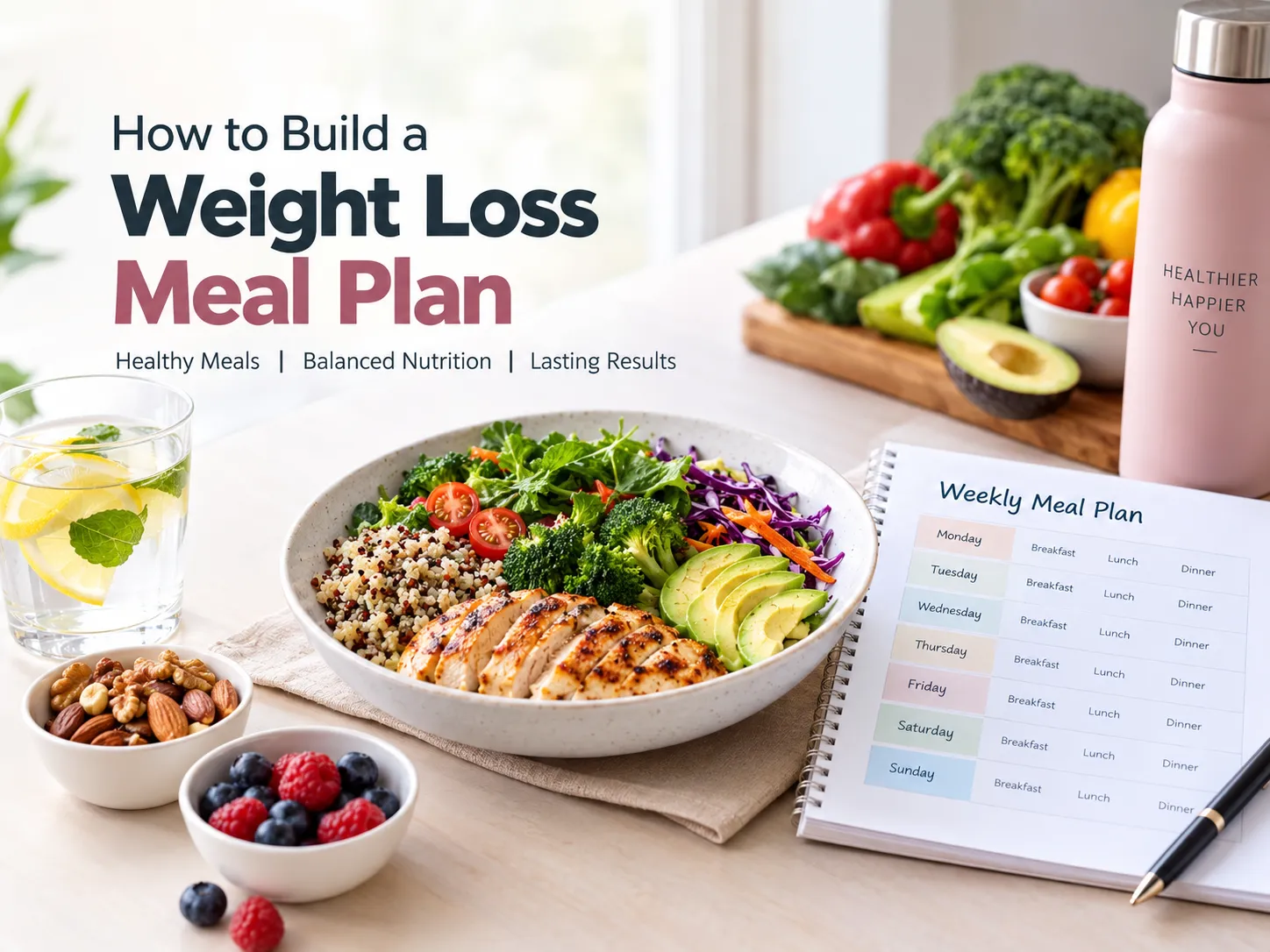
Losing weight isn't only about eating less. The bigger challenge is creating a way of eating that gives your body the nutrients it needs while helping you manage portions, hunger, and daily calories. A practical Weight Loss Meal Plan can make this process easier by giving your meals structure without making healthy eating feel restrictive.
A good plan should fit your lifestyle, food preferences, schedule, and nutritional needs. Instead of relying on extreme diets or skipping meals, focus on balanced choices that you can continue for weeks and months.
What Makes a Weight Loss Meal Plan Effective?
An effective meal plan should help you maintain a reasonable calorie deficit while providing enough protein, fiber, vitamins, minerals, and healthy fats. The goal isn't to remove entire food groups without a reason. It's to create meals that are satisfying and nutritionally balanced.
A simple plate can include:
- Lean protein such as chicken, fish, eggs, beans, or lentils
- Plenty of vegetables
- A moderate serving of whole grains or other carbohydrate sources
- A small portion of healthy fats
- Water or another low-calorie beverage
This approach can help you build balanced meals without having to calculate every ingredient.
Start With Your Daily Routine
One common reason people struggle with healthy eating is that their meal plan doesn't match their lifestyle. Someone with a busy work schedule may need quick breakfasts and prepared lunches, while someone who works from home may have more flexibility.
Before creating a plan, consider when you normally wake up, work, exercise, and sleep. Then decide how many meals and snacks realistically fit into your day.
Planning around your routine can reduce last-minute food choices and make it easier to stay consistent.
Include Protein in Your Main Meals
Protein is an important part of a balanced eating pattern. It helps support muscle maintenance and can make meals more satisfying.
Good options include grilled chicken, fish, lean meat, eggs, Greek yogurt, cottage cheese, lentils, chickpeas, beans, and tofu.
For example, instead of having a meal based mainly on refined carbohydrates, you could combine a lean protein source with vegetables and a moderate portion of rice or whole grains.
If you're exercising regularly, your overall protein needs may differ from someone who is less active, so your meal plan should take your activity level into account.
Choose High-Fiber Foods
Fiber-rich foods can add volume and texture to meals while supporting digestive health. Vegetables, fruits, legumes, whole grains, nuts, and seeds are useful sources.
Try adding vegetables to lunch and dinner rather than treating them as an optional side. Fresh fruit can also be a convenient alternative to highly processed sweet snacks.
A meal containing protein, fiber, and minimally processed carbohydrates can often be more satisfying than a meal dominated by refined foods.
Pay Attention to Portions
Even nutritious foods can contribute significant calories when portions become too large. Portion awareness is therefore an important part of sustainable weight management.
You don't necessarily need to weigh every meal. Start by learning what reasonable serving sizes look like and pay attention to hunger and fullness.
Using smaller plates, measuring calorie-dense ingredients such as oils and spreads, and serving food before sitting down to eat can make portions easier to manage.
Build a Simple Weekly Diet Plan
A diet plan doesn't need to contain seven completely different breakfasts, lunches, and dinners. Repeating a few convenient meals can actually make healthy eating easier.
For example, you could prepare several portions of grilled chicken, roasted vegetables, and whole grains at the beginning of the week. Different herbs, spices, sauces, or salad combinations can then create variety without requiring completely new recipes every day.
A simple weekly structure might look like:
Breakfast: Eggs with whole-grain toast and fruit
Lunch: Grilled chicken, mixed vegetables, and brown rice
Snack: Greek yogurt with berries
Dinner: Baked fish, vegetables, and a small serving of potatoes
The exact foods and portions should be adjusted according to individual nutritional requirements and preferences.
Don't Ignore Healthy Fats
Healthy fats can be part of a balanced weight-management diet. Foods such as avocado, nuts, seeds, olive oil, and fatty fish provide important nutrients.
However, fats are relatively calorie-dense, so portion size matters. Adding large amounts of oil, dressing, cheese, or nuts to otherwise healthy meals can significantly increase total calorie intake.
The goal isn't to eliminate fat but to use appropriate portions.
Plan for Snacks and Cravings
Trying to avoid every snack or craving can make a meal plan difficult to maintain. Instead, prepare healthier options before hunger becomes intense.
Fruit, yogurt, boiled eggs, vegetables with hummus, or a small serving of nuts can work as convenient choices depending on your nutritional needs.
It's also useful to distinguish between physical hunger and eating triggered by boredom, stress, or habit. Keeping a simple food journal for a few days may help identify patterns.
Make Your Meal Plan Flexible
A sustainable approach should leave room for real life. Birthdays, restaurant meals, travel, and busy days are normal. One meal that doesn't match your plan doesn't erase your progress.
Instead of trying to compensate by skipping meals the next day, return to your normal eating routine. Consistency over time matters more than achieving perfection every day.
Common Mistakes to Avoid
Several mistakes can make weight-loss eating unnecessarily difficult.
Cutting calories too aggressively: Very restrictive eating can be difficult to sustain and may leave you feeling tired or hungry.
Skipping protein: Meals without a reliable protein source may be less satisfying.
Depending heavily on processed foods: Many packaged foods are convenient but can make it harder to control portions and overall nutritional quality.
Ignoring beverages: Sugary drinks, specialty coffees, and other calorie-containing beverages can add calories without making you feel as full as solid food.
Creating an unrealistic schedule: A plan that requires complicated cooking every day may quickly become difficult to follow.
Focus on Progress, Not Perfection
A successful meal plan should make healthy choices easier, not make your entire day revolve around food. Start with a few manageable changes, such as adding more vegetables, improving protein intake, reducing frequent high-calorie snacks, and preparing meals ahead of time.
Your calorie needs, activity level, age, body size, and health circumstances can all influence an appropriate eating pattern. If you have a medical condition or specific nutritional needs, consider working with a qualified healthcare or nutrition professional before making major dietary changes.
The best approach is one you can follow consistently. When balanced meals, sensible portions, regular movement, adequate sleep, and realistic habits work together, weight management becomes less about short-term restriction and more about building a routine that can last.