How to Budget for an HVAC Upgrade Without Blowing Your Renovation Plan
By john mark
84 Views
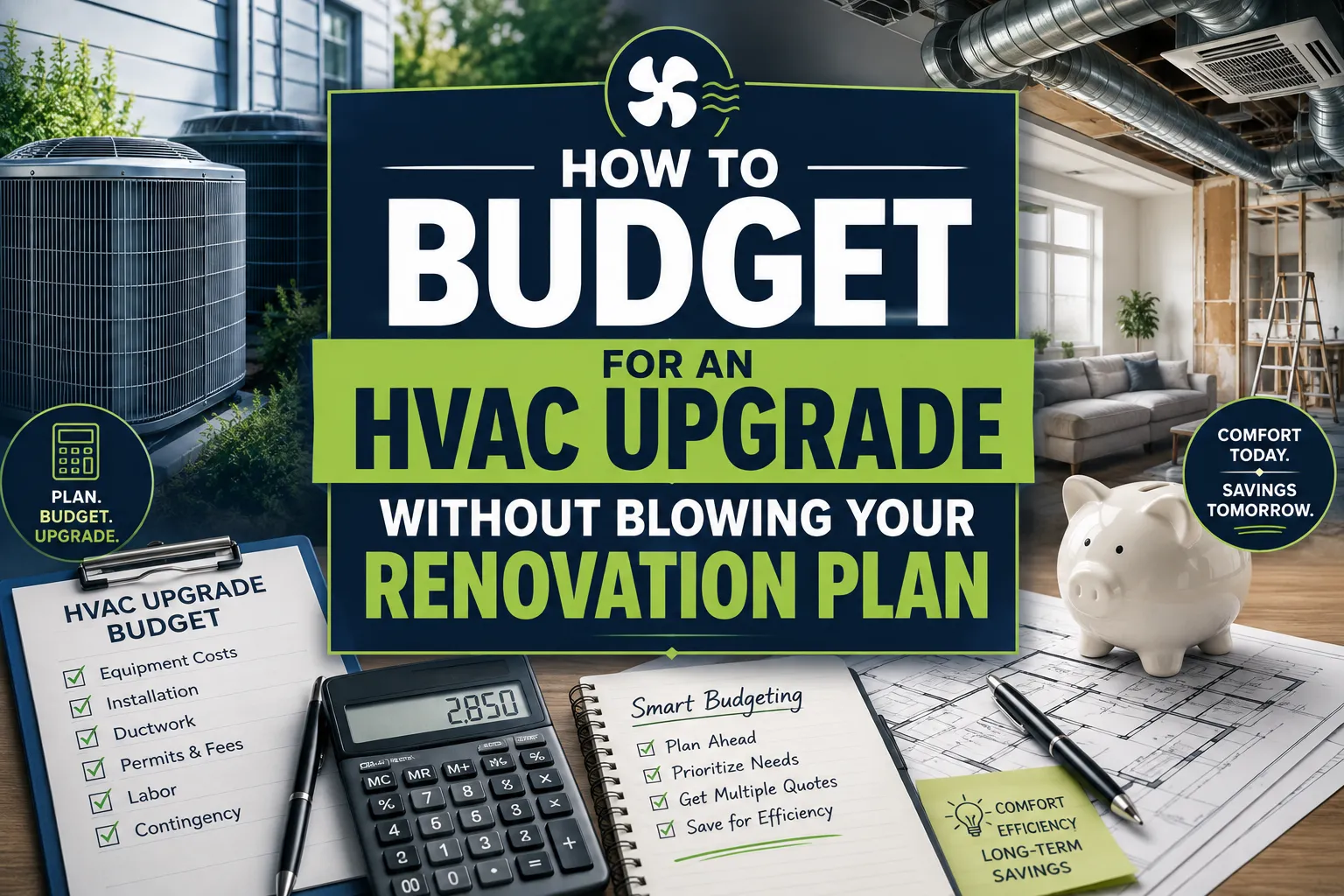
Anyone who has managed a renovation project knows the moment: the HVAC line item comes back from the contractor, and the number is bigger than expected. Heating and cooling upgrades tend to get pushed to the end of the planning process, which is exactly why they end up causing the most budget stress. A little groundwork early on can save thousands later, and it starts with understanding what actually drives the cost of a new system.
Why HVAC Budgeting Gets Overlooked
Most homeowners and even some contractors treat HVAC as a fixed cost, something you get a quote for and move on. In reality, the price swings widely depending on the type of system, the condition of the building, and how the work is sequenced against other trades. A kitchen remodel or an addition can quietly change your HVAC needs, and if that isn't priced in from the start, it becomes a change order later, usually at a worse rate than if it had been planned up front.
The Hidden Cost Driver: Existing Infrastructure
The single biggest factor in an HVAC budget isn't the equipment itself, it's whether the building already has the infrastructure to support it. A home with functioning ductwork can often add or replace a system in a day or two. A home without it is looking at weeks of additional labor, wall or ceiling work, and a much larger invoice. This is one of the reasons two houses of the same size can have wildly different HVAC quotes.
Matching the System to the Building, Not the Trend
There's a lot of noise online about which HVAC technology is "best," but the honest answer is that it depends entirely on the structure you're working with. Ducted systems make sense where ductwork already exists or where whole-building temperature control from a single thermostat is a priority. Ductless approaches make more sense in additions, converted spaces, or older buildings where running new ductwork would mean tearing into finished walls.
If you're trying to understand the practical trade-offs between these two approaches, installation timelines, efficiency ratings, and long-term maintenance, this detailed heat pump vs mini split comparison breaks down the differences in a way that's genuinely useful for anyone deciding between the two before they commit to a contractor's quote.
Why This Comparison Matters Before You Get Quotes
Walking into a contractor conversation already understanding the basic distinction between these systems changes the conversation. You're able to ask sharper questions, push back on unnecessary upsells, and recognize when a quote includes work that may not actually be required for your building type.
Building a Realistic HVAC Budget: A Practical Framework
1. Get the Building Assessed First
Before pricing equipment, have someone evaluate whether your existing ductwork (if any) is usable, undersized, or leaking. This single step prevents the most common budgeting surprise: discovering mid-project that the ducts need replacing too.
2. Separate Equipment Cost from Labor Cost
Equipment pricing is relatively predictable and easy to research. Labor is where estimates diverge the most, especially if the job involves opening walls, running new electrical circuits, or coordinating with other trades on a renovation timeline. Ask for these as separate line items so you can see where the real cost is coming from.
3. Factor in Zoning Needs
If different rooms in your home have different comfort needs, a home office that runs hot, a basement that stays cold, decide early whether you want zoned control. Adding zoning after installation is almost always more expensive than designing it from the start.
4. Account for Long-Term Maintenance
A cheaper system upfront can cost more over a decade if it requires more frequent servicing or has a shorter expected lifespan. Ask any contractor for both the installation quote and a realistic estimate of annual maintenance costs before comparing two options side by side.
5. Build In a Contingency
Older buildings especially tend to reveal surprises once walls are opened with knob-and-tube wiring, insulation gaps, or structural quirks that affect installation. A contingency of 10–15% on top of the initial HVAC quote is a reasonable buffer for most renovation projects.
Working With Professional Estimators
For larger renovations or new construction, getting a professional cost estimate before finalizing HVAC decisions is one of the more underused tools available to homeowners and contractors alike. A detailed, itemized estimate covering equipment, ductwork, electrical tie-ins, and labor gives you a document you can actually negotiate against, rather than a single lump-sum number you have to trust blindly.
This is particularly valuable on projects where HVAC work overlaps with other trades. Timing the HVAC rough-in incorrectly against drywall, insulation, or electrical work is a common and expensive mistake on renovation timelines, and a proper estimate helps sequence the project so trades aren't working against each other.
Final Thoughts
HVAC decisions don't have to be a source of budget anxiety if they're planned early and researched properly. Understanding the fundamental differences between system types, getting your building assessed honestly, and separating equipment from labor costs will put you in a far stronger position when quotes start coming in. The goal isn't to find the cheapest system, it's to find the right system for your building, priced accurately, with no surprises waiting for you halfway through the project.