How to Add Shirataki Noodles to a Low-Carb or Keto Diet
16 Views
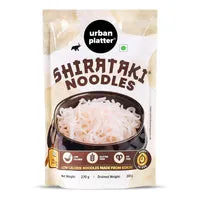
Following a low-carb or keto diet often involves finding alternatives to traditional carbohydrate-rich foods. Pasta and noodles are popular meal choices, but conventional varieties can contain a significant amount of carbohydrates. For people looking to reduce their carbohydrate intake, Shirataki Noodles can be an interesting alternative that works well with a variety of sauces, vegetables, and protein sources.
Made primarily from the glucomannan fiber found in the konjac plant, Shirataki Noodles are known for their low carbohydrate and calorie content. Their neutral flavor also makes them adaptable to different cuisines and recipes. With the right preparation and ingredients, they can be incorporated into a low-carb or keto-friendly meal plan without giving up the convenience of noodle-based dishes.
What Are Shirataki Noodles?
Shirataki Noodles are traditionally made from konjac, a plant native to parts of Asia. The noodles contain glucomannan, a type of soluble fiber, and are commonly sold packaged in water.
They are often used as an alternative to traditional noodles because they typically contain very few digestible carbohydrates. However, nutritional values can vary between products, so checking the product label is always important.
Their mild flavor allows them to absorb the flavors of sauces, seasonings, and other ingredients used in a recipe.
Why Are They Popular for Low-Carb Diets?
Traditional wheat noodles can contribute a considerable amount of carbohydrates to a meal. Shirataki Noodles, on the other hand, are generally much lower in carbohydrates and calories.
This makes them appealing to people who are trying to create meals around:
- Lower carbohydrate intake
- High-fiber ingredients
- Vegetables
- Lean proteins
- Healthy fats
For those following a strict keto diet, it is still important to check the nutrition label and account for total and net carbohydrates according to the approach they follow.
How to Prepare Shirataki Noodles
Proper preparation is one of the most important steps. Shirataki Noodles can have a distinctive smell when first removed from their packaging. This can usually be reduced through thorough rinsing and cooking.
A simple preparation method includes:
- Open the package and drain the liquid.
- Rinse the noodles thoroughly under running water.
- Boil them briefly if recommended by the product instructions.
- Drain them well.
- Place them in a dry pan for a few minutes to remove excess moisture.
- Add your preferred sauce, vegetables, or protein.
Drying the noodles in a pan is particularly useful because they can retain considerable moisture. Removing some of that moisture allows sauces to coat the noodles more effectively.
Pair Them With Low-Carb Sauces
The noodles themselves are only one part of a meal. The sauce and other ingredients can significantly change the nutritional profile of the dish.
For a low-carb or keto-friendly meal, consider sauces based on ingredients such as:
- Unsweetened coconut milk
- Olive oil
- Butter
- Cream
- Cheese
- Herbs
- Garlic
- Low-sugar tomato preparations
Be careful with packaged sauces because some may contain added sugar or other carbohydrate-rich ingredients. Reading nutrition labels can help you choose an option that fits your dietary goals.
Add Protein for a Balanced Meal
Adding protein can turn Shirataki Noodles into a more satisfying meal. Depending on dietary preferences, options can include chicken, eggs, fish, tofu, paneer, or other suitable protein sources.
For example, you could prepare:
Chicken Shirataki Stir-Fry
Combine noodles with sliced chicken, mushrooms, bell peppers, cabbage, and a low-sugar stir-fry sauce.
Egg and Vegetable Noodles
Add scrambled or sliced eggs along with spinach, mushrooms, and seasonings for a quick meal.
Tofu Noodle Bowl
Combine tofu with leafy greens, mushrooms, sesame seeds, and a suitable low-carb dressing.
These combinations allow you to create different meals without relying on traditional noodles.
Add Low-Carb Vegetables
Vegetables can provide color, texture, and variety to noodle dishes. Many non-starchy vegetables can fit into a low-carb meal plan depending on individual carbohydrate targets.
Good options include:
- Spinach
- Broccoli
- Mushrooms
- Cabbage
- Zucchini
- Bell peppers
- Bok choy
- Cauliflower
Instead of using noodles as the only ingredient, combining them with vegetables can create a more varied and satisfying meal.
Try Different Cuisines
One advantage of Shirataki Noodles is their ability to take on the flavors of different cuisines.
For an Asian-inspired dish, try ginger, garlic, sesame oil, soy sauce, or another suitable low-carb seasoning.
For an Italian-inspired version, combine the noodles with a low-sugar tomato sauce, herbs, cheese, and vegetables.
You can also experiment with creamy sauces, spicy preparations, or simple garlic-and-oil combinations.
Common Mistakes to Avoid
While Shirataki Noodles are easy to use, a few preparation mistakes can affect the final dish.
Not Rinsing Properly
Skipping the rinsing step can leave behind the distinctive packaging aroma.
Adding Sauce Too Quickly
Because the noodles contain a lot of moisture, adding sauce before draining and drying them can result in a watery dish.
Expecting Traditional Noodle Texture
Shirataki Noodles have a different texture from wheat or egg noodles. They are somewhat chewy and may require some adjustment for people trying them for the first time.
Choosing High-Carb Toppings
A low-carb noodle can become a high-carbohydrate meal if combined with sugary sauces or carbohydrate-heavy toppings. Check the ingredients and nutrition information of everything added to the dish.
Portion and Digestive Considerations
Because Shirataki Noodles contain glucomannan fiber, consuming a large amount suddenly may cause digestive discomfort for some people. Possible effects can include bloating, gas, or changes in bowel habits.
If you are not accustomed to high-fiber foods, introducing them gradually and drinking adequate fluids may be more comfortable.
People with digestive conditions or those taking medications should seek appropriate professional advice if they have concerns about adding high-fiber foods to their diet.
How to Make Shirataki Noodles More Enjoyable
The key to enjoying Shirataki Noodles is to focus on the entire dish rather than expecting them to taste exactly like conventional pasta.
Use flavorful ingredients such as:
- Fresh herbs
- Garlic
- Ginger
- Chili
- Sesame seeds
- Cheese
- Spices
- Low-carb sauces
A combination of contrasting textures can also improve the meal. Crunchy vegetables, tender protein, and chewy noodles can create a more interesting eating experience.
Final Thoughts
Adding Shirataki Noodles to a low-carb or keto diet can be a practical way to enjoy noodle-based meals while keeping carbohydrate intake relatively low. Made from konjac-based glucomannan fiber, these noodles have a mild flavor and can work with many different sauces, vegetables, and protein sources.
Proper preparation is essential. Thoroughly rinse and drain the noodles, remove excess moisture, and then combine them with flavorful ingredients. Checking nutrition labels is also important, particularly for people following a strict keto diet.
With some experimentation, Shirataki Noodles can become a versatile ingredient for stir-fries, noodle bowls, creamy dishes, and other low-carb recipes. As with any dietary change, individual nutritional needs and tolerances should be considered.
Frequently Asked Questions (FAQs)
1. Are Shirataki Noodles suitable for a keto diet?
Shirataki Noodles are generally low in digestible carbohydrates and are therefore commonly used in low-carb and keto-style meals. However, nutritional values vary by product, so check the label and account for carbohydrates according to your dietary plan.
2. How should I prepare Shirataki Noodles before cooking?
Drain and rinse the noodles thoroughly. Depending on the product instructions, you can briefly boil them and then dry them in a pan to remove excess moisture before adding sauces or other ingredients.
3. Do Shirataki Noodles taste like regular noodles?
They have a mild flavor but a noticeably different, chewy texture compared with conventional wheat or egg noodles. Their neutral taste allows them to absorb the flavors of sauces and seasonings.
4. Can I eat Shirataki Noodles every day?
They can be included regularly if they fit your individual dietary needs and you tolerate them well. Because they contain glucomannan fiber, introducing them gradually may help reduce the chance of digestive discomfort.
5. What can I add to Shirataki Noodles for a low-carb meal?
You can combine them with low-carb vegetables, protein sources such as chicken, eggs, fish, tofu, or paneer, and sauces based on ingredients such as olive oil, cheese, herbs, or unsweetened coconut milk.