How the Right Rug Can Transform Your Home
By finian
109 Views
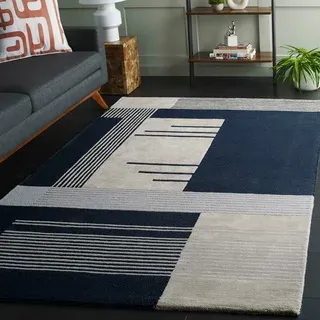
A room can have lovely furniture and fresh paint yet still feel unfinished. Sometimes, the problem is not the sofa, lighting, or wall colour. It is the empty space beneath everything.
The right rug brings separate pieces together. It adds warmth, softens hard flooring, and gives the room a clear centre. Even a plain space can feel more welcoming once the floor has colour and texture.
You also do not need a large decorating budget. Discount Rugs can offer an affordable way to refresh your home without replacing expensive furniture. However, price should not be your only concern. Size, material, colour, placement, and daily use all affect the result.
This guide explains how to choose a rug that looks good and works with your lifestyle. You will also learn which common mistakes can make a room feel smaller or less balanced.
A Rug Does More Than Cover an Empty Floor
A rug works like a frame around your furniture. In a living room, it visually connects the sofa, chairs, and coffee table. Without that connection, each piece may look as though it was placed separately. The room can feel scattered, even when every item is attractive.
Texture makes a difference too. A smooth floor can appear cold, especially in a large room. Adding wool, cotton, or a soft synthetic rug creates contrast. That extra layer makes the space feel warmer without changing the walls or furniture.
Rugs also help control the mood. A faded traditional pattern can make a room feel relaxed and comfortable. Clean geometric lines create a sharper, more modern look. Meanwhile, a natural woven design adds an earthy character. The right choice supports your existing style rather than fighting against it.
There is a practical side as well. Rugs soften footsteps, reduce echo, and protect flooring from scratches. Families with young children may also appreciate having a softer place for playtime. These small improvements change how a room feels during everyday use.
How Affordable Rugs Can Refresh a Room on a Realistic Budget
A home update does not need to involve new floors or costly construction. Affordable rug choices can create a noticeable change for much less money. This makes rugs useful for renters, first-time homeowners, or anyone decorating one room at a time.
Still, an inexpensive price does not automatically mean good value. Check the rug’s fibre, backing, pile height, and edge finishing. A low-priced rug that curls, sheds heavily, or stains easily may need early replacement. Spending slightly more on the right construction can save money later.
Look at where the rug will be used before deciding how much to spend. A formal guest room may not need the same durability as a busy family room. Likewise, a hallway rug faces far more foot traffic than one beside a bed. Matching quality to use is smarter than buying the most expensive option available.
Clearance collections and budget-friendly rugs can include discontinued colours or last season’s patterns. The style may still suit your home perfectly. Instead of chasing a trend, focus on a design you will enjoy for several years.
Find the Size That Makes Your Furniture Feel Connected
Here is where a lot of rooms go wrong. The rug looks beautiful, but it is too small for the furniture arrangement. A tiny rug floating beneath a coffee table can make the entire living area appear cramped.
Before shopping, measure the room and the furniture layout. Painter’s tape is useful for marking the proposed rug edges on the floor. Walk around the taped area, open nearby doors, and check the distance from the walls. This simple test prevents many expensive sizing mistakes.
Living room placement
In a smaller living room, place at least the front legs of the sofa and chairs on the rug. This creates a visual connection while leaving some flooring visible. Avoid choosing a rug that supports only the coffee table.
Larger spaces can handle all furniture legs on the rug. For many medium-sized living rooms, area rugs 8x10 provide enough coverage for a sofa, coffee table, and accent chairs. However, your actual furniture layout matters more than the room’s label.
If you are considering large area rug sizes, leave a consistent border of visible floor around the rug. A border of roughly 12 to 24 inches often looks balanced, though compact rooms may need less.
Bedroom and dining room placement
A bedroom rug should extend beyond the sides of the bed. You want your feet to land on a soft surface when you get up. A narrow rug hidden almost entirely beneath the bed adds cost without much comfort or visual effect.
Dining rugs need extra space around the table. Pull out each chair and measure its position. The chair legs should remain on the rug, even when someone is seated. Otherwise, the legs may catch on the rug’s edge every time guests move.
Match the Rug to the Way You Actually Live
Imagine placing a delicate cream rug in a room where children snack and a muddy dog runs through daily. It may look wonderful for a week. Soon, every mark becomes a source of stress. Your routine should guide the material choice.
Synthetic fibres such as polypropylene and polyester usually resist stains well. They often work in family rooms, playrooms, and other busy areas. Many easy-care floor rugs can be vacuumed regularly and spot-cleaned without special treatment.
Wool feels soft, handles foot traffic well, and can last for years. However, it may shed at first and often costs more. Natural fibres such as jute bring warmth and texture, but rough surfaces and moisture sensitivity may limit where you use them.
Pile height deserves attention too. Low-pile rugs are easier to vacuum and allow furniture to move smoothly. High-pile rugs feel softer but can trap crumbs, dust, and pet hair. A family concerned about maintenance may get more value from durable discounted rugs with a short, dense pile.
Think beyond the first few months. Will you still enjoy caring for the rug after the excitement of redecorating fades? A rug that suits your cleaning habits will remain attractive far longer than one that demands constant attention.
Rug Mistakes That Can Leave a Room Feeling Unfinished
Choosing the wrong size is the most visible problem, but it is not the only one. Some shoppers focus so heavily on colour that they forget scale. A tiny pattern may disappear in a large room, while an oversized design can overwhelm a compact space.
Exact colour matching can also make a room feel flat. Your rug does not need to copy the curtains, sofa, and cushions perfectly. Instead, choose one or two related shades. Slight variation creates a more natural, collected appearance.
Another mistake is ignoring door clearance. A thick rug near an entry door may stop it from opening properly. Furniture can cause similar trouble. Dining chairs, office chairs, and lightweight tables need a stable surface that does not bunch or shift.Skipping the rug pad causes problems as well. A suitable pad reduces movement, adds comfort, and limits wear against the floor. Check that the pad is safe for your flooring type, especially with hardwood, vinyl, or heated floors.Finally, do not buy based only on a close-up product photo. Check full-room images, fibre details, pile height, and customer photographs when available. Patterns and colours can look very different once spread across a large floor.
Simple Styling Ideas That Create a Bigger Visual Change
You do not need professional design experience to style a rug well. Start by deciding what the room lacks. Does it feel cold, crowded, plain, or disconnected? Your answer points towards the right colour and pattern.
Use colour with a clear purpose
A neutral rug gives colourful furniture room to stand out. It can also calm a space that already contains several finishes. Look for texture or a subtle pattern so the floor does not appear dull.Bold rugs work differently. They can become the main feature in a simple room. If the rug includes rust, blue, or green, repeat one shade in a cushion, vase, or piece of art. Small connections make the arrangement feel planned without looking overly matched.Patterns are useful in busy households because they hide minor marks between cleanings. Still, consider the scale. A strong pattern works well with plain furniture, while a quieter design may suit floral curtains or detailed upholstery.
Add texture and define separate zones
Open-plan homes often need visual boundaries. A rug can mark the living area without adding a wall or divider. Position the sofa and chairs around it so the seating zone feels separate from the dining or kitchen space.
For larger seating arrangements, 8x10 rugs for living spaces often create a stronger boundary than smaller alternatives. Measure first, though. The rug should support the furniture grouping rather than sit alone in the middle.
Layering can add character too. A smaller patterned rug over a larger natural-fibre rug creates depth. Make sure both layers lie flat and use a proper pad if movement becomes a concern.
Bring the Whole Room Together With the Right Rug
A successful rug choice is not based on colour alone. Size determines whether furniture feels connected. Material affects cleaning and comfort. Placement shapes the room, while pattern and texture influence its personality.Start with measurements, then consider how the room is used each day. A beautiful rug that creates maintenance worries is rarely a satisfying purchase. The better choice fits your routine, furniture, and long-term budget.Small decisions can create a surprisingly large result. Once the right rug is in place, a previously unfinished room can feel warmer, calmer, and far more intentional.
Related Reading
Expert Insights: Navigating the Complex World of Home Improvement
Welcome to our in-depth exploration of Home Improvement. In an era defined by ra...
Why Home Improvement is Transforming the Global Industry Landscape
Welcome to our in-depth exploration of Home Improvement. In an era defined by ra...