How Sulphate-Free Shampoo Can Support Softer and Smoother Hair
By Zuraiz Khan
46 Views
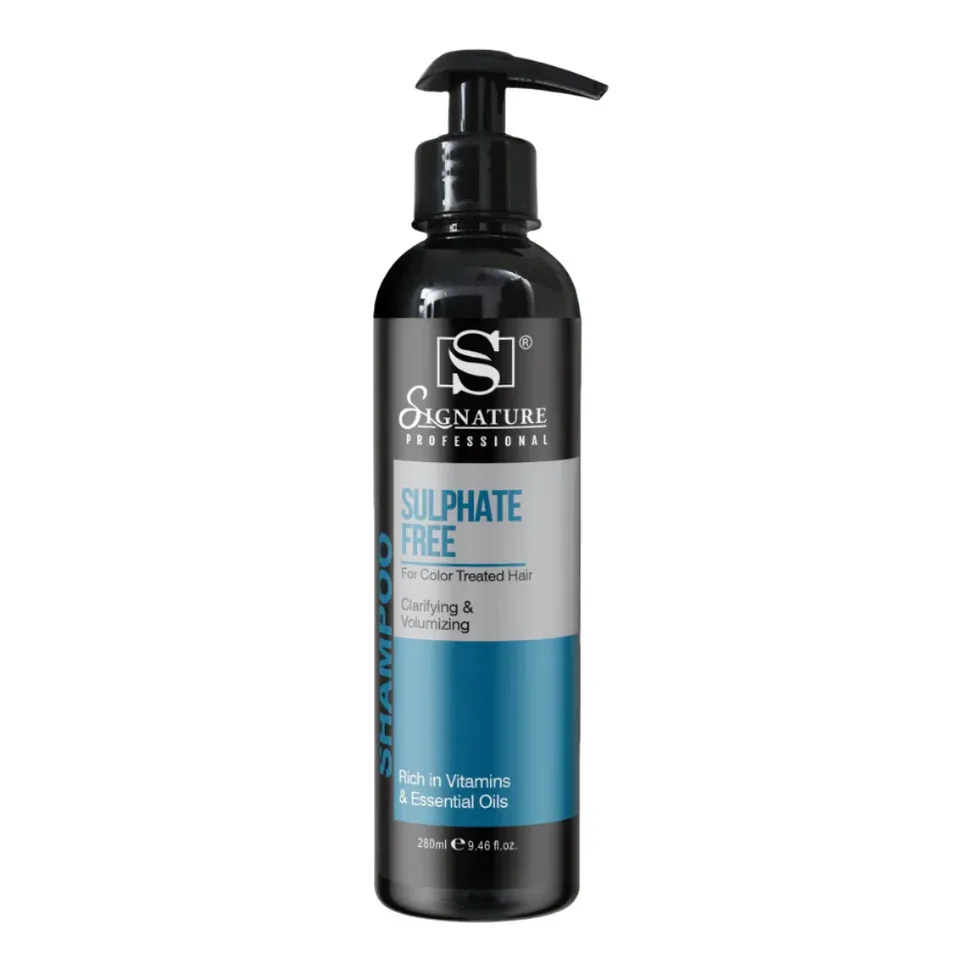
Soft, smooth hair is often associated with good hair care, but achieving that texture is not only about using conditioners or styling products. The type of shampoo used regularly can also influence how the hair and scalp feel. For people experiencing dryness, roughness, frizz, or a tight feeling after washing, switching to a sulphate-free shampoo may be worth considering.
Sulphate-free shampoos are formulated without certain strong cleansing agents commonly used in traditional shampoos. Instead, they use alternative cleansing ingredients designed to remove dirt, excess oil, and product buildup while providing a gentler washing experience. Understanding how these shampoos work can help you decide whether they are suitable for your hair care routine.
What Is Sulphate-Free Shampoo?
Sulphate-free shampoo is a cleansing product formulated without sulphates such as sodium lauryl sulphate (SLS) and sodium laureth sulphate (SLES). These ingredients are commonly used in shampoos because they create a rich lather and effectively remove oil, dirt, and styling residue.
While strong cleansing can be useful for some hair types, frequent exposure to powerful detergents may leave certain hair types feeling dry or rough. Sulphate-free formulas take a different approach by using alternative cleansing agents that can provide effective cleaning with a potentially gentler feel.
However, not every sulphate-free shampoo is identical. The overall formula, conditioning ingredients, fragrance, botanical extracts, and other components can all affect how the product performs on different hair types.
How Can Sulphate-Free Shampoo Support Softer Hair?
Hair softness depends on several factors, including moisture levels, the condition of the outer hair cuticle, chemical treatments, heat exposure, and environmental conditions. A gentler cleansing routine can help support the overall feel of the hair.
1. Helps Reduce Excessive Stripping
One reason hair may feel rough after shampooing is excessive removal of natural oils. Sebum produced by the scalp provides some natural lubrication for the hair and helps prevent excessive dryness.
A sulphate-free shampoo can offer a gentler cleansing experience for people whose hair tends to become dry after washing. By avoiding some stronger sulphate-based cleansers, the formula may help maintain a more comfortable balance between cleansing and moisture.
2. Can Help Hair Feel Less Dry
Dry hair often feels coarse, brittle, or difficult to manage. Although shampoo alone cannot solve every cause of dryness, choosing a less aggressive cleanser can be one part of a moisture-focused routine.
For individuals with naturally dry, curly, textured, or chemically treated hair, a sulphate-free formula may help reduce the dry feeling that can sometimes follow frequent washing.
3. Supports a Smoother Hair Texture
The outer layer of each hair strand is made up of overlapping cuticle cells. When the cuticle is relatively smooth and well-conditioned, hair can feel softer and appear shinier.
A suitable sulphate-free shampoo combined with a moisturizing conditioner can support a smoother-feeling hair surface. This may make the hair easier to comb, style, and manage after washing.
Can Sulphate-Free Shampoo Help With Frizz?
Frizz can occur for several reasons, including humidity, dryness, hair damage, friction, and the natural structure of curly or wavy hair. Shampoo is not the only factor involved, but the cleansing method can influence how dry or manageable the hair feels.
If frequent washing leaves your hair excessively dry, switching to a gentler shampoo may help support better moisture retention. When combined with conditioning products and careful styling practices, this can contribute to hair that looks more controlled and feels smoother.
People with frizz-prone hair should also avoid excessive heat and rough towel drying, as these habits can contribute to mechanical damage and a rougher hair texture.
Is Sulphate-Free Shampoo Suitable for All Hair Types?
Sulphate-free shampoo can be suitable for many hair types, but individual needs vary.
People with dry, curly, wavy, coloured, bleached, or chemically treated hair may particularly appreciate a gentler cleansing routine. These hair types can be more vulnerable to dryness and may benefit from products designed to support moisture and manageability.
On the other hand, people with very oily scalps or significant product buildup may prefer a stronger cleansing routine occasionally. A sulphate-free shampoo can still be useful, but the frequency of washing and the rest of the hair care routine may need to be adjusted.
The best approach is to consider your scalp condition, hair texture, styling habits, and how your hair responds after washing.
How to Get Better Results From a Sulphate-Free Shampoo
Using the right shampoo is only one part of maintaining softer and smoother hair. Your washing technique can also make a difference.
Start by thoroughly wetting the hair before applying shampoo. Use an appropriate amount and focus primarily on the scalp rather than aggressively scrubbing the lengths of the hair. Allow the shampoo to cleanse the scalp as you gently massage it with your fingertips.
Rinse thoroughly and follow with a conditioner suited to your hair type. Conditioner can help improve softness and manageability by providing additional lubrication to the hair strands.
Avoid using very hot water, as excessive heat can contribute to dryness. After washing, gently squeeze excess water from the hair and avoid aggressively rubbing it with a towel.
What Else Can Support Softer and Smoother Hair?
A consistent hair care routine can complement the use of sulphate-free shampoo. Regular conditioning is particularly useful for maintaining a smoother feel. Leave-in conditioners or lightweight hair serums may also help with manageability depending on the individual's hair needs.
Reducing excessive heat styling can also help preserve the condition of the hair. If heat tools are necessary, using an appropriate heat protectant and avoiding unnecessarily high temperatures can help minimize potential damage.
Hair should also be handled gently when wet because wet strands can be more vulnerable to stretching and breakage. Using a wide-tooth comb and working through tangles gradually can reduce unnecessary pulling.
Choosing the Right Sulphate-Free Shampoo
When selecting a sulphate-free shampoo, do not focus only on the absence of sulphates. Look at the complete formulation and consider whether it matches your hair and scalp needs.
For dry hair, moisturizing and conditioning ingredients may be useful. For coloured hair, a gentle cleansing routine may help support the longevity of the colour. For fine hair, a lightweight formula may be preferable so that the hair does not feel weighed down.
It is also important to remember that "sulphate-free" does not automatically mean that every product will work for everyone. Individual ingredients can affect different people differently, so observing how your scalp and hair respond is important.
Conclusion
Softer and smoother hair is usually the result of consistent care rather than a single product. Choosing a gentler cleanser can be an important part of that routine, particularly for people whose hair feels dry, rough, or difficult to manage after regular washing. A sulphate-free shampoo may help provide a gentler cleansing experience while supporting the natural feel and manageability of the hair.
For those exploring suitable hair care options, Signature Professional offers products designed to fit into professional and everyday hair care routines. If you are looking for Sulphate-Free Shampoo in Pakistan, consider your hair type, scalp condition, ingredient preferences, and overall routine before making a choice. With suitable cleansing, regular conditioning, gentle handling, and reduced exposure to damaging styling practices, you can better support hair that feels soft, smooth, and manageable.