How Spice Essential Oil Fits Into a Natural Self-Care Routine
By Miracle Botanicals Essential Oils
10 Views
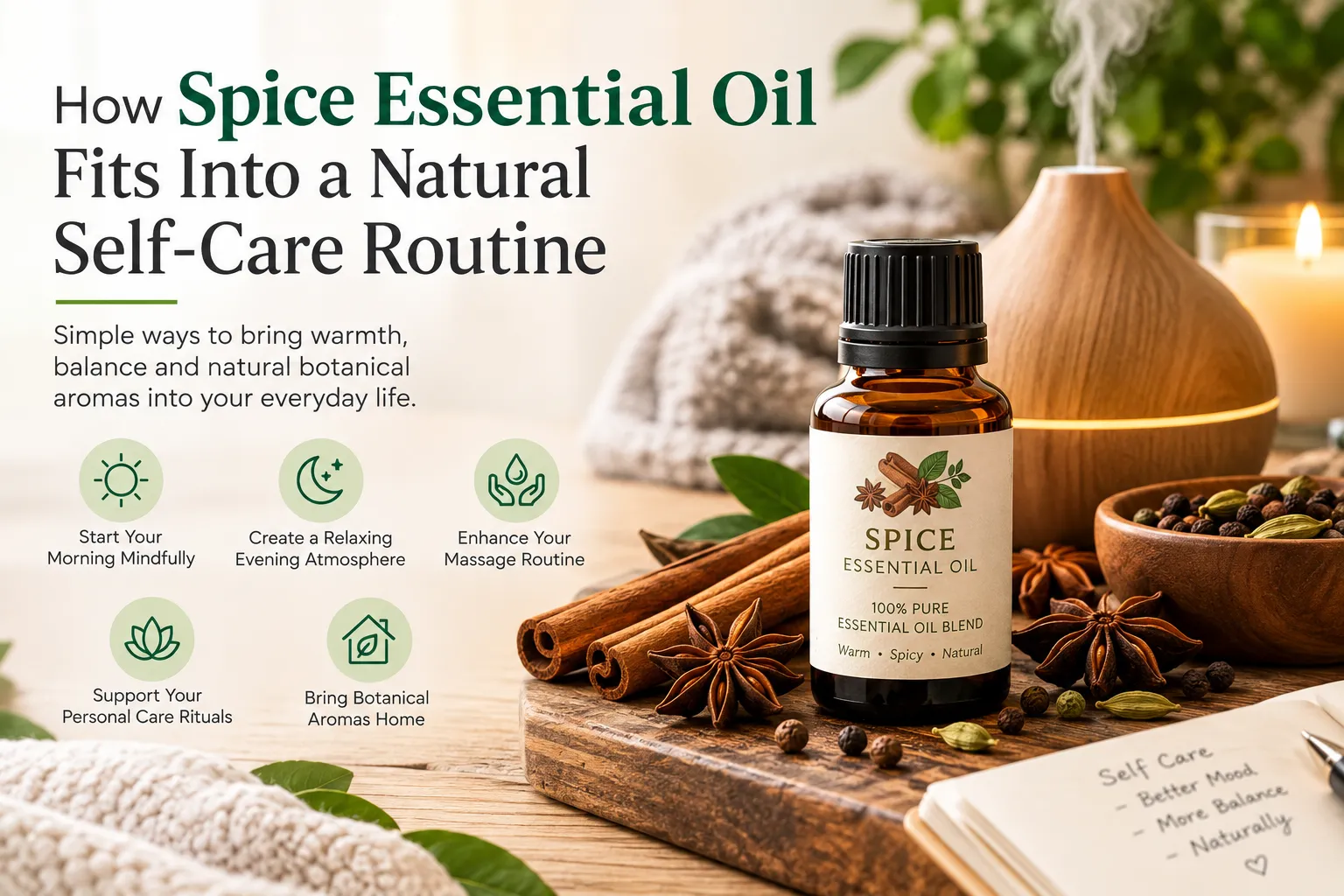
A natural self-care routine does not have to be complicated. Small, consistent habits such as creating a calming environment, enjoying an aromatic bath, practicing mindful breathing, or using botanical ingredients in personal care can make everyday routines feel more intentional. Spice essential oil can be incorporated into these rituals because its distinctive, warm aroma pairs well with relaxation, seasonal routines, massage, and home aromatherapy. For people exploring natural spice oil options, the key is choosing a quality product and using it responsibly.
Understanding the Appeal of Spice-Based Aromatics
Spices have long been associated with warmth, comfort, and inviting fragrances. Their aromatic profiles can range from sweet and warming to fresh, woody, peppery, or intensely rich, depending on the botanical source.
In aromatherapy and personal-care routines, spice oil blends can add depth to an otherwise simple aromatic experience. They can also be combined with softer botanical aromas such as floral, citrus, or wood-derived oils to create a more balanced fragrance profile.
However, every essential oil has its own chemical composition and safety considerations. The fact that an oil comes from a familiar culinary spice does not automatically mean it is suitable for every application. Consumers should always check the product label and follow the manufacturer's instructions.
1. Create a More Intentional Morning Routine
Mornings often determine the pace of the rest of the day. Instead of immediately moving from one task to another, consider creating a short sensory ritual.
A diffuser can be used according to its manufacturer's instructions to introduce a warm botanical aroma into an appropriately ventilated space. Alternatively, you can simply enjoy the aroma from a properly prepared aromatic product.
The purpose is not to create a complicated wellness ritual. Even a few minutes of quiet breathing, stretching, journaling, or planning while enjoying a pleasant scent can make a morning routine feel more deliberate.
When selecting an oil for this purpose, look for clear labeling, botanical identification, sourcing information, and appropriate usage instructions.
2. Add Warmth to Evening Aromatherapy
Evening is another natural opportunity to incorporate aromatic products into self-care. After a busy day, many people prefer fragrances that create a warm and comforting atmosphere.
A carefully selected warming essential oil can be used as part of an evening diffuser routine or incorporated into a properly diluted massage preparation when the specific oil is suitable for topical use.
The aroma itself should be viewed as part of the sensory experience rather than as a medical treatment. A simple routine involving soft lighting, quiet music, stretching, and a pleasant botanical fragrance can create a more relaxing environment.
3. Use It in a Massage Routine
Massage is commonly included in self-care because it combines touch with a calming personal ritual. Certain spice-derived oils can contribute a distinctive aromatic character to massage blends.
Because essential oils are highly concentrated, topical application requires care. A carrier oil can be used to dilute essential oils before they are applied to the skin, and a small patch test can help identify individual sensitivity. Professional aromatherapy guidance also emphasizes dilution and avoiding application to irritated or damaged skin.
Do not assume that every spice-derived oil has the same topical requirements. Some oils may require particularly cautious dilution. Always follow the specific product directions rather than applying an undiluted product directly to the skin.
4. Complement a Personal-Care Ritual
Self-care can also involve simple body-care practices. A carrier oil combined with an appropriate aromatic ingredient can become part of a body massage or moisturizing routine.
For example, someone may create a weekend ritual involving a warm shower, gentle exfoliation, moisturizing, and a short massage. Adding a carefully selected spice aroma for wellness can make the routine feel more distinctive.
When preparing topical blends, remember that more is not necessarily better. Increasing the concentration does not automatically improve the experience and may increase the chance of skin irritation or sensitization.
5. Bring Botanical Aromas Into Your Home
Self-care is not limited to products applied to the body. Your surroundings can influence how a routine feels.
Aromatic diffusion can be incorporated into activities such as reading, meditation, light stretching, or organizing your personal space. A warm, complex fragrance can also work particularly well during autumn and winter-inspired home routines.
If you use a diffuser, follow the manufacturer's directions, use appropriate ventilation, and consider the presence of children, pets, or anyone who may be sensitive to strong aromas.
The goal should be a comfortable sensory environment rather than an overpowering fragrance.
6. Build Balanced Aromatic Blends
One of the most interesting aspects of essential oils is the ability to combine different aromatic families. A spice-derived oil can provide warmth and intensity, while citrus oils may contribute brightness and floral or woody oils can soften the overall profile.
Experimentation should remain conservative. Start with small quantities and understand the individual safety requirements of every oil before combining them.
For consumers interested in spice essential oil blends, product transparency is particularly important. Look for clearly stated ingredients, botanical information, appropriate usage directions, and storage recommendations.
7. Choose Quality Over Marketing Claims
The quality of an essential oil should not be judged solely by words such as "premium," "pure," or "natural." Buyers can make more informed decisions by examining the botanical name, plant part, origin, extraction method, ingredient information, packaging, and available testing documentation.
A recent buyer's guide on ThynkTales explains similar considerations for peppermint oil, including botanical identification, ingredient transparency, extraction information, testing documentation, packaging, supplier transparency, and intended use.
You can read the related resource here: How to Choose High-Quality Peppermint Essential Oil: A Buyer’s Guide
The same general purchasing mindset can be applied when evaluating other botanical oils. Miracle Botanicals Essential Oils focuses on botanical oils and blends while emphasizing sourcing and product quality.
8. Store Your Oil Properly
Good storage is an important part of maintaining an essential oil collection. Keep bottles tightly closed and protect them from excessive heat and direct sunlight. Dark glass packaging is commonly used for essential oils because it helps limit light exposure.
Avoid leaving bottles in locations where temperatures fluctuate significantly, such as near windows or heat-producing appliances.
Proper storage can help preserve the aromatic character and overall condition of the product for longer.
9. Keep Self-Care Simple
A successful self-care routine does not need to contain numerous products. One carefully selected spice botanical oil can be enough to add variety to an established routine.
You might use an aromatic routine once or twice a week, combine it with stretching or meditation, or simply enjoy the fragrance while reading. The most useful routine is one that is practical enough to maintain consistently.
It is also worth remembering that essential oils are not a substitute for medical care. Aromatherapy can be approached as a sensory and lifestyle practice rather than a treatment for medical conditions.
Safety Considerations
Essential oils are concentrated substances, so responsible use matters. Avoid applying them undiluted unless the specific product and professional guidance clearly indicate otherwise. The Alliance of International Aromatherapists does not recommend undiluted topical use and advises appropriate dilution with a carrier oil.
Do not apply essential oils to the eyes, broken or damaged skin, or other sensitive areas. Some oils may also have specific precautions related to children, pregnancy, medications, pets, or particular health conditions.
Internal use should not be assumed to be safe simply because an oil originates from a culinary spice. Follow the manufacturer's instructions and seek qualified professional advice when appropriate.
Final Thoughts
A thoughtful self-care routine is ultimately about consistency, comfort, and choosing practices that fit naturally into everyday life. Spice essential oil can contribute a warm and distinctive aromatic element to routines involving diffusion, massage, personal care, or relaxing home rituals when used appropriately.
Start with quality, understand the product you are purchasing, follow safety directions, and keep the routine simple. With these principles in place, botanical aromas can become a pleasant addition to a broader natural self-care lifestyle.
FAQs
1. What is spice essential oil used for?
It can be incorporated into aromatherapy, personal-care routines, massage blends, and home fragrance rituals, depending on the specific oil and its recommended application.
2. Can spice essential oils be applied directly to the skin?
Not automatically. Essential oils are concentrated, and many require dilution with a suitable carrier oil before topical use. Always follow the specific product's safety instructions.
3. How can I include spice aromas in my daily routine?
You can incorporate them into an appropriately used diffuser, a properly diluted massage blend, or another product specifically formulated for aromatic use.
4. How should spice oils be stored?
Keep the bottle tightly closed and store it away from direct sunlight, excessive heat, and major temperature fluctuations. FolloMiracle Botanicals Essential Oils