How Security Guards Help Prevent Crime in London Businesses
By LeoAlexander
24 Views
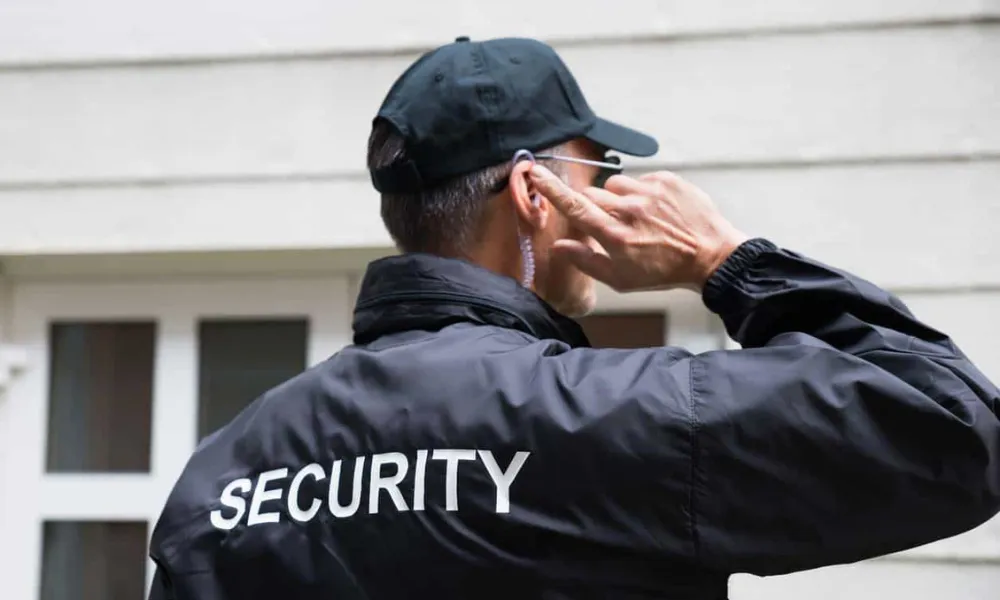
London businesses face a range of security risks, including theft, unauthorised access, vandalism, aggressive behaviour and property damage. The level of risk can vary depending on the type of business, location, opening hours and the nature of the premises. While CCTV, alarms and access-control systems can provide valuable protection, trained security guards can add a visible human presence that helps identify and respond to potential problems.
Security guards can support crime prevention by monitoring premises, controlling access, responding to suspicious activity and helping employees and visitors stay safe. The Security Industry Authority (SIA) recognises visible, alert and professional security as a deterrent that can help prevent or minimise incidents.
Creating a Visible Security Presence
One of the simplest ways security guards can help prevent crime is by creating a visible security presence. A uniformed guard at an entrance, reception area, car park or other strategic location makes it clear that the premises are being monitored. This may discourage opportunistic offenders from attempting theft, vandalism or unauthorised access.
Unlike security equipment that may only be noticed when someone looks for it, a guard can actively observe people and activities around a site. Their presence can also reassure employees, customers and visitors that security is being taken seriously. The SIA describes visible professional security as a deterrent that can help minimise incidents and harm.
Monitoring Premises for Suspicious Activity
Security guards can continuously observe areas where suspicious behaviour may occur. This could include entrances, exits, loading areas, reception spaces, retail floors, offices, warehouses or external areas. Regular observation can help identify unusual activity before it develops into a more serious incident.
Guards can also respond to changes in circumstances throughout the day. For example, they may notice someone attempting to enter a restricted area, behaving suspiciously near valuable equipment or repeatedly approaching an access point. Early recognition gives businesses an opportunity to investigate and respond before a situation escalates.
Controlling Access to Business Premises
Unauthorised access can create opportunities for theft, damage and other offences. Security guards can help control who enters and leaves a building by checking identification, monitoring visitor arrangements and directing people towards appropriate access points.
Access control can be particularly important for offices, warehouses, construction sites and commercial properties containing valuable equipment or sensitive information. Under SIA guidance, security guarding can include guarding premises against unauthorised access and property against damage or theft when the activity falls within the relevant licensing requirements.
Protecting Employees and Visitors
Crime prevention is not limited to protecting physical property. Businesses also need to consider the safety of employees, customers, contractors and visitors. Security guards can provide an additional point of support when staff encounter threatening, aggressive or suspicious behaviour.
The Health and Safety Executive advises employers to use appropriate controls to reduce the risk of workplace violence and aggression. Its guidance identifies trained security personnel, CCTV, alarms, suitable lighting and other measures as potential controls, while emphasising that businesses should use measures appropriate to their individual risks.
Responding Quickly to Security Incidents
A security guard can respond to an incident as it develops rather than relying solely on a system alert. Depending on their role and the business's procedures, they may investigate suspicious activity, alert management, secure an area, assist people in moving away from danger or contact emergency services when necessary.
Fast reporting can also help limit the impact of an incident. A guard may record important details such as the location, time, people involved and events leading up to the situation. Accurate records can help businesses review what happened and identify improvements for future prevention.
Supporting CCTV and Other Security Technology
Security guards and technology can work together to create a broader security system. CCTV can provide visual coverage of areas across a property, while a guard can monitor activity, investigate concerns and respond to information from cameras or alarms.
Technology can be particularly useful for identifying activity in areas that are difficult to observe directly. However, technology does not always replace the need for human judgement. HSE guidance notes that measures such as CCTV and trained security personnel can both act as deterrents and provide useful evidence following incidents.
Supporting Businesses During High-Risk Periods
Some businesses may face greater security risks during particular periods, such as late evenings, busy trading hours, staff changes, deliveries or events. Additional security coverage during these times can help businesses manage changing risks.
For example, retail premises may require additional support during busy periods, while offices may benefit from security during opening and closing times. HSE examples of workplace violence controls include increased staffing during peak periods and late-night shifts, including the use of security personnel where appropriate.
Working With Employees and Management
Security guards are more effective when their responsibilities are clearly connected with the wider security arrangements of a business. Guards should understand site procedures, reporting arrangements, emergency contacts and areas where particular risks have been identified.
Communication between guards, managers and employees can also help identify recurring problems. If several incidents occur in the same location or at a particular time, businesses can review their security arrangements and make appropriate changes. HSE recommends regularly checking how well control measures are working and using incident records to understand whether risks are changing.
Choosing a Suitable Security Guard Company
When businesses arrange external security services, they should consider whether the security guard company understands the risks associated with their particular premises. Factors may include the experience and training of personnel, supervision arrangements, incident reporting, site-specific procedures and the ability to provide consistent coverage.
Businesses should also verify that security personnel have the appropriate SIA licence where licensing requirements apply. The SIA states that contract security work involving licensable activities, including relevant manned guarding, requires the appropriate licence. Businesses can also use the SIA's public register to check security staff licences.
Improving Security Through Risk Assessment
Security guards should form part of a wider risk-management strategy rather than being viewed as the only solution to crime. Businesses can assess their premises, identify vulnerable areas and determine where physical security, access controls, CCTV, lighting, alarms and trained personnel may be appropriate.
HSE guidance states that employers must assess significant workplace risks and implement effective controls, including risks associated with work-related violence. Regularly reviewing incidents and security arrangements can help businesses understand whether existing measures remain suitable as circumstances change.
Conclusion
Security guards can play an important role in preventing crime across London businesses by creating a visible deterrent, monitoring premises, controlling access and responding to suspicious or threatening situations. Their ability to make observations and respond in real time provides a human element that can complement CCTV, alarms and other security technologies.
Effective crime prevention depends on using security measures that match the risks of each business. When trained and appropriately licensed security personnel are combined with clear procedures, technology, risk assessments and effective incident reporting, businesses can create a more structured approach to protecting people, property and premises.
Related Reading
Top 10 Hidden Secrets About Business & Finance You Need to Know
Welcome to our in-depth exploration of Business & Finance. In an era defined...
Why Business & Finance is Transforming the Global Industry Landscape
Welcome to our in-depth exploration of Business & Finance. In an era defined...