How Safe Are Prenatal Diagnostic Tests During Pregnancy?
By The Garbh
224 Views
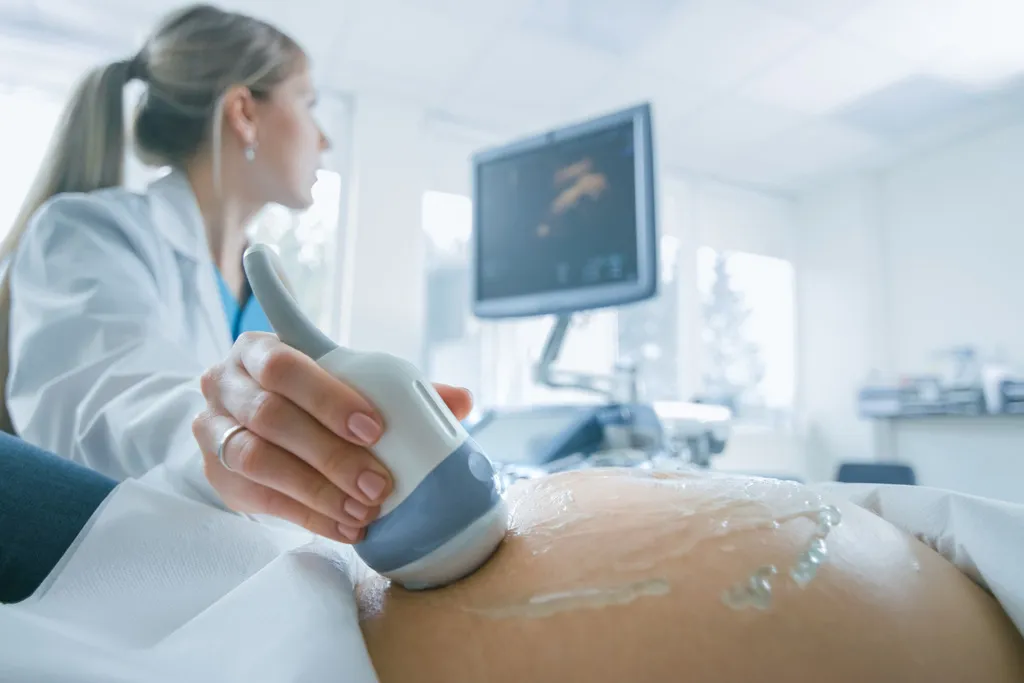
Pregnancy is a time filled with excitement, hope, and many medical check-ups. One of the most important parts of prenatal care is diagnostic testing. These tests help doctors monitor the baby’s growth, identify possible health concerns, and ensure the pregnancy is progressing safely.
However, many parents naturally worry about one common question — are prenatal diagnostic tests safe during pregnancy? This concern is completely understandable because every parent wants to protect their baby while also getting accurate medical information.
Many expecting parents search for where to get amniocentesis in Chandigarh because they want reliable testing from experienced specialists who follow proper safety standards. Understanding how these tests work and their actual risks can help parents feel more informed and confident during pregnancy.
In this blog, we will explain the different prenatal diagnostic tests, how safe they are, when they are recommended, and what parents should know before undergoing them.
What Are Prenatal Diagnostic Tests?
Prenatal diagnostic tests are medical procedures used during pregnancy to detect certain genetic, chromosomal, or developmental conditions in the baby.
These tests help doctors:
- Check the baby’s health
- Detect abnormalities early
- Assess genetic risks
- Plan pregnancy care more effectively
Prenatal testing generally falls into two categories:
- Screening Tests
- Diagnostic Tests
Both types play different roles during pregnancy.
Difference Between Screening and Diagnostic Tests
Many people confuse screening tests with diagnostic tests, but they are different.
Screening Tests
Screening tests estimate the chance or risk of a condition. They cannot confirm whether the baby has a disorder.
Common screening tests include:
- NT Scan
- Double Marker Test
- Triple Marker Test
- NIPT
These tests are usually non-invasive and considered very safe.
Diagnostic Tests
Diagnostic tests provide more accurate and confirmed results. These tests are usually recommended when screening reports show higher risk.
Common diagnostic tests include:
- Chorionic Villus Sampling (CVS)
- Amniocentesis
These tests involve collecting samples from the placenta or amniotic fluid for detailed analysis.
Are Prenatal Screening Tests Safe?
Most prenatal screening tests are extremely safe because they are non-invasive.
Examples of Safe Screening Tests:
- Ultrasounds
- Blood tests
- NIPT
These tests:
- Do not involve surgery
- Do not disturb the baby
- Carry no miscarriage risk
- Are commonly performed worldwide
Ultrasounds use sound waves instead of radiation, making them safe for pregnancy monitoring.
Blood tests simply require a blood sample from the mother and do not directly affect the baby.
Understanding Amniocentesis
One of the most commonly discussed diagnostic procedures is the amniocentesis test in Chandigarh.
Amniocentesis is a medical procedure where a small amount of amniotic fluid is removed from around the baby using a thin needle.
This fluid contains fetal cells that can help diagnose:
- Down syndrome
- Trisomy 18
- Genetic disorders
- Chromosomal abnormalities
- Certain infections
Doctors usually recommend this test between 15–20 weeks of pregnancy.
Is Amniocentesis Safe?
Amniocentesis is generally considered safe when performed by experienced specialists using advanced ultrasound guidance.
However, because it is an invasive procedure, there are some small risks involved.
Possible Risks Include:
- Mild cramping
- Spotting
- Fluid leakage
- Infection (rare)
- Miscarriage (very rare)
The risk of miscarriage today is much lower than it was in the past because:
- Ultrasound technology has improved
- Doctors use safer techniques
- Specialists have more experience
In most cases, complications are uncommon when the procedure is done at a trusted medical centre.
Why Doctors Recommend Diagnostic Tests
Doctors do not recommend invasive tests for every pregnancy. These tests are usually advised only when medically necessary.
Common Reasons Include:
- High-risk screening results
- Advanced maternal age
- Family history of genetic disorders
- Previous pregnancy complications
- Abnormal ultrasound findings
The goal is to get accurate information about the baby’s health when screening tests show increased risk.
Benefits of Prenatal Diagnostic Testing
Although many parents worry about safety, prenatal diagnostic testing also provides important benefits.
1. Early Detection
Early diagnosis helps doctors:
- Monitor pregnancy more closely
- Plan medical care
- Prepare for possible complications
2. Better Pregnancy Management
If any condition is identified early, specialists can guide parents properly throughout the pregnancy.
This may include:
- Additional monitoring
- Specialist consultations
- Delivery planning
- Neonatal care preparation
3. Emotional Preparation
Receiving information early allows parents more time to:
- Understand the condition
- Seek counseling
- Make informed decisions
- Prepare emotionally
How Doctors Reduce Risks During Diagnostic Tests
Medical specialists follow strict safety protocols during procedures like amniocentesis.
Safety Measures Include:
- Continuous ultrasound guidance
- Sterile equipment
- Experienced fetal medicine specialists
- Careful monitoring after the procedure
These precautions help minimize complications and improve patient safety.
What to Expect During Amniocentesis
Many expecting mothers feel anxious before the procedure because they are unsure what will happen.
During the Procedure:
- Ultrasound is used to locate the baby safely
- A thin needle is inserted through the abdomen
- Small amount of amniotic fluid is collected
- Procedure usually takes 10–20 minutes
Most women experience only mild discomfort similar to a blood test or muscle cramp.
Recovery After the Procedure
After amniocentesis, doctors usually advise:
- Rest for 24–48 hours
- Avoid heavy lifting
- Drink plenty of fluids
- Report severe pain or bleeding immediately
Mild cramping is normal and usually settles quickly.
Emotional Concerns Around Prenatal Testing
Prenatal testing can sometimes feel emotionally overwhelming for parents.
Common feelings include:
- Anxiety
- Fear
- Confusion
- Stress while waiting for results
It’s important to remember:
- These tests are done to support healthy pregnancy care
- Most pregnancies continue normally
- Doctors recommend testing only when medically appropriate
Open communication with doctors and family members can help reduce emotional stress.
Importance of Choosing the Right Diagnostic Centre
The safety and accuracy of prenatal diagnostic testing depend heavily on:
- Doctor experience
- Equipment quality
- Proper medical protocols
A trusted diagnostic centre should provide:
- Experienced fetal medicine specialists
- Modern ultrasound technology
- Proper counseling
- Clear explanations about risks and benefits
- Emergency medical support if needed
Good medical guidance helps parents feel more comfortable and informed throughout the process.
Questions Parents Should Ask Before Testing
Before undergoing any prenatal diagnostic test, parents should discuss:
- Why the test is recommended
- Possible risks
- Accuracy levels
- Alternative options
- Recovery instructions
Understanding the full process helps reduce fear and improve confidence in decision-making.
Final Thoughts
Prenatal diagnostic tests play a major role in modern pregnancy care by helping doctors detect certain conditions early and guide parents properly. Most prenatal screening tests are completely safe, while diagnostic procedures like amniocentesis carry only small risks when performed by experienced professionals.
Understanding the purpose, benefits, and safety of these tests can help parents make informed decisions during pregnancy. Regular prenatal care, proper medical supervision, and choosing trusted specialists are key to ensuring safer testing and healthier pregnancy management.
Every pregnancy is unique, and the decision to undergo diagnostic testing should always be made after proper discussion with qualified healthcare experts.