How Road Sawing Improves Accuracy and Speed in Modern Roadworks
By zoehsewell
107 Views
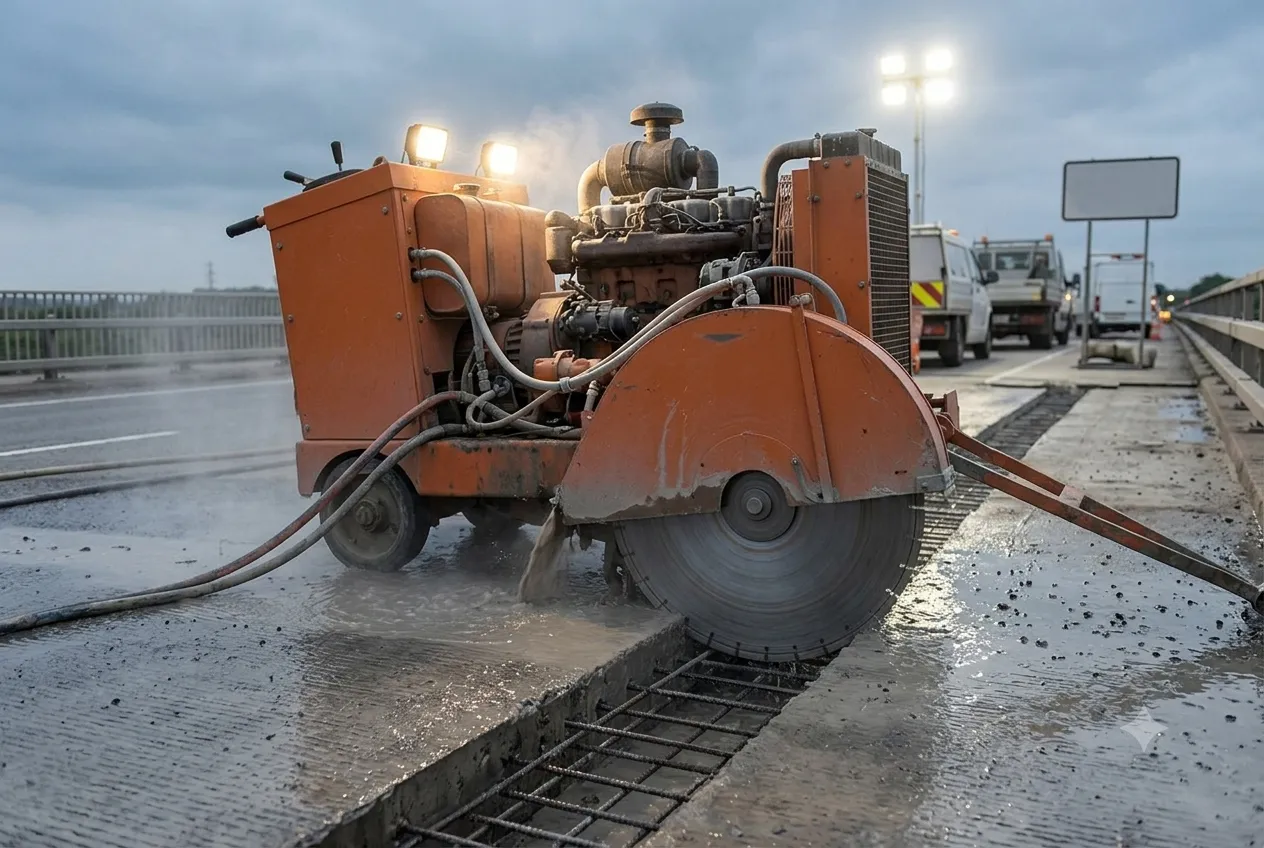
The answer often comes down to the cutting methods used. Road sawing has transformed the way we approach roadworks in Australia, bringing a level of accuracy and efficiency that traditional methods simply can't match. This technique uses specialised diamond-blade saws to slice through concrete, asphalt, and other hard surfaces with remarkable precision. It's become the go-to choice for contractors who need clean cuts, faster turnaround times, and better overall results.
We will explore how road sawing works and why it's become essential for modern construction projects. You'll discover the key benefits that make it superior to older cutting methods, learn about the safety improvements it brings to job sites, and get a handle on what different projects actually require this service. Plus, we'll break down the costs involved and help you understand what to look for when hiring a professional road sawing contractor. Whether you're a project manager, property developer, or simply curious about construction techniques, this guide will give you everything you need to know.
What Is Road Sawing and How Does It Work?
Understanding the Road Sawing Process
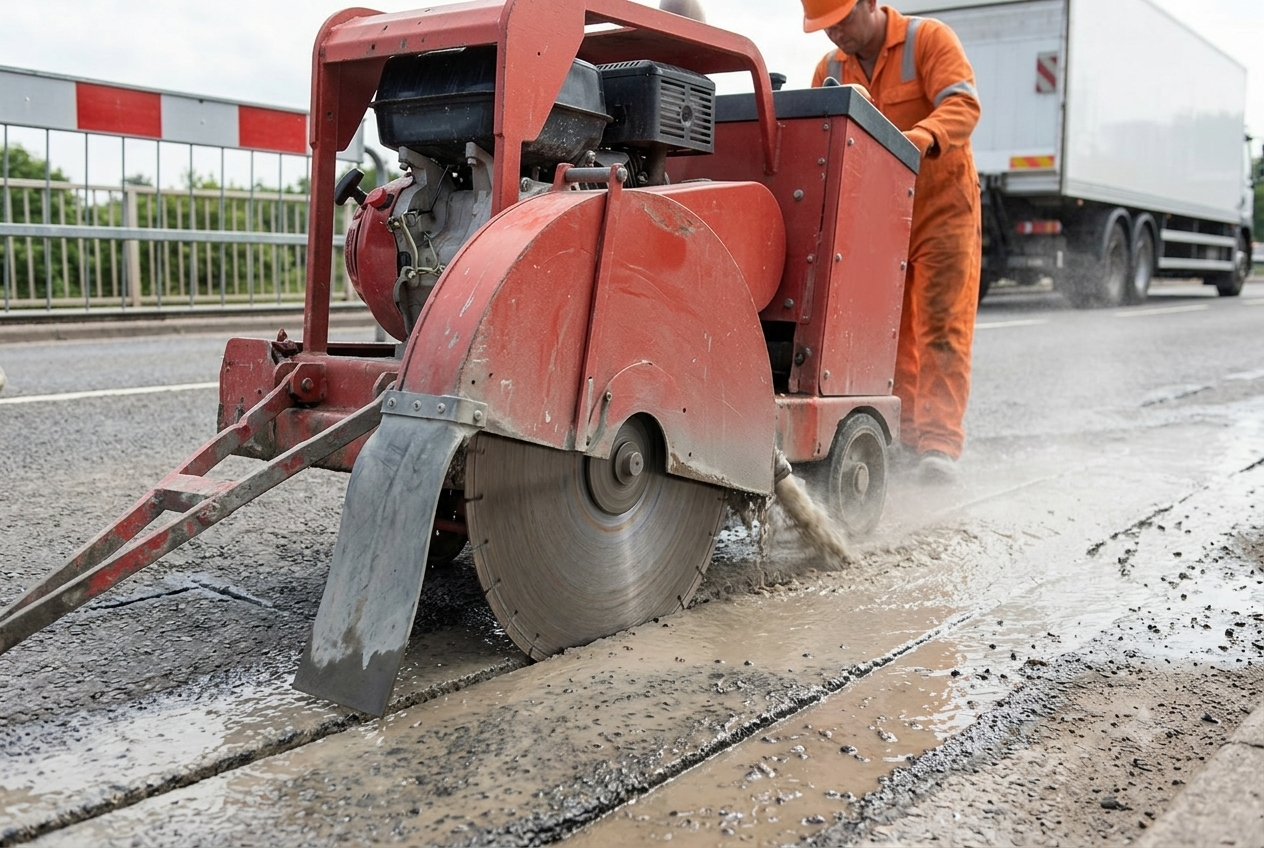
Road sawing, sometimes called flat sawing or slab sawing, involves using a walk-behind machine fitted with diamond-tipped blades to cut horizontal surfaces. The operator guides the saw along predetermined lines, creating precise cuts that can reach depths of up to 600mm depending on the equipment used. Water is typically sprayed onto the blade during cutting to reduce dust and keep the blade cool.
The process starts with careful marking of the cut lines. Accuracy at this stage is crucial because the saw follows these marks exactly. Once the machine is positioned, the operator lowers the blade and begins cutting at a controlled speed. The diamond segments on the blade grind through the material rather than chipping it, which produces those clean, straight edges you see on professional jobs.
What makes this method so effective is the consistency it delivers. Unlike manual methods that rely heavily on operator skill and physical strength, road saws produce uniform results every time. The machine maintains constant pressure and speed, eliminating the variations that lead to uneven cuts and structural weaknesses.
Types of Road Sawing Equipment Used in Australia
Australian contractors use several types of road saws depending on the job requirements. Diesel-powered saws are the most common for outdoor roadworks because they offer plenty of power without needing electrical connections. Electric and petrol models work well for smaller jobs or indoor applications where emissions are a concern.
Blade sizes vary considerably, with options ranging from 350mm for light-duty work up to 1500mm for deep cutting applications. Hydraulic road saws have also gained popularity for heavy-duty projects, offering superior torque and cutting power for the toughest materials.
The Key Benefits of Road Sawing for Modern Construction Projects
Unmatched Cutting Accuracy
Precision is where road sawing truly shines. The diamond blades create cuts accurate to within just a few millimetres, which is essential for projects requiring exact specifications. This level of accuracy means pieces fit together perfectly during repairs, reducing the need for additional filling or patching.
Clean cuts also mean better joint integrity when new materials are laid. When concrete or asphalt is cut cleanly, the bond between old and new sections is stronger and more durable. This translates to repairs that last longer and require less maintenance over time.
Faster Project Completion Times
Time is money in construction, and road sawing delivers significant time savings. A skilled operator can cut through concrete at rates of several metres per minute, depending on material thickness. Compare this to jackhammering, which can take hours to achieve the same result, and the efficiency gains become obvious.
Faster cutting means shorter project timelines, reduced traffic disruption, and lower overall costs. For roadworks on busy routes, this speed advantage can mean the difference between overnight closures and week-long detours.
Reduced Labour Costs and Increased Efficiency
Road sawing requires fewer workers than traditional methods. One or two operators can handle most cutting jobs, whereas jackhammering often needs multiple crew members working in rotation due to the physical demands. This reduction in labour requirements directly impacts project budgets.
The equipment also requires less cleanup afterwards. Clean cuts produce manageable debris that's easy to remove, unlike the scattered rubble from breaking methods. This streamlined approach keeps sites tidier and operations running smoothly.
Why Is Road Sawing Better Than Traditional Cutting Methods?
Comparing Road Sawing to Jackhammering
Jackhammering has its place, but it's essentially a demolition tool rather than a precision cutting method. It works by breaking material apart through repeated impacts, which creates rough, irregular edges. These edges require significant preparation before new material can be applied properly.
Road sawing, on the other hand, cuts rather than breaks. The result is smooth, vertical edges that provide excellent surfaces for bonding. Projects finished with road sawing typically show better long-term durability because the structural integrity of surrounding material remains intact.
Minimising Structural Damage to Surrounding Areas
One major advantage of road sawing is how gentle it is on adjacent structures. Jackhammering sends vibrations through the ground that can damage nearby pavements, underground utilities, and even building foundations. Road sawing produces minimal vibration, making it safe for use near sensitive infrastructure.
This characteristic makes road sawing ideal for urban environments where buildings, pipes, and cables are close to the work area. Contractors can work with confidence knowing they won't cause collateral damage that leads to expensive repairs and project delays.
How Does Road Sawing Improve Safety on Construction Sites?
Reduced Vibration and Dust Control
Worker safety benefits significantly from road sawing's lower vibration levels. Prolonged exposure to vibrating equipment can cause hand-arm vibration syndrome and other health issues. Road saws produce far less vibration than jackhammers, reducing these occupational health risks.
The water-cooled cutting process also controls dust effectively. Silica dust from concrete cutting poses serious respiratory hazards, but the water spray captures most airborne particles before they can be inhaled. This creates healthier conditions for workers and nearby pedestrians.
Creating Safer Work Environments for Crews
Faster cutting means less time spent in potentially hazardous work zones. Crews can complete their tasks and clear the area quickly, reducing exposure to traffic and other site dangers. The controlled nature of road sawing also means fewer unexpected situations that could lead to accidents.
Equipment stability is another safety factor. Road saws are designed with low centres of gravity and wide bases, making them stable during operation. This reduces the risk of tip-overs or loss of control that can occur with handheld power tools.
What Types of Projects Require Road Sawing Services?
Road Maintenance and Repairs
Pothole repairs, crack sealing, and surface patching all benefit from road sawing. By cutting clean boundaries around damaged areas, contractors can remove only the affected material and create perfect joints for new asphalt or concrete. This approach produces longer-lasting repairs than simply filling over damaged surfaces.
Utility Trenching and Underground Services
Installing or repairing underground pipes, cables, and conduits requires precise trenches. Road sawing creates straight-sided trenches that protect existing utilities and allow for proper backfilling. This precision is essential when working near gas lines, electrical cables, or telecommunications infrastructure.
Commercial and Residential Concrete Cutting
Beyond roadworks, road sawing serves commercial and residential projects. Driveway modifications, floor openings for plumbing, and expansion joint creation all use this technique. The clean results and minimal disruption make it popular for renovation projects where existing structures must be preserved.
How Much Does Road Sawing Cost in Australia?
Factors That Influence Pricing
Several variables affect road sawing costs. Material type and thickness are primary factors cutting through reinforced concrete costs more than plain asphalt due to increased blade wear and slower cutting speeds. Depth of cut, total length, and site accessibility also influence pricing.
Location matters too. Metropolitan areas typically have more competitive pricing due to contractor availability, while remote sites may incur travel charges. Urgency can also affect costs, with after-hours or emergency work commanding premium rates.
Getting Value for Money on Your Project
To get the best value, obtain multiple quotes and compare them carefully. Look beyond the headline price to understand what's included some contractors bundle debris removal and traffic management while others charge separately. Clear communication about project requirements helps avoid unexpected costs.
How to Choose a Professional Road Sawing Contractor
What to Look for in a Concrete Cutting Company
Experience and proper licensing should top your checklist. Look for contractors with demonstrated expertise in projects similar to yours. Check that they hold appropriate insurance coverage and comply with Australian safety standards.
Equipment quality matters too. Reputable contractors invest in well-maintained, modern machinery that delivers consistent results. Don't hesitate to ask about their equipment and maintenance practices.
Questions to Ask Before Hiring
Ask potential contractors about their experience with your specific type of project. Request references from recent clients and follow up on them. Clarify timelines, payment terms, and what happens if unforeseen complications arise. A professional contractor will answer these questions openly and provide clear documentation.
Investing in Precision for Better Roadworks Outcomes
Road sawing has fundamentally changed how we approach roadworks and concrete cutting projects in Australia. The combination of precision, speed, and safety makes it the superior choice for modern construction needs. From major highway repairs to small residential jobs, this technique delivers results that traditional methods simply cannot match.
If you're planning a project that involves cutting concrete or asphalt, road sawing deserves serious consideration. Take time to find a qualified contractor who understands your requirements and has the equipment to deliver quality results. The investment in professional road sawing services pays off through superior outcomes, fewer complications, and lasting repairs that stand the test of time. Your project and everyone who uses those roads will benefit from choosing precision over shortcuts.
Related Reading
Expert Insights: Navigating the Complex World of Home Improvement
Welcome to our in-depth exploration of Home Improvement. In an era defined by ra...
Why Home Improvement is Transforming the Global Industry Landscape
Welcome to our in-depth exploration of Home Improvement. In an era defined by ra...