How Preferred Packaging Parts Support Reliable Equipment
109 Views
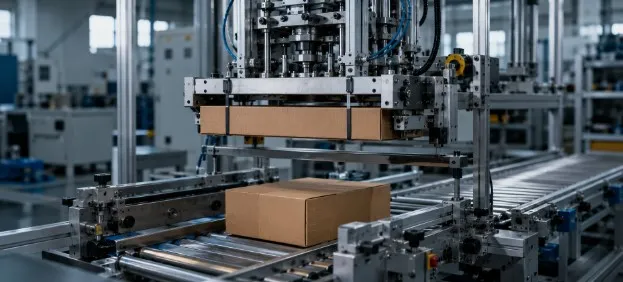
Packaging equipment plays a major role in keeping products protected, sealed, and ready for distribution. In busy production environments, preferred packaging systems help support wrapping, sealing, tray handling, and other packaging tasks where consistency matters. When the right parts are available, maintenance teams can reduce delays and keep equipment performing with fewer interruptions.
Preferred Packaging has been associated with machinery, shrink film, and parts that support complete packaging solutions. The company also supplies flexible films, thermoformed containers, and tray sealing equipment for food brands, meal providers, and commercial kitchens.
Why do packaging systems need regular maintenance?
Packaging machines run through repeated cycles every day. Heat, motion, pressure, film movement, and sealing contact can slowly wear down parts. If maintenance is delayed, small performance issues may turn into unplanned downtime.
Regular maintenance helps protect product quality and machine life. It also allows teams to identify worn belts, blades, rollers, sensors, wires, and sealing elements before they fail. This keeps production more predictable and easier to manage.
What problems happen when parts wear out?
Worn parts can affect how packages look, seal, and move through the line. A damaged sealing component may create weak seals. A worn belt may cause feeding issues. A dull blade may create uneven cuts or film tears.
Common warning signs include:
- Loose or uneven seals
- Film tracking problems
- Repeated jams
- Unusual machine noise
- Inconsistent cutting
- Slower cycle times
- More product rejects
- Frequent operator adjustments
These issues can reduce productivity and increase material waste.
How do compatible parts improve performance?
Packaging machines are designed around specific sizes, materials, and operating tolerances. A part that is close but not correct can create alignment problems or inconsistent results. Using compatible parts helps the machine work as intended.
Correct parts can also protect related systems. For example, a properly fitted belt supports smoother product movement, while the right seal bar or heating element helps maintain accurate sealing. Compatibility is important for both quality and safety.
What should teams inspect during routine checks?
Routine inspections should focus on parts that experience heat, friction, pressure, or frequent movement. These areas often show wear first. A simple inspection schedule can help teams avoid sudden failures.
Which areas need closer attention?
Maintenance teams should check:
- Seal bars and heating elements
- Belts and rollers
- Cutting blades and wires
- Sensors and switches
- Bearings and bushings
- Film feed areas
- Springs and tension parts
- Electrical connections
- Control panels
- Guards and safety devices
Each area affects machine reliability in a different way.
Why is part availability important?
When a packaging machine stops, waiting days for a replacement part can disrupt orders. Having access to the right parts helps teams make repairs faster. This is especially important for facilities with tight shipping schedules.
Machine Parts Toolbox describes itself as a distributor of aftermarket replacement parts for packaging machines, production machines, and equipment. It also notes that many stocked parts can ship quickly, with the goal of reducing downtime for customers. Fast sourcing can support better maintenance planning.
How can businesses reduce downtime?
Downtime is easier to control when teams prepare before problems happen. Facilities should identify critical wear parts, keep records of replacements, and train operators to report early symptoms. A maintenance log can reveal patterns over time.
What should a downtime plan include?
A good plan should include:
- A list of critical spare parts
- Machine model and serial numbers
- Supplier contact details
- Maintenance schedules
- Operator reporting steps
- Repair history
- Emergency ordering process
- Installation notes
This makes repair decisions faster when production pressure is high.
How do parts affect package quality?
Package quality depends on the machine’s ability to seal, cut, feed, and handle materials consistently. If one part is worn, the final package may look poor or fail during handling. This can affect customer trust.
For food, retail, and shipped goods, packaging quality is not just visual. It can affect freshness, protection, shelf presentation, and transport safety. Preferred Packaging supports food brands and meal production programs with films, containers, and sealing equipment engineered for freshness, shelf life, and operational reliability.
Final Thoughts
Reliable packaging depends on both the machine and the maintenance behind it. Businesses using preferred packaging systems should inspect wear areas, replace parts on time, and keep important details ready before breakdowns happen. A planned approach to machine components in one of the last maintenance steps can help reduce downtime, improve package quality, and keep daily production moving with fewer surprises.
Related Reading
Top 10 Hidden Secrets About Business & Finance You Need to Know
Welcome to our in-depth exploration of Business & Finance. In an era defined...
Why Business & Finance is Transforming the Global Industry Landscape
Welcome to our in-depth exploration of Business & Finance. In an era defined...