How Play Shapes Your Toddler's Early Development
49 Views
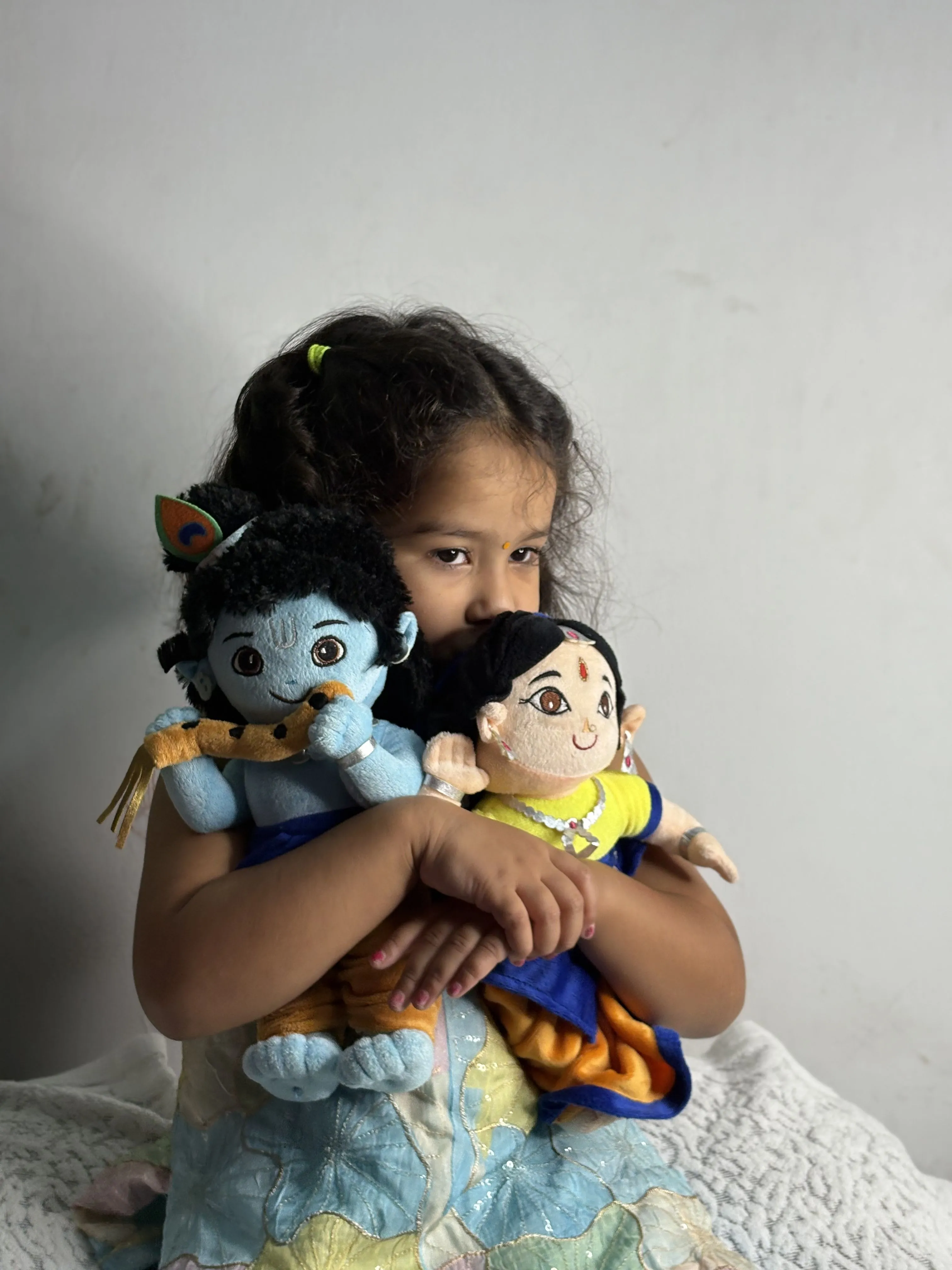
The toddler years are full of exciting discoveries. From taking confident first steps to learning new words every day, children between one and three years old develop rapidly. During this stage, play becomes one of the most effective ways for them to explore the world around them. Choosing the right toys for toddler helps encourage creativity, confidence, communication, and problem-solving while making every day more enjoyable.
Parents often come across hundreds of toy options, but not every product contributes equally to a child's development. The best toys are those that combine fun with learning while remaining safe, durable, and age-appropriate.
What Makes Good Toddler Toys?
Selecting toddler toys isn't simply about buying the newest or most colorful products. A well-designed toy encourages children to think, explore, and interact while supporting different areas of development.
Toddlers enjoy activities that allow them to stack, sort, pull, push, build, and pretend. These experiences help strengthen motor skills, improve hand-eye coordination, and introduce early problem-solving abilities. At the same time, children gain confidence as they learn to complete simple tasks independently.
Parents should choose toys that match their child's interests while offering opportunities to learn something new through everyday play.
Skills That Toys Can Help Develop
Different toys encourage different developmental milestones. A balanced collection allows toddlers to practice multiple skills without becoming overwhelmed.
Physical Development
Active toys encourage movement and coordination.
- Push-and-pull toys help toddlers improve balance while strengthening leg muscles and developing greater confidence as they learn to walk independently.
- Building blocks and stacking toys improve hand control by encouraging children to grasp, lift, and carefully place objects during play.
Cognitive Development
Problem-solving toys introduce simple challenges.
- Shape sorters, puzzles, and matching games teach toddlers to recognize patterns, identify differences, and develop logical thinking while keeping play enjoyable.
Language Development
Interactive play creates opportunities for conversation.
Reading books together, naming colors, identifying animals, and pretending with toy sets help toddlers expand their vocabulary naturally through everyday interactions.
Social and Emotional Growth
Pretend play teaches empathy and communication.
Playing with dolls, kitchen sets, doctor kits, or animal figures encourages children to express emotions, imitate daily routines, and interact with family members or friends.
Choosing Safe Toys for Young Children
Safety should always remain the highest priority when purchasing toys for toddlers.
Parents should look for products that are made from child-safe materials and designed specifically for the recommended age group. Small detachable parts should be avoided because they may create choking hazards.
It is also important to inspect toys regularly for signs of wear. Broken pieces, loose stitching, cracked plastic, or damaged batteries should be repaired or replaced immediately to ensure safe play.
Keeping toys clean is equally important since toddlers frequently touch their faces and may place toys in their mouths.
Why Traditional and Indian Toys Are Becoming Popular
Many parents are rediscovering the value of Indian Toys because they combine learning with cultural experiences and simple, creative play.
Traditional wooden toys, handcrafted puzzles, cloth toys, and educational games often encourage open-ended play instead of relying on flashing lights or excessive electronic features. These toys inspire imagination while introducing children to traditional craftsmanship and sustainable materials.
Many families appreciate that handcrafted toys also support local artisans while providing durable products designed for everyday use.
How to Build a Balanced Toy Collection
Children do not need dozens of toys to stay engaged. In fact, having fewer thoughtfully selected toys often creates better learning opportunities.
Consider including:
- Building toys that encourage creativity and improve problem-solving by allowing toddlers to construct different shapes, towers, and imaginative structures.
- Art supplies such as washable crayons and coloring materials that help develop creativity while strengthening finger control and coordination.
- Musical instruments designed for young children that introduce rhythm, listening skills, and creative expression through simple songs and sounds.
- Outdoor toys like balls, ride-on toys, or sand play equipment that encourage physical activity while improving balance and coordination.
Rotating toys every few weeks can also make older toys feel new again while reducing clutter and maintaining a child's interest.
Screen-Free Play Builds Stronger Learning Habits
Today's children are surrounded by digital devices, making screen-free play more valuable than ever.
Hands-on activities encourage children to touch, experiment, ask questions, and solve problems independently. Building towers, completing puzzles, pretending with toy animals, or creating stories using simple figures all stimulate imagination in ways that passive screen time cannot.
Parents who actively participate in playtime also strengthen family relationships while helping children develop language, confidence, and emotional security.
Tips for Buying Toys as Your Child Grows
Every toddler develops at a different pace, so flexibility is important when choosing toys.
Keep these suggestions in mind:
- Focus on developmental readiness rather than age alone, as some children may enjoy slightly more advanced activities while others benefit from simpler play experiences.
- Choose toys that can be used in multiple ways instead of products designed for only one activity, allowing children to continue exploring as they grow.
- Prioritize quality over quantity by investing in durable toys that remain useful for months or even years instead of short-lived novelty items.
- Observe your child's interests and choose toys that encourage curiosity while introducing new opportunities to learn.
Conclusion
The right toddler toys do much more than entertain. They help children build essential physical, cognitive, social, and emotional skills while encouraging curiosity and independent learning. Whether you choose educational games, pretend-play sets, outdoor activities, or thoughtfully crafted traditional options, every toy has the potential to become part of your child's learning journey.
By focusing on safety, quality, and developmental value, parents can create meaningful play experiences that support healthy growth while filling childhood with joyful memories.
If you're looking for thoughtfully designed toys that combine fun, learning, and safety, explore collections that encourage creativity, confidence, and hands-on discovery. Choosing quality toys today helps create meaningful learning experiences for tomorrow.
Related Reading
Top 10 Hidden Secrets About Business & Finance You Need to Know
Welcome to our in-depth exploration of Business & Finance. In an era defined...
Why Business & Finance is Transforming the Global Industry Landscape
Welcome to our in-depth exploration of Business & Finance. In an era defined...