How Neurocritical Care Helps Patients Recover After Brain Surgery
24 Views
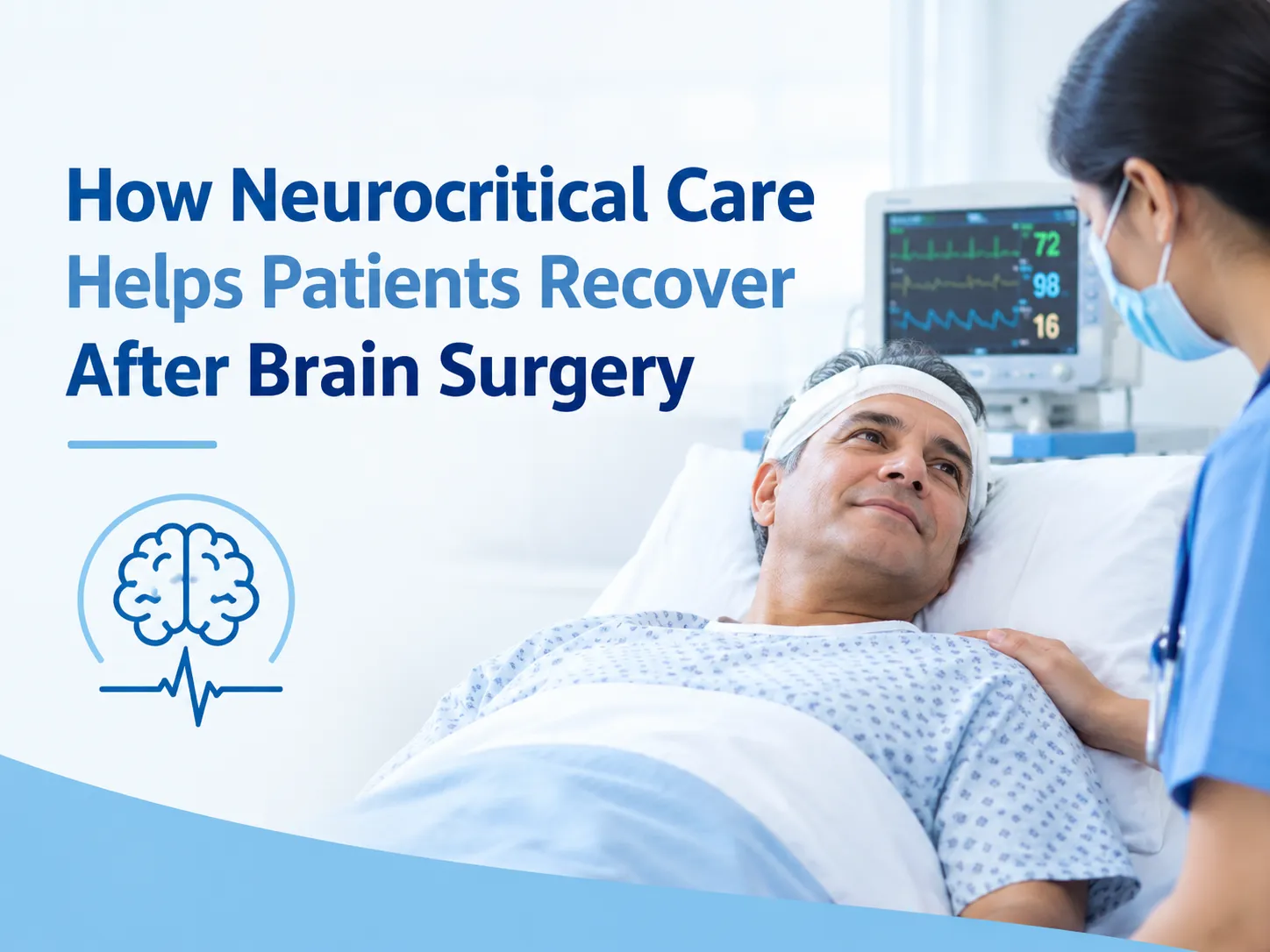
Brain surgery is a delicate operation and needs careful monitoring not only during the operation but also during the period of recovery. The brain and the nervous system will be under strict surveillance after surgery since even slight deviation from normal neurological functioning, blood pressure or oxygen levels may need prompt treatment. Neurocritical care involves close supervision and treatment of those patients who need intensive treatment after their brain surgeries. Sarvesh Health City provides coordinated care to the patients after their brain surgeries.
What Is Neurocritical Care?
Neurocritical care is a unique form of intensive care for patients with serious neurological disorders or for those who have undergone difficult brain and spinal operations. It combines critical care medicine with neurology in order to conduct constant monitoring of the work of the brain and other vital body functions.
In case of brain surgery, patients may require a special form of intensive care treatment. The medical team usually examines patients for the presence of consciousness, response of pupils, movements, speech, respiration, blood pressure, oxygen level, and other neurological symptoms.
Why Neurocritical Care Matters After Brain Surgery
The time immediately after brain surgery is important because the body is adjusting to the effects of anesthesia, surgery and the underlying neurological condition. Some patients will recover quickly, while others will require several days of intensive monitoring.
With neurocritical care, healthcare professionals are able to detect potential problems in an early stage. They may include swelling or bleeding in the brain, changes in intracranial pressure, seizures, infections, breathing problems, or changes in blood circulation. If caught early enough, the medical team can act quickly and help the patient work through it.
If you need advanced monitoring and intensive support, then you can choose the Best Critical Care Hospital In Hisar to get specialized critical care services, trained professionals, and ongoing surveillance during the crucial post-operative period.
Continuous Brain Function Monitoring
A key benefit of neurocritical care following brain surgery is the ability to continuously monitor neurological status. Neurocritical care is not routine post-operative care, but rather it is an intensive focus on changes in the patient’s neurological status.
Repeat examinations by doctors and nurses may be needed to check the patient's level of consciousness, movement, speech, reflexes and pupil responses. Depending on the type of surgery and the patient’s condition, additional monitoring or imaging may also be recommended.
If the patient’s neurologic status changes, the care team can rapidly search for a cause and determine whether further interventions are required. Close monitoring like this can be especially critical after surgery involving parts of the brain that control movement, speech, vision, memory or other vital functions.
Management of Cerebral Edema and Intracranial Pressure
Swelling of the brain can happen after some types of brain surgery. Too much swelling can raise the pressure inside the skull and interfere with the normal working of the brain. Neurocritical care teams monitor patients closely for signs that may suggest increased intracranial pressure.
Treatment depends on the patient’s condition and may include medication, fluid management, positioning, ventilation support or other interventions as advised by the medical team. Monitoring often enables treatment to be varied according to the response of the patient.
Stabilizing intracranial pressure and ensuring adequate blood supply to the brain are important components of brain tissue protection during recovery.
Support Circulation and Breathing
Some patients may need help breathing or keeping their circulation stable for a short time after major brain surgery. Anesthesia, neurologic impairment or the severity of the surgery can alter normal breathing and other vital functions.
Vital signs such as oxygen saturation, heart rate, blood pressure, and respiratory status can be monitored continuously in a neurocritical care unit. The critical care team can provide the right intervention, if needed.
The brain requires a constant supply of oxygen and nutrients to function normally and to heal; therefore, it is important to ensure adequate oxygen delivery and stable blood pressure.
Prevention and Management of Post-Surgical Complications
The recovery period after brain surgery is more than just checking the site of surgery. Depending on the type of procedure, their general health and the reason for surgery, patients may be at risk of several complications.
Neurocritical care teams also attempt to diagnose and treat problems such as infections, abnormal blood pressure, electrolyte imbalances, blood clots, neurological decline and other post-operative problems.
Medication management is also closely observed. Treatment may include pain control, anti-infectives, medication to reduce brain swelling, and other drugs, depending on the condition of the patient. As the patient gets better, the treatment plan is altered.
Helping Patients to Get Back to Health
Neurocritical care is far beyond the management of acute medical threats. Once the condition of the patient stabilizes there is a gradual transition to recovery and rehabilitation.
Depending on the neurological status of the patient, the healthcare team may coordinate with physiotherapists, occupational therapists, speech therapists and other rehabilitation professionals. Early evaluation can help find problems with movement, balance, speech, swallowing or daily activities.
Rehabilitation can start with simple activities and progress slowly based on the patient's ability. The goal is to help patients regain as much independence and function as possible, while avoiding unnecessary strain in the early period of recovery.
The Role of a Multidisciplinary Care Team
After brain surgery, it is common for a team of medical professionals to work together to facilitate recovery. The care of the patient may be provided by neurosurgeons, intensivists, neurologists, nurses, physiotherapists, respiratory therapists and other specialists.
The multidisciplinary approach brings together the different aspects of recovery. For example, the neurosurgical team could oversee surgical recovery, while the critical care specialists are responsible for general stability and the rehabilitation specialists are involved in functional recovery.
Such communication is especially important when a patient’s condition changes or treatment needs to be modified.
How Families Can Help Recovery
Family support is a helpful factor in the recovery process. The degree of involvement varies depending on the medical condition of patient and the policies of the hospital. The families can be helpful by providing essential medical details, abiding by the instructions of the healthcare team, and providing psychological assistance.
In the post-discharge phase, the caregivers should ensure that the patient is taking medication according to schedule, taking the child for any follow-up appointments recommended and keeping an eye out for any developing symptoms.
The patient also should avoid engaging in strenuous physical or psychological work until allowed by the health care team.
Why Choose Sarvesh Health City for Neuro Critical Care Unit
Sarvesh Health City offers post-operative critical care with a synchronized team that focuses on close monitoring, timely medical intervention, and personalized recovery planning. Different levels of help may be needed for patients recovering from complex neurological procedures, depending on the surgery and their health.
Close observation, medical treatment, nursing and rehabilitation planning can help to create a structured recovery plan after brain surgery. Recovery differs from patient to patient, so treatment and monitoring will be individualized according to the patient's neurologic condition and response to therapy.
Conclusion
Recovery from brain surgery doesn’t end when the surgery is over. The hours and days that follow can be equally important for monitoring brain function, keeping vital signs stable, identifying complications and supporting the body’s healing process. Neurocritical care provides specific monitoring and treatment during this critical time.
With ongoing monitoring, prompt management of complications, multidisciplinary support and proper rehabilitation, patients can get the care they need as they transition from intensive monitoring to recovery.