How Much Does Commercial Roof Repair in Morton Really Cost?
17 Views
Let's just get it out of the way. Everybody wants a number. Property managers, owners, that guy who inherited a warehouse last spring, they all ask the same thing. And honestly, I get it. But commercial roof repair in Morton doesn't have one flat price, and anyone who quotes you without climbing up there is guessing. Small patch jobs can run a few hundred bucks. Bigger fixes hit the thousands fast. What you pay depends on the material, the size of the damage, how easy the roof is to reach, and how long the problem's been ignored.
What Actually Drives the Cost
Material matters most. A flat TPO roof isn't repaired like a metal panel roof, and EPDM is its own thing again. Then there's access. If crews need a lift or have to shut down part of your parking lot, that adds up. Moisture is the sneaky one. If water got into the insulation, you're not fixing a hole anymore, you're pulling out wet material and replacing it. That's where a "quick repair" turns into a real bill. Weather timing plays in too, since emergency calls after a storm cost more than scheduled work.
Signs Your Roof Is Begging for Help
Most roofs don't fail overnight. They whisper first. Ceiling stains are the obvious one, but look for ponding water that sits more than two days after rain, blistering on the membrane, cracked seams, and flashing that's pulling away from walls or vents. Inside, a musty smell is a big red flag. Your utility bills creeping up for no reason? Could be wet insulation. Don't wait for a drip in the break room. By then the damage underneath has usually been growing for months, quietly costing you money.
Common Causes of Commercial Roof Damage Around Morton
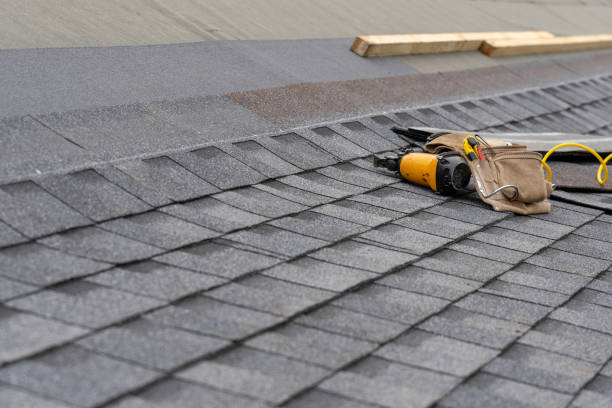
Weather does most of the dirty work. Freeze and thaw cycles crack seams and open small gaps. Summer heat bakes membranes until they get brittle. Hail and high winds tear things loose. But it's not just the sky. Foot traffic from HVAC techs, dropped tools, clogged drains, and poor original installation cause a surprising amount of trouble. I've seen a single missing screw on a rooftop unit cause a leak that took three visits to find. Small stuff, big headaches. That's why routine roof inspections matter more than most owners think.
Repair vs. Roof Replacement: How to Decide
Here's the honest answer nobody likes: sometimes repairing is just throwing good money after bad. A common rule is if repair costs start creeping toward a third or more of what roof replacement would cost, sit down and do the math. Age matters too. A roof past 20 years with multiple leak points is usually on borrowed time. But if the membrane is mostly healthy and the damage is local, repair is smart. A good contractor tells you which one you need, even if it means a smaller invoice for them.
What a Real Roof Inspection Looks Like
Not a drive-by. Not somebody glancing from the parking lot. A proper inspection means walking the whole surface, checking seams, penetrations, drains, flashing, and edges. Good crews often use moisture scans or infrared to find trapped water you can't see. You should get photos and a written report, plain language, not a wall of jargon. If a roofer won't show you what they found, be careful. Ask about their process before hiring, and ask what they'll do if they find more than the original leak.
Picking the Right Commercial Roofing Contractor
Local matters. Somebody who knows Morton weather, local codes, and how the buildings around here were put up will save you trouble. Check licensing and insurance, and actually call the insurance company, don't just accept a certificate. Ask for references from other commercial jobs, not houses. Get warranty terms in writing, both on workmanship and materials. And be a little suspicious of the cheapest bid. Low prices often mean thin scope, cheap materials, or a crew that vanishes when leaks come back in the fall.
How Maintenance Saves You From Big Bills
Boring advice, but true. Twice a year, spring and fall, get someone up there. Clear the drains, clean debris, reseal what needs it. Do it after major storms too. A maintenance plan costs a fraction of emergency commercial roof repair, and it can push a roof's life out by years. Plenty of building owners skip it to save money, then end up paying for full roof replacement a decade early. That's a bad trade. Keep records of every visit too, because warranties and insurance claims often depend on them.
Conclusion
Look, roofs aren't exciting. Nobody wakes up wanting to think about flashing. But ignoring yours is expensive, and it's rarely subtle when it finally goes wrong. If you're dealing with leaks, ponding, or an aging membrane, get a real inspection first and decide from there. Commercial roof repair in Morton can be affordable when you catch problems early, and roof replacement can be planned instead of forced on you in the middle of a storm. Act early, ask questions, and get everything in writing.

FAQs
How long does commercial roof repair in Morton usually take?
Small repairs often finish in a day. Larger jobs with wet insulation might take several days, depending on weather and materials.
How do I know if I need roof replacement instead of repair?
If the roof is 20-plus years old, leaks in several spots, or repairs keep failing, replacement is usually the smarter move.
Does insurance cover commercial roof repair?
Sometimes. Sudden storm damage is often covered, but wear and tear and neglect usually aren't. Read your policy and document everything.
How often should a commercial roof be inspected?
Twice a year at minimum, plus after big storms or hail.
Can a commercial roof be repaired in winter?
Some repairs, yes, especially temporary ones. Many materials seal better in mild weather, so permanent fixes might wait.
Related Reading
Top 10 Hidden Secrets About Business & Finance You Need to Know
Welcome to our in-depth exploration of Business & Finance. In an era defined...
Why Business & Finance is Transforming the Global Industry Landscape
Welcome to our in-depth exploration of Business & Finance. In an era defined...