How Long Does Amblyopia Treatment Take? Factors That Affect Recovery ?
By Rita Sharma
52 Views
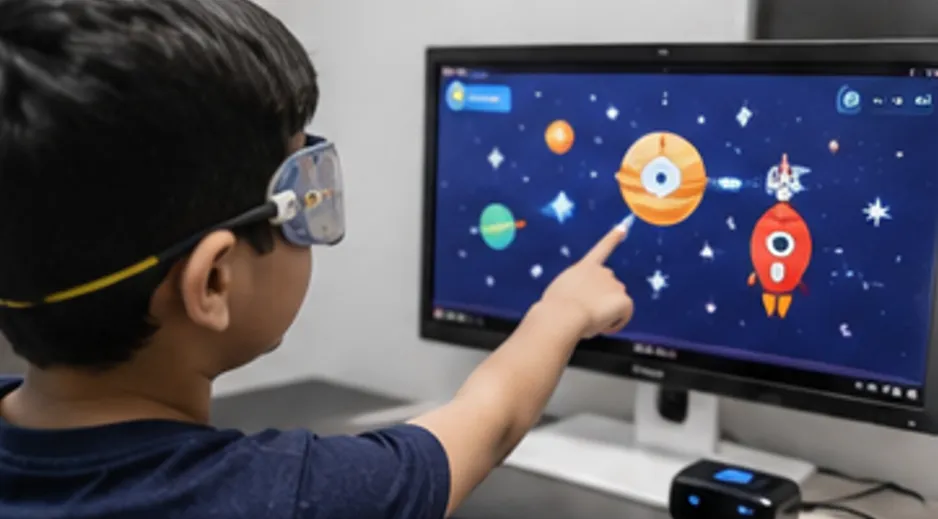
When someone is diagnosed with amblyopia, one of the first questions they ask is how long recovery will take. The answer depends on several factors, including the person's age, the severity of the condition, the underlying cause, and how consistently the treatment plan is followed. Some children show improvement within a few months, while others may require longer care. Every case is different, and amblyopia treatment is planned according to individual visual needs rather than a fixed timeline.
What Is Amblyopia?
Amblyopia, commonly known as a lazy eye, is a condition in which one eye develops weaker vision because the brain favors the stronger eye. Even though the eye itself may appear healthy, the communication between the eye and the brain does not develop normally.
Common causes include:
- Misaligned eyes
- A significant difference in vision between both eyes
- Congenital cataracts
- Eyelid conditions that block vision during early childhood
Early diagnosis allows vision to develop more effectively while the visual system is still maturing.
Is There a Standard Recovery Time?
There is no single recovery period that applies to everyone.
Some children respond within three to six months, while others may continue treatment for one to two years. In certain cases, regular monitoring continues even after vision improves to reduce the chance of the condition returning.
The focus is not simply on improving eyesight but also on helping both eyes work together properly.
Factors That Affect Recovery
Several factors influence how quickly vision improves.
Age at the Time of Diagnosis
Age is one of the biggest factors.
Young children generally respond faster because their visual system is still developing. The brain is more capable of strengthening the weaker eye during the early years.
This does not mean older children or adults cannot improve, but progress may take longer and results can vary.
Severity of Vision Loss
The amount of vision reduction also affects recovery.
A child with mild amblyopia may improve sooner than someone with more advanced vision loss. Severe cases often require a longer treatment period and closer follow up.
Underlying Cause
Recovery depends on what caused the condition in the first place.
For example:
- Vision differences between the eyes may improve with prescription glasses and additional therapy.
- Eye alignment problems may require surgery along with other treatments.
- Cataracts or other structural conditions need to be addressed before vision therapy can begin.
Treating only the symptoms without correcting the cause may limit progress.
Consistency With Treatment
Following the prescribed plan every day plays a major role in recovery.
Whether treatment includes wearing glasses, patching the stronger eye, using medicated eye drops, or completing vision therapy exercises, regular practice is essential.
Skipping treatment sessions or not following medical advice can slow improvement.
Common Treatment Methods
Eye specialists choose treatment based on the individual's condition.
Common options include:
- Prescription glasses
- Eye patching
- Atropine eye drops
- Vision therapy
- Surgery when eye alignment or cataracts are involved
Many patients require a combination of these approaches rather than a single method.
How Doctors Monitor Progress
Vision improvement is measured during scheduled eye examinations.
The specialist may check:
- Visual acuity in each eye
- Eye alignment
- Depth perception
- Binocular vision
- Overall eye health
Treatment plans are adjusted based on how the eyes respond over time.
Can Recovery Continue After Early Childhood?
For many years, treatment was believed to be effective only in young children.
Recent clinical experience suggests that some teenagers and adults can still experience improvement through structured care. The amount of recovery varies from person to person, but seeking professional advice is worthwhile rather than assuming nothing can be done.
This is why many specialists recommend an eye examination whenever symptoms are noticed, regardless of age.
Why Follow Up Visits Matter
Improvement does not always mean treatment is complete.
Regular follow up appointments help eye specialists:
- Track vision changes
- Adjust prescriptions if needed
- Reduce the chance of recurrence
- Confirm that both eyes continue working together
Stopping treatment too early may affect long term results.
What Parents Can Do at Home
Parents play an important role in successful recovery.
Helpful steps include:
- Encouraging children to wear glasses consistently
- Following patching schedules exactly as advised
- Attending every follow up appointment
- Reporting any concerns promptly
- Keeping treatment part of the daily routine
Positive encouragement often makes it easier for children to cooperate with treatment.
Conclusion
The recovery period for amblyopia varies because every patient has different visual needs. Age, severity, the underlying cause, and commitment to the prescribed plan all influence progress. While younger children often respond more quickly, older children and adults may also benefit from professional care. The most important step is starting amblyopia treatment as early as possible and following the treatment plan consistently under the guidance of an eye specialist. Timely care offers the greatest opportunity for stronger, more balanced vision over the long term.
Q.1 How long does amblyopia treatment usually take?
Ans. Recovery may take anywhere from a few months to two years, depending on the patient's age, the severity of the condition, and how consistently treatment is followed.
Q.2 Can amblyopia return after treatment?
Ans. Yes. Some patients experience recurrence, which is why regular follow up appointments are important even after vision improves.
Q.3 Is amblyopia only treated during childhood?
Ans. No. Although treatment is generally more effective in younger children, teenagers and adults may still benefit from professional evaluation and appropriate care.
Q.4 Does every patient need an eye patch?
Ans. No. Treatment depends on the underlying cause and may include glasses, eye drops, vision therapy, surgery, or a combination of these methods.
Q.5 Why is early diagnosis important?
Ans. Early diagnosis gives the developing visual system more time to respond to treatment, improving the chances of better long term vision outcomes.