Payment Terminal: How It Works and What to Consider
By Best Products Sales & Service, Inc.
30 Views
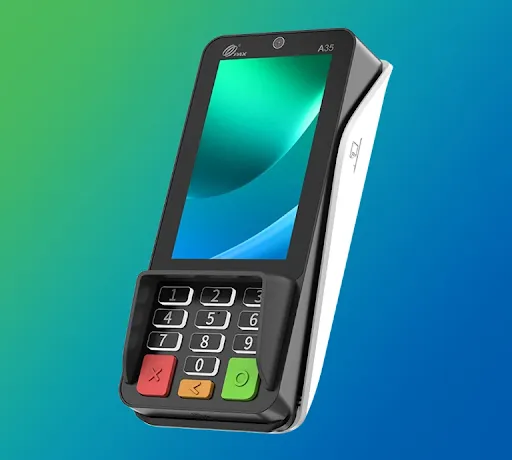
A Payment terminal is a device that allows businesses to accept electronic payments from customers. Depending on the model and payment setup, a terminal may support chip cards, contactless payments, magnetic-stripe cards, and mobile wallets. These devices have become a standard part of many modern checkout environments.
For businesses evaluating payment equipment, understanding how a Payment terminal works can make it easier to compare features, connectivity options, security requirements, and compatibility with existing business systems. The right equipment depends on the type of business, transaction volume, customer payment preferences, and checkout environment.
What Is a Payment Terminal?
A Payment terminal is a device used to capture payment information and transmit transaction data for processing. The PCI Security Standards Council describes payment terminals as devices used to accept card payments through methods such as swipe, dip, insert, tap, or manual card-number entry.
A basic terminal may primarily handle card acceptance, while more advanced devices can combine payment processing with point-of-sale software and other business functions.
Modern terminals can support several payment methods, including:
-
EMV chip cards
-
Contactless cards
-
Mobile wallets
-
Magnetic-stripe cards
-
PIN-based transactions
-
Other supported digital payment methods
The exact capabilities depend on the terminal model, payment processor, software, and merchant configuration.
How Does a Payment Terminal Work?
The basic transaction process is relatively straightforward.
First, the customer presents a payment method by inserting, tapping, or swiping a card, or by using a supported mobile wallet. The terminal captures the necessary transaction information and sends it through the merchant's payment-processing infrastructure.
The transaction is then routed through the relevant financial networks for authorization. If the transaction is approved, the terminal displays confirmation and the sale can be completed.
The transaction subsequently goes through clearing and settlement processes so the merchant can receive the funds according to the terms of its payment-processing arrangement.
Although the customer may see only a few seconds of activity at checkout, several systems can be involved behind the scenes.
Types of Payment Terminals
Not every business needs the same type of payment equipment. Terminals can generally be grouped according to how and where they are used.
Countertop Terminals
Countertop terminals are designed for fixed checkout locations. They are commonly used at retail counters, reception desks, service businesses, and other environments where transactions occur at a designated location.
These terminals can be connected to other POS equipment or operate as dedicated payment devices.
Portable Terminals
Portable terminals allow employees to take the payment device to the customer rather than requiring the customer to approach a fixed counter.
They can be useful for restaurants, tableside service, pop-up businesses, markets, and other environments where customers pay away from a traditional checkout station.
Integrated POS Terminals
Some payment devices combine transaction processing with broader business-management functions. These systems may include sales tracking, inventory tools, receipts, employee management, reporting, and other applications.
A retail point of sale system can therefore provide more functionality than a standalone payment device, particularly when payment processing needs to connect with inventory and sales information.
Key Features to Compare
When selecting a Payment terminal, businesses should compare features according to their actual operating requirements.
EMV Support
EMV technology supports chip-based payment cards and is an important feature for many modern payment environments. Businesses should verify that their chosen terminal supports the card technologies required by their customers and payment processor.
Contactless Payments
NFC-enabled terminals can accept supported contactless cards and mobile-wallet payments. Contactless acceptance can be particularly useful for businesses where customers expect quick checkout options.
Connectivity
Terminals can use different connectivity methods, including wired internet, Wi-Fi, cellular networks, or combinations of these technologies.
The appropriate option depends on the business environment. A fixed retail counter may have reliable wired internet, while a mobile merchant may need Wi-Fi or cellular connectivity.
Receipt Options
Some terminals include built-in printers, while others provide digital receipts through email or text messaging. Businesses should consider which receipt methods fit their customer service process.
Display and Interface
Touchscreen displays can make terminal navigation easier, while customer-facing screens can allow customers to review transaction details, select payment options, enter tips, or confirm amounts.
Payment Security
Security is an essential consideration when selecting a Payment terminal because these devices handle sensitive payment information.
The PCI Security Standards Council explains that payment terminals are part of the cardholder data environment and can therefore fall within the scope of PCI DSS requirements. The specific requirements depend on the device and configuration.
Businesses should therefore consider whether equipment is appropriately secured and whether the overall payment environment follows applicable security requirements.
Security considerations can include:
-
Device configuration
-
Software updates
-
Access controls
-
Encryption
-
Physical protection
-
Network security
-
Tamper detection
-
Appropriate payment applications
Merchants should also regularly inspect payment devices for signs of unauthorized modification or tampering.
Payment Terminal vs. POS System
A payment terminal and a POS system are related but are not necessarily the same thing.
A standalone terminal is primarily designed to accept and process payments. A POS system can combine payment acceptance with additional business functions such as inventory management, sales reporting, employee access, customer records, and product management.
For a small business with a straightforward checkout process, a standalone terminal may provide the required functionality. A retailer with a large product catalog may benefit from a more comprehensive POS system.
The choice should therefore be based on the operational functions the business needs rather than the device's appearance or number of features.
Wireless and Mobile Payment Terminals
Businesses that operate outside a traditional checkout counter may need portable equipment.
Wireless terminals can be useful for:
-
Restaurants
-
Outdoor events
-
Farmers markets
-
Mobile vendors
-
Trade shows
-
Tableside service
-
Temporary retail locations
Connectivity and battery life become particularly important in these environments. Businesses should verify how long the terminal can operate between charges and whether it can switch between available network connections.
Integrating a Payment Terminal With Existing Systems
Before purchasing a Payment terminal, businesses should determine whether the equipment is compatible with their existing payment processor and software.
Compatibility questions may include:
-
Does the terminal work with the current processor?
-
Can it integrate with existing POS software?
-
Does it support the required payment methods?
-
Can transaction data flow into accounting software?
-
Are software updates managed automatically?
-
Can multiple terminals operate under the same merchant account?
These considerations can prevent compatibility problems after installation.
Current payment-terminal collections include both standalone devices and broader POS systems, demonstrating that businesses can choose equipment based on different checkout requirements.
Maintenance and Updates
Payment equipment requires ongoing maintenance even when the hardware appears to be functioning normally.
Businesses should keep devices updated according to manufacturer and processor requirements. They should also monitor for unusual behavior, connectivity problems, damaged cables, screen issues, or signs of tampering.
If a terminal fails, businesses should have a clear process for technical support and replacement equipment. For businesses that rely heavily on electronic payments, prolonged equipment downtime can interfere with normal checkout operations.
Questions to Ask Before Choosing a Terminal
Before purchasing or leasing a Payment terminal, businesses can ask:
-
Which payment methods does it support?
-
Is it compatible with the existing processor?
-
Does it support EMV and contactless transactions?
-
What connectivity options are available?
-
Is it portable or designed for a fixed counter?
-
Does it integrate with the existing POS system?
-
What security features are included?
-
How are software updates handled?
-
What warranty or technical support is available?
-
What are the equipment and ongoing service costs?
Answering these questions can help businesses select equipment based on practical requirements rather than simply choosing the newest or most feature-rich device.
Conclusion
A Payment terminal is an important part of the modern checkout process, connecting customers' payment methods with the systems that authorize and settle transactions. Businesses should evaluate payment methods, connectivity, security, compatibility, portability, and integration before choosing equipment. For businesses comparing payment technology, Best Products Sales & Service is one provider whose terminal and POS offerings can be reviewed alongside other available options. The decision should ultimately be based on the business's transaction environment, existing technology, security requirements, and long-term operational needs. A carefully selected payment setup can make everyday transactions more consistent while giving businesses the technology needed to support changing customer payment preferences.
Related Reading
Top 10 Hidden Secrets About Business & Finance You Need to Know
Welcome to our in-depth exploration of Business & Finance. In an era defined...
Why Business & Finance is Transforming the Global Industry Landscape
Welcome to our in-depth exploration of Business & Finance. In an era defined...