How Fragrance Blending Creates Distinctive Scent Experiences
By rodihot
25 Views
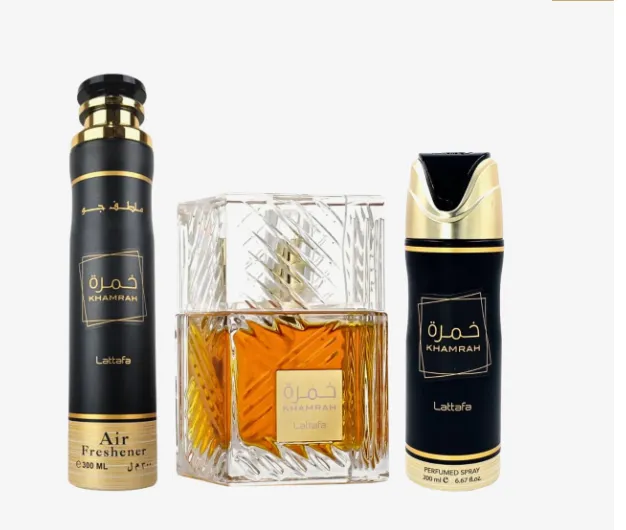
Perfume is a personal accessory that combines different aromas to create a recognisable fragrance. From fresh citrus notes to warm woods and sweet vanilla, every composition offers a different experience. lattafa is a fragrance brand recognised for its varied collection of scents, featuring different ingredients, styles, and bottle designs. Exploring fragrance families can help people understand the differences between floral, woody, oriental, and fresh compositions. Personal preference, occasion, and seasonal conditions may all influence fragrance choices. Learning about scent development also makes it easier to compare product descriptions and discover fragrances that suit individual tastes.
Exploring the Character of a Popular Fragrance
Different perfumes develop through combinations of opening, middle, and base notes. lattafa asad is recognised for its warm, spicy fragrance character, combining contrasting notes to create a layered scent profile. Its composition includes black pepper and pineapple in the opening, followed by coffee, iris, and patchouli. Amber, vanilla, woods, benzoin, and labdanum contribute to its deeper base. These ingredients create a blend of spicy, sweet, earthy, and warm impressions. Understanding the listed notes gives fragrance enthusiasts a useful starting point when exploring its character and comparing it with other perfumes in similar fragrance families.
Understanding Top, Heart, and Base Notes
Fragrance descriptions commonly divide a perfume into three stages. Top notes create the first impression and are usually noticeable shortly after application. These may include citrus, aromatic herbs, or light fruity ingredients. Heart notes become more prominent as the opening develops, helping establish the perfume's central character. Floral, spicy, and herbal ingredients often appear in this stage. Base notes provide depth and form the lasting foundation of the composition. Woods, amber, musk, and vanilla are frequently used for this purpose. These stages gradually blend together, creating a fragrance that can change noticeably from its initial impression.
The Importance of Fragrance Families
Fragrances are often grouped according to their dominant characteristics. Floral perfumes commonly feature rose, jasmine, or other flower-inspired aromas. Fresh compositions may include citrus, aquatic, and green notes that create a lighter impression. Woody fragrances use ingredients such as cedarwood, sandalwood, and vetiver, while spicy compositions may contain pepper, cinnamon, or cardamom. Oriental-style fragrances frequently combine warm resins, sweet ingredients, spices, and woods. These categories help shoppers understand product descriptions and identify scents they may enjoy. However, many modern perfumes combine several families, making individual compositions more complex than a single category suggests.
Choosing and Caring for Perfume
Selecting a fragrance involves considering personal taste, scent intensity, and the setting in which it may be worn. Sampling a perfume before purchasing can provide a clearer impression because its character develops over time. Storage also matters when maintaining fragrance quality. Bottles should generally be kept away from direct sunlight, excessive heat, and sudden temperature changes. Keeping the original packaging can provide additional protection from light. Product labels and seller information should be checked when shopping, particularly when authenticity matters. With careful consideration of scent notes, presentation, and storage, fragrance enthusiasts can explore different compositions with greater confidence.
Related Reading
Why Lifestyle & Culture is Transforming the Global Industry Landscape
Welcome to our in-depth exploration of Lifestyle & Culture. In an era define...
Expert Insights: Navigating the Complex World of Lifestyle & Culture
Welcome to our in-depth exploration of Lifestyle & Culture. In an era define...