How Flooring Colour Changes Over Time: The Truth About Oak Ageing
95 Views
Building your home, getting the interiors done, setting up the lights – oh, such a dream come true family moments. Everything feels cheerful and positive, as somehow things got done and fell into place, right? Well, this joy is the feeling that every person feels when they step for the first time inside their own home. But how was all this done? The problems and confusions you faced are what make this journey worth remembering.
Among the several types of confusion that you will face, the most common is the flooring. Flooring is quite complicated because it covers the largest area of your house. It therefore becomes critical that you choose the flooring wisely, as that is going to make a huge difference in the ambience of your home.
The Uncomfortable Truth About Wood Flooring
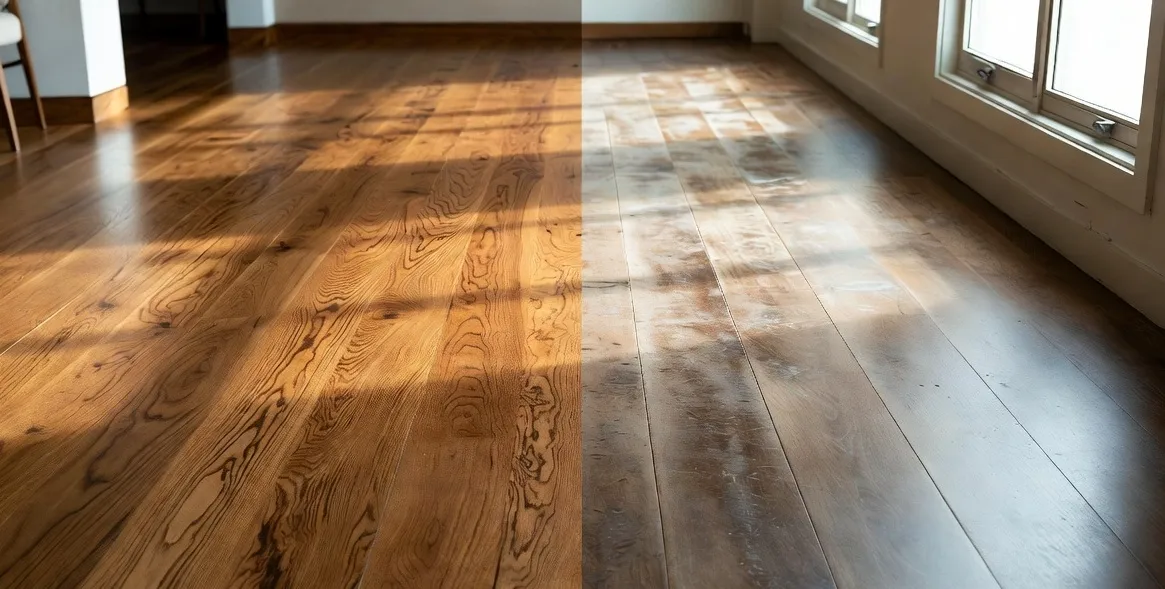
Let us first understand an uncomfortable truth, which is that the flooring that you got installed today won’t look the same after 5-10 years. Yes, synthetic flooring may look the same, but real or engineered wood will change as it ages. For example, if you are opting for the solid or engineered oak herringbone flooring, they will evolve as they age, and the outcome depends on several factors, like exposure to sunlight, daily use, air quality, and even the type of finish applied, which can all influence how the colour develops over time.
These questions might give rise to several types of thoughts in your mind, like “Will my oak floor get darker?”, “Why does my flooring look different from the sample?”, or “Does engineered oak flooring change colour as it ages?” – and you are totally not alone in questioning these. These are a few very common questions that almost every homeowner has in mind, and today we are going to explore these questions and find answers to them in the article.
Does Oak Flooring Change Colour Over Time?
A basic and direct answer to this question is, yes. Most of the wood floorings change colour, and when it comes to the oaks, they certainly do change colour irrespective of whether they are solid wood or engineered wood. This process by which the wooden flooring changes colour is called ageing, maturation, or patination. If you see this happening, do not consider the flooring to be of poor quality. This is the nature of wood flooring and, in fact, the most praised feature of the wooden flooring, which several homebuyers praise.
The artificial or the synthetic flooring remains the same irrespective of time and season, but herringbone engineered oak flooring or the solid oak flooring consists of the natural wood and, therefore, reacts to its environment. Ultraviolet (UV) light from the sun interacts with the natural tannins and pigments in the wood, gradually altering its colour. Depending on the original shade and finish, oak may become slightly darker, warmer, richer, or more uniform over time.
Why Does Oak Flooring Age Differently from Other Flooring Types?
Oak ages differently when compared to other flooring options, and this might bring you to a question: “Why does the oak flooring, after all, age differently?” One major reason for this change is that every plank is unique. Any laminate or vinyl alternative simply cannot perfectly replicate the characters created by the natural wood, such as patterns, knots, mineral streaks, and colour variations.
Below are a few important factors that contribute to the ageing of solid or engineered flooring, particularly oak flooring, and consequently lead to changes in its colour:
- Exposure to natural sunlight
- Amount of direct UV radiation entering the room
- Type of finish applied to the flooring
- Original colour and tone of the oak
- Room temperature and humidity levels
- Daily wear and foot traffic
- Placement of rugs and furniture
Why Does Sunlight Have Such a Big Impact?
If you have placed a carpet or anything as such on the floor in a certain area, you will be able to see a visible difference after a few years. The area underneath may appear noticeably lighter or darker than the surrounding floor. This happens because the UV light changes the colour of the flooring, and the area below the carpet most often remains almost the same.
If your house has large south-facing windows or extensive glazing, you can generally expect more noticeable colour development in the first few years.
Summing Up
To sum up, the ageing of wooden flooring is a natural phenomenon, and when exposed to direct sunlight or other environmental factors, wood, being a natural material, responds swiftly to these changes. This does not change the quality or durability of the flooring; it's just a slight change in the colour, as your flooring has beautifully aged.
Related Reading
Expert Insights: Navigating the Complex World of Home Improvement
Welcome to our in-depth exploration of Home Improvement. In an era defined by ra...
Why Home Improvement is Transforming the Global Industry Landscape
Welcome to our in-depth exploration of Home Improvement. In an era defined by ra...