How Flooding Can Affect Electrical Systems and Household Safety in Brighton Homes
5 Views
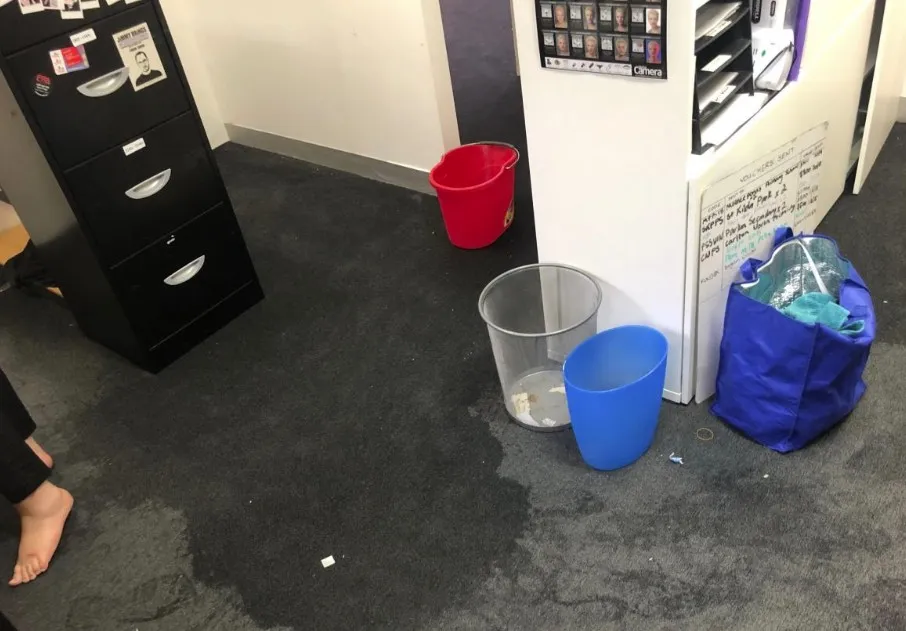
Water entering a home can create problems that extend well beyond damaged walls, carpets and furniture. One of the most serious concerns is the potential impact on electrical systems, appliances and household safety. For property owners, understanding when to arrange flood restoration Brighton services is important for addressing water damage and identifying risks that may not be immediately visible.
Why Water Exposure Creates Electrical Risks
Water and electricity are a dangerous combination. When floodwater reaches power outlets, electrical wiring, switchboards or connected appliances, it can create a risk of electric shock, short circuits and equipment failure.
Even after standing water disappears, electrical components may remain exposed to moisture. Dampness inside wall cavities, electrical fittings and concealed wiring can create problems that are difficult to identify through a visual inspection.
Homeowners should never attempt to operate or inspect electrical equipment in flooded areas. If water has reached electrical installations, a licensed electrician should assess the situation before power is restored.
Household Items That May Be Affected by Floodwater
Flooding can damage a wide range of household possessions, and the extent of the damage depends on the type of water and how long items remain exposed.
Electrical appliances: Refrigerators, washing machines, televisions and computers may become unsafe if water reaches internal components. Appliances exposed to floodwater should not be switched on until appropriately assessed.
Upholstered furniture: Sofas, mattresses and fabric chairs can absorb moisture deeply. Drying the outer surface does not necessarily remove moisture trapped inside foam and internal padding.
Wooden furniture: Cabinets, dining tables and timber storage units may swell, warp or develop surface damage following prolonged water exposure.
Personal documents: Photographs, certificates, books and important paperwork can deteriorate quickly when soaked. Separating and protecting salvageable documents may help limit further damage.
Stored belongings: Items kept in garages, cupboards and ground-floor storage spaces may be particularly vulnerable when water enters unexpectedly.
The Hidden Impact on Walls and Internal Structures
Floodwater can travel through more than the visible areas of a room. It may enter wall cavities, insulation, skirting boards and ceiling spaces, depending on the location and severity of the incident.
Plasterboard can absorb moisture and lose strength when exposed to significant water damage. Insulation may also retain water, making effective drying difficult. Timber framing and other building components should be checked where prolonged moisture exposure has occurred.
A professional assessment can help establish which materials can be dried and which may require removal or replacement.
How to Prepare Important Areas of Your Home
Although unexpected flooding cannot always be prevented, a few practical precautions can help reduce potential losses.
-
Keep important documents and valuables in elevated storage areas.
-
Avoid placing expensive electrical equipment directly on the floor.
-
Store essential household items in waterproof containers where practical.
-
Know where the main electrical switchboard is located.
-
Maintain roof drainage and external stormwater outlets.
-
Keep an updated record of valuable household possessions for insurance purposes.
These measures can make it easier to protect belongings and respond more effectively when water enters a property.
What Happens During the Restoration Process?
Once a property has been declared safe to enter, the restoration process can begin with an assessment of the affected areas.
Standing water may need to be extracted using suitable equipment. A moisture assessment can then help identify affected walls, flooring and other building materials. Depending on the findings, restoration work may involve air movers, commercial dehumidifiers and targeted structural drying.
Damaged household materials may require separate cleaning, assessment or replacement. Electrical repairs and safety checks should remain the responsibility of appropriately qualified electrical professionals.
The aim is to address both visible damage and moisture that may remain within concealed building areas.
Protecting Brighton Properties After a Flooding Incident
Flooding can disrupt everyday life and affect several parts of a home at once. Electrical safety, damaged possessions and moisture inside building structures all require careful attention. Taking the correct precautions and arranging an appropriate assessment can help homeowners make informed decisions about repairs and restoration.
Flood Restoration Melbourne (FRM) provides water extraction, carpet drying and structural drying services for homes and businesses affected by water damage. Prompt professional assistance can help identify moisture-affected areas and determine the work needed to support the property's recovery.
Related Reading
Expert Insights: Navigating the Complex World of Home Improvement
Welcome to our in-depth exploration of Home Improvement. In an era defined by ra...
Why Home Improvement is Transforming the Global Industry Landscape
Welcome to our in-depth exploration of Home Improvement. In an era defined by ra...