How Fire Protection Engineering Can Reduce Fire Risks in Industrial and Commercial Buildings
23 Views
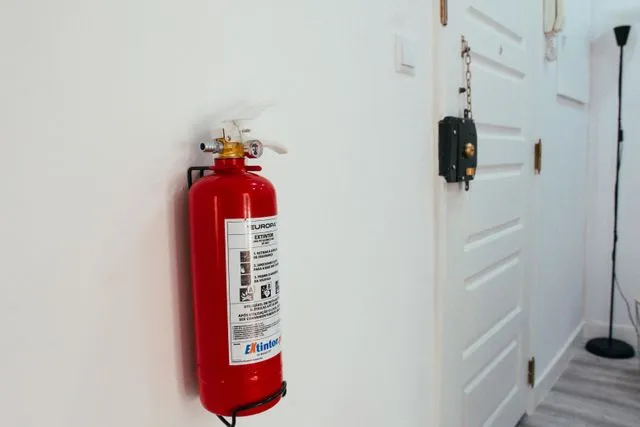
Fire is one of the most serious hazards faced by industrial and commercial buildings. A fire can spread rapidly, damage expensive equipment, interrupt business operations, destroy valuable inventory, and put employees and visitors at significant risk. While fire extinguishers and alarms are important components of fire safety, effective protection requires a much more comprehensive approach.
This is where fire protection engineering plays an important role. It combines engineering principles, risk assessment, building design, fire detection, suppression systems, emergency planning, and applicable safety requirements to create a coordinated strategy for protecting people and property.
For industrial facilities, warehouses, offices, manufacturing plants, shopping centers, and other commercial buildings, a properly designed fire protection strategy can significantly reduce the likelihood of major fire-related losses.
What Is Fire Protection Engineering?
Fire protection engineering is the application of science and engineering principles to prevent fires, detect them at an early stage, control their spread, and protect occupants and property.
Rather than relying on a single fire safety product or system, fire protection engineering considers how different measures work together. These may include fire detection and alarm systems, fire hydrant networks, automatic sprinklers, fire pumps, emergency exits, smoke management systems, passive fire protection, fire-resistant construction, and emergency response procedures.
A well-designed system begins with understanding the specific risks associated with a building. An office building, chemical manufacturing facility, warehouse, and retail center all have different fire hazards. Their protection requirements therefore cannot be identical.
Identifying Fire Hazards Before They Become Incidents
One of the most important benefits of engineering-based fire protection is the ability to identify potential hazards before an incident occurs.
Industrial and commercial facilities can contain numerous sources of ignition and combustible materials. Electrical equipment, machinery, flammable liquids, combustible packaging, stored goods, heating systems, and production processes can all contribute to fire risk.
A professional assessment considers factors such as:
-
The type and quantity of combustible materials
-
Potential ignition sources
-
Building size and layout
-
Occupancy and number of people
-
Storage arrangements
-
Manufacturing or operational processes
-
Electrical installations
-
Ventilation and air movement
-
Access for emergency responders
-
Existing fire protection systems
Understanding these factors allows engineers to develop protection measures that address the actual risks of a facility rather than relying on generic solutions.
Designing Fire Detection and Alarm Systems
Early detection can make a significant difference during a fire. The sooner a fire is identified, the more time occupants have to evacuate and the faster emergency teams can respond.
Fire alarm and detection systems may include smoke detectors, heat detectors, manual call points, alarm notification devices, and control panels. Depending on the building and its activities, specialized detection technologies may also be appropriate.
The placement and selection of detection devices should be based on the characteristics of each area. For example, a manufacturing environment with dust, heat, or fumes may require different detection methods than a conventional office.
An engineered approach also considers alarm coverage, audibility, visibility, system zoning, emergency communication, and integration with other building safety systems.
Protecting Buildings With Fire Hydrant and Suppression Systems
Detection is only one part of fire protection. Once a fire is identified, suitable suppression and firefighting systems can help control it before it becomes a major incident.
Fire hydrant systems are commonly used in larger industrial and commercial buildings to provide a reliable supply of water for firefighting operations. Their effectiveness depends on appropriate hydraulic design, water availability, piping arrangements, pump capacity, pressure requirements, and the building's fire risk.
Automatic sprinkler systems can provide another important layer of protection. Sprinklers can activate when exposed to sufficient heat and help control or suppress a fire in its early stages.
The appropriate suppression system depends on the nature of the facility. Different environments may require different approaches based on occupancy, storage height, materials, equipment, and potential fire behavior.
The Importance of Fire Pump and Water Supply Design
A fire protection system is only as effective as its ability to deliver the required water when it is needed.
Fire pumps, water storage tanks, piping networks, valves, and related equipment therefore need to be properly selected and coordinated. Hydraulic calculations help determine whether the system can deliver adequate flow and pressure to the required locations.
Poorly designed piping or insufficient water pressure can reduce the effectiveness of firefighting systems during an emergency.
For this reason, engineering calculations and system design should be considered during the early stages of a building project rather than being treated as an afterthought.
Improving Building Evacuation and Life Safety
Fire protection engineering is not limited to firefighting equipment. Protecting people is one of its most important objectives.
During a fire, smoke can become a major threat even before flames reach an area. Safe evacuation therefore requires appropriate exit routes, emergency lighting, signage, fire doors, compartmentation, and other life-safety measures.
Building layouts should allow occupants to reach safe areas quickly. Emergency exits should remain accessible, clearly marked, and free from obstructions.
Fire safety planning should also account for people who may require additional assistance, including visitors unfamiliar with the building, individuals with disabilities, and employees working in isolated areas.
Using Passive Fire Protection to Limit Fire Spread
Active systems such as alarms, hydrants, and sprinklers are essential, but passive fire protection provides another critical layer of defense.
Passive measures are incorporated into the building itself and are designed to slow the movement of fire and smoke. Examples include fire-rated walls, floors, doors, barriers, fire stopping, and protected structural elements.
Compartmentation can help prevent a fire from quickly spreading from one part of a building to another. This can provide occupants with additional evacuation time and help emergency responders control the incident.
Maintaining the integrity of fire-rated compartments is particularly important when buildings undergo renovations or when new electrical, plumbing, HVAC, or communication services are installed.
Supporting Industrial and Commercial Business Continuity
A major fire can affect a company long after the flames have been extinguished. Production may stop, equipment may require replacement, inventory may be lost, and employees may be unable to work.
For manufacturing and logistics businesses, even a short interruption can create significant operational and financial consequences.
Effective fire protection can therefore contribute to business continuity. By reducing the probability of uncontrolled fire and limiting damage when an incident occurs, properly designed systems can help organizations recover more quickly.
This is especially important for facilities containing high-value machinery, critical infrastructure, large inventories, or processes that are difficult to relocate.
Compliance and Standards
Fire protection systems should be designed with applicable building regulations, fire safety requirements, and recognized technical standards in mind.
Compliance is important not only because it may be legally required, but also because established standards provide structured approaches to system design, installation, testing, and maintenance.
However, compliance alone should not be viewed as the final goal. A building can meet minimum requirements while still having vulnerabilities that deserve attention.
A stronger approach combines regulatory compliance with a practical assessment of the building's specific hazards, occupancy, operations, and potential fire scenarios.
Working with experienced Fire Protection Engineering Consultants can help organizations evaluate these factors and develop systems that are appropriately matched to their facilities.
Regular Testing and Maintenance Matter
Even a well-designed fire protection system can become ineffective if it is not properly maintained.
Fire alarms need to be tested. Fire pumps require inspection and servicing. Hydrant and sprinkler systems should be checked for proper operation. Emergency exits must remain accessible, and fire extinguishers need to be inspected and maintained.
Changes to a building can also introduce new risks. Adding machinery, changing storage arrangements, increasing occupancy, or modifying production processes may affect the original fire protection strategy.
Regular inspections and fire safety assessments help identify such changes before they create serious vulnerabilities.
Why Fire Protection Should Be Considered During Building Design
One of the most effective ways to improve fire safety is to incorporate it into the building design from the beginning.
When fire protection is considered during the planning stage, engineers can coordinate fire water requirements, pump rooms, pipe routes, equipment locations, emergency exits, fire compartments, and access requirements with the overall building layout.
Retrofitting systems after construction can be more complicated and expensive. Space limitations, structural constraints, existing services, and operational requirements can make modifications difficult.
Early coordination can therefore improve both safety and project efficiency.
A Comprehensive Approach Creates Better Protection
No single fire safety system can eliminate every risk. Effective protection comes from combining multiple layers of defense.
A comprehensive strategy may include:
-
Fire risk identification and assessment
-
Early fire detection
-
Reliable alarm and emergency communication systems
-
Properly designed hydrant and sprinkler systems
-
Adequate fire water storage and pumping capacity
-
Passive fire protection and compartmentation
-
Safe evacuation routes
-
Emergency lighting and signage
-
Regular inspection and maintenance
-
Employee training and emergency preparedness
Each layer serves a different purpose. Together, they can help prevent fires, detect them early, slow their spread, support firefighting operations, and protect occupants.
Conclusion
Fire protection engineering is an essential part of creating safer industrial and commercial buildings. It goes beyond installing fire extinguishers or alarms by addressing the complete fire safety lifecycle—from identifying hazards and designing protection systems to supporting evacuation, emergency response, maintenance, and business continuity.
For building owners and facility managers, investing in a properly planned fire protection strategy can reduce potential losses and create a safer environment for employees, customers, visitors, and valuable assets.
The most effective approach is proactive rather than reactive. By identifying risks early, selecting appropriate protection systems, coordinating fire safety with building design, and maintaining those systems throughout the facility's operational life, organizations can significantly improve their ability to prevent and manage fire emergencies.
Ultimately, good fire protection engineering is not simply about responding to a fire. It is about designing buildings and systems so that when a fire occurs, the consequences can be controlled as effectively as possible.
Related Reading
Top 10 Hidden Secrets About Business & Finance You Need to Know
Welcome to our in-depth exploration of Business & Finance. In an era defined...
Why Business & Finance is Transforming the Global Industry Landscape
Welcome to our in-depth exploration of Business & Finance. In an era defined...