How Families Can Support a Loved One Through Addiction Recovery
143 Views
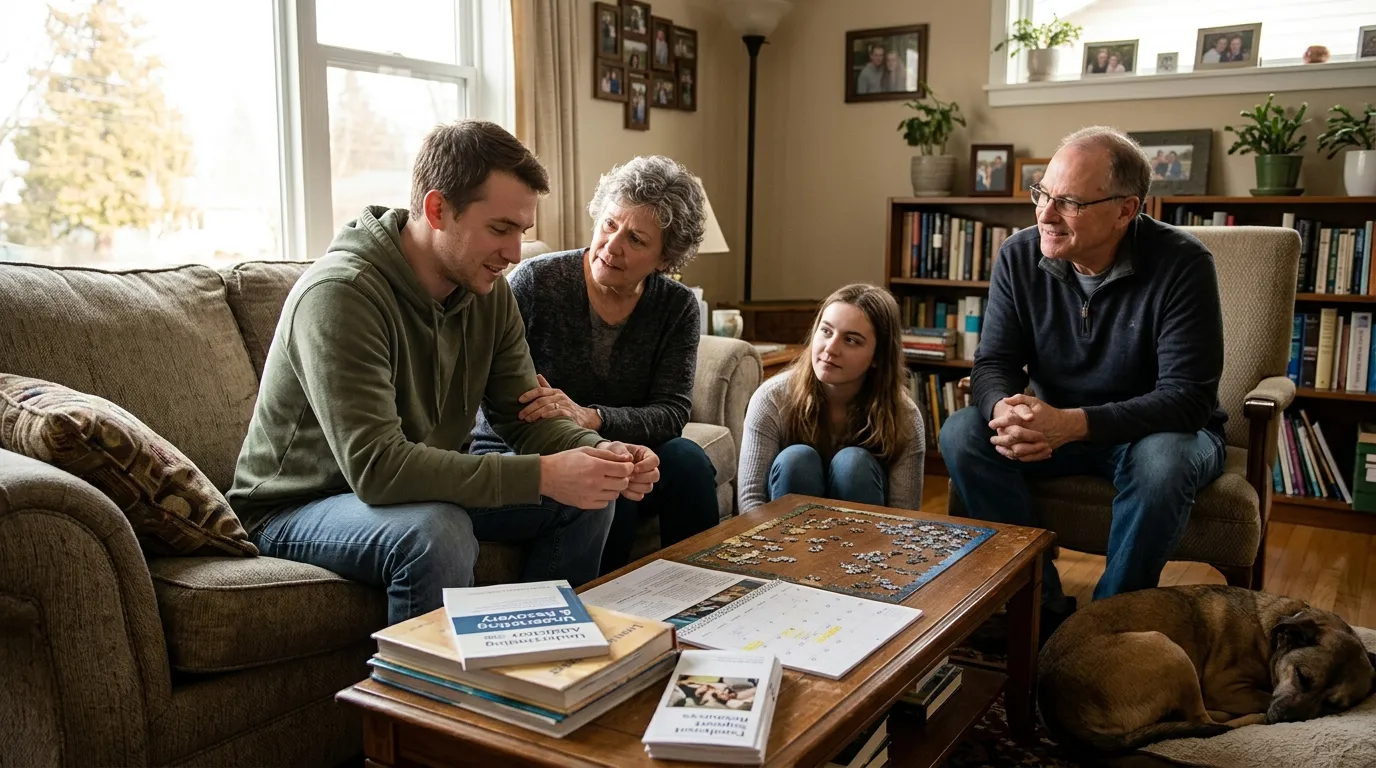
Addiction recovery does not only affect one person. Families experience the emotional stress, uncertainty, and challenges that come with substance use disorders too. Recovery often becomes stronger when loved ones provide healthy support, encouragement, and stability during the healing process.
Still, supporting someone through recovery can feel confusing. Many families want to help but do not know what to say, what to avoid, or how to set healthy boundaries. The good news is that support does not require perfection. It requires patience, education, and consistency.
Why Family Support Matters in Recovery
Recovery becomes easier when people feel understood and supported. Healthy family involvement can improve emotional stability, reduce isolation, and encourage accountability.
According to the Substance Abuse and Mental Health Services Administration (SAMHSA), strong support systems often improve recovery outcomes and help individuals maintain long-term sobriety.
Supportive families can help by:
- Encouraging treatment participation
- Creating a stable environment
- Reducing stress and conflict
- Promoting healthy routines
- Offering emotional support during setbacks
Recovery may involve professional treatment, but emotional support at home often makes a major difference.
Learn About Addiction First
Many people misunderstand addiction. Some still view it as a lack of willpower or poor decision-making alone. In reality, addiction is a complex medical condition that affects brain function, behavior, and emotional regulation.
The National Institute on Drug Abuse (NIDA) explains that substance use disorders change how the brain handles reward, stress, and self-control.
When families learn about addiction, they often communicate more effectively and respond with greater empathy.
Education also helps families avoid harmful myths like:
- “They can stop anytime they want.”
- “Recovery should happen quickly.”
- “Relapse means treatment failed.”
Recovery takes time. Progress usually happens step by step, not overnight.
Encourage Treatment Without Force
Families often feel desperate to “fix” the situation quickly. That reaction comes from love, but pressure and constant criticism can sometimes push people away from treatment.
Healthy encouragement works better than control.
Instead of saying:
- “You are ruining everything.”
Try:
- “We care about you and want to help you get support.”
Calm and respectful conversations usually create better outcomes than blame or anger.
Professional programs like the Fairland Recovery Center Outpatient Program provide structured care while allowing individuals to continue managing work, family, and daily responsibilities.
Set Healthy Boundaries
Supporting recovery does not mean accepting harmful behavior. Boundaries protect both the individual in recovery and the family.
Healthy boundaries may include:
- Refusing to provide money for substances
- Avoiding arguments during emotional situations
- Protecting children from unsafe environments
- Encouraging accountability
- Limiting enabling behaviors
Boundaries are not punishments. They create stability and encourage responsibility.
Think of boundaries like guardrails on a highway. Nobody enjoys hitting them, but they help prevent bigger crashes.
Avoid Enabling Behaviors
Families sometimes unintentionally support addiction by trying to reduce immediate consequences.
Examples of enabling may include:
- Covering up substance use
- Making excuses for behavior
- Paying legal fines repeatedly
- Ignoring dangerous actions
- Taking over personal responsibilities completely
These actions often come from fear or love, but they may delay recovery.
The National Alliance on Mental Illness (NAMI) encourages families to focus on support without removing accountability.
Helping someone recover and protecting them from every consequence are not the same thing.
Practice Healthy Communication
Addiction can damage trust and communication within families. Recovery creates an opportunity to rebuild healthier conversations.
Helpful communication habits include:
- Listening without interrupting
- Staying calm during disagreements
- Avoiding insults or shame-based language
- Speaking honestly and clearly
- Focusing on solutions instead of blame
Words matter during recovery. Small changes in communication can reduce tension and improve trust over time.
Families should also understand that rebuilding trust takes patience. Recovery is a process, not a single moment.
Support Mental and Emotional Healing
Recovery involves more than physical sobriety. Many individuals also struggle with anxiety, depression, trauma, guilt, or shame.
According to the American Psychological Association (APA), emotional support and therapy often play important roles in long-term recovery success.
Families can support emotional healing by:
- Encouraging therapy participation
- Supporting healthy routines
- Celebrating progress
- Being patient during emotional ups and downs
- Avoiding constant judgment about past mistakes
Recovery can feel emotionally exhausting at times. Encouragement helps people stay motivated when challenges appear.
Take Care of Yourself Too
Families often focus entirely on their loved one and forget their own emotional health. That approach usually leads to burnout, stress, and frustration.
Self-care is not selfish.
Family members benefit from:
- Counseling or therapy
- Support groups
- Exercise and healthy routines
- Stress management
- Time for personal hobbies and relationships
Groups like Al-Anon and family therapy programs can provide guidance for loved ones navigating addiction recovery.
A healthier support system often creates a healthier recovery environment overall.
Prepare for Setbacks Without Losing Hope
Recovery rarely follows a perfect straight line. Some individuals experience setbacks or relapse during the process.
That does not mean recovery failed.
The Centers for Disease Control and Prevention (CDC) recognizes addiction as a chronic health condition, similar to other long-term medical illnesses that may involve recurring challenges.
Families should respond to setbacks with calm action instead of panic or shame.
Helpful steps may include:
- Encouraging re-engagement with treatment
- Reviewing relapse triggers
- Rebuilding structure and support
- Maintaining healthy boundaries
- Focusing on long-term progress
Recovery success often comes from persistence, not perfection.
Building a Stronger Future Together
Addiction recovery affects the entire family, but healing can strengthen relationships over time. Many families develop healthier communication, deeper trust, and stronger emotional connections during the recovery journey.
Support does not require having all the answers. It requires consistency, patience, and willingness to grow together.
At Fairland Recovery Center, individuals and families receive evidence-based support designed to promote long-term healing, emotional wellness, and sustainable recovery.
Final Thoughts
Families play a powerful role in addiction recovery. Healthy support, clear boundaries, and compassionate communication can help loved ones stay motivated throughout treatment and beyond.
Recovery may involve difficult moments, but long-term healing becomes possible when families work together with professional guidance and emotional understanding.
For those seeking structured, compassionate care, Fairland Recovery Center’s Intensive Outpatient Program offers personalized treatment options that support both individuals and families through every stage of recovery.