How Elegant Scarves Add a Timeless Touch to Personal Style
By lomora
22 Views
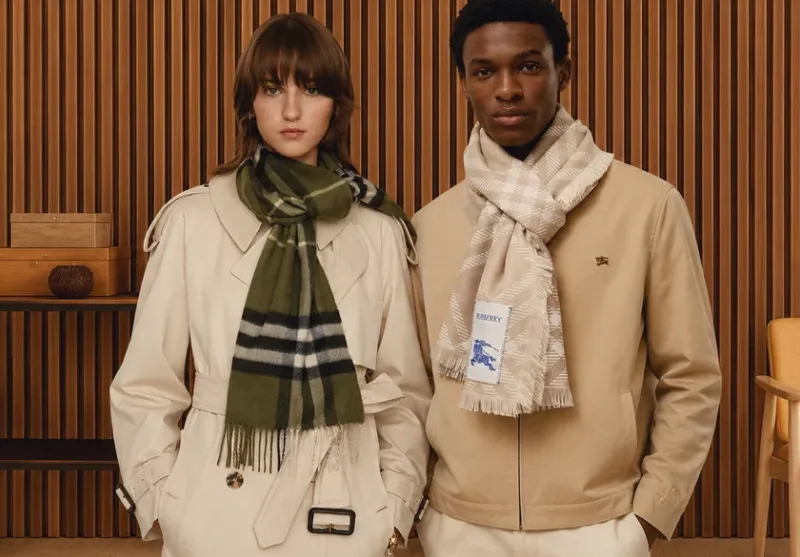
Scarves have long been valued as fashion accessories because they combine decorative appeal with practical use. Different fabrics, colours, and patterns allow people to choose designs that complement their clothing and personal preferences. A carefully selected luxury scarf can introduce texture, colour, and an interesting finishing detail to an outfit. Some styles feature subtle patterns, while others use recognisable motifs and decorative borders. Material also influences the overall appearance, with wool, silk, and cashmere offering different textures. Exploring these details helps people understand scarf designs and select accessories that suit different seasons, occasions, and individual fashion choices.
The Recognisable Appeal of Design Patterns
Fashion scarves often feature patterns that reflect the creative identity of a particular brand. gucci scarf designs are known for exploring different colours, motifs, and signature-inspired details. Some styles include repeating patterns, while others feature larger prints, decorative borders, or simpler arrangements. These design choices create variety within scarf collections and offer different styling possibilities. Pattern placement can also influence the appearance of an accessory. Smaller motifs may create a subtle finish, whereas larger graphics can become a noticeable part of an outfit. Understanding these elements makes it easier to compare different scarf designs and appreciate their visual character.
Exploring Different Scarf Materials
The material used in a scarf affects its texture, weight, and suitability for different weather conditions. Wool is commonly chosen for its warmth and traditional appearance, making it useful during colder months. Cashmere is appreciated for its soft texture and lightweight warmth. Silk offers a smooth surface and elegant drape, while cotton provides a versatile option for everyday use. Some scarves combine different fibres to create particular textures and finishes. Checking the fabric composition is important when comparing products because appearance alone does not reveal how a scarf will feel. Care instructions can also vary depending on the material.
Colours and Patterns in Modern Fashion
Colour and pattern play important roles when choosing a scarf. Neutral shades such as beige, black, cream, grey, and brown can coordinate with many outfits. Brighter colours, including red, green, and blue, can introduce contrast and visual interest. Traditional patterns, monograms, geometric shapes, and floral prints each create a different effect. Some people prefer understated designs that complement their clothing, while others choose noticeable prints as a central accessory. Considering the colours already present in a wardrobe can make selection easier. A balanced combination helps the scarf complement an outfit without making the overall appearance feel crowded.
Styling Scarves for Different Occasions
Scarves can be worn in several ways depending on their size, fabric, and design. A lightweight silk scarf can be folded neatly around the neck or styled loosely with a shirt or jacket. Larger wool and cashmere scarves can be draped over coats for additional warmth. Patterned accessories may work well with plain clothing, while simpler scarves can complement outfits that already contain detailed prints. Scarves can also be styled with knitwear, formal coats, and casual jackets. There are no strict rules for wearing them, so comfort and personal preference should guide the final combination.
Understanding Quality and Craftsmanship
When comparing scarves, it is useful to examine their fabric, stitching, edges, and overall construction. Carefully finished edges can contribute to a neat appearance, while woven and printed patterns may create different surface textures. Fringed ends, decorative borders, and embroidered details can also influence the design. Product labels and descriptions provide information about materials and care requirements. When purchasing branded accessories, checking seller information and authenticity details is particularly important. Clear product photographs can help shoppers examine visible features, but written specifications should also be reviewed. These steps support informed decisions and help buyers understand the item they are considering.
Caring for Scarves Properly
Good care can help maintain a scarf's appearance and fabric quality. Cleaning instructions should always be checked because wool, cashmere, silk, and cotton may require different methods. Some delicate materials may need professional cleaning, while others can be washed carefully according to their labels. Storing scarves in a clean, dry place helps protect them from dust and unnecessary damage. Avoiding excessive heat and direct sunlight can also help preserve colours and textures. Folding scarves neatly or hanging them appropriately keeps them organised and ready to wear. Following the manufacturer's guidance is a practical approach to long-term care.
Choosing a Scarf That Suits Your Style
Selecting a scarf involves considering several features together, including material, colour, pattern, size, and intended use. Some people prefer versatile neutral designs, while others enjoy distinctive prints and decorative details. Thinking about existing clothing can help identify accessories that will be worn regularly. Seasonal conditions may also influence whether a lightweight or warmer fabric is more suitable. Product descriptions and measurements provide useful information when comparing available options. Ultimately, a suitable scarf should reflect personal taste and offer practical value. Exploring different materials and designs makes it easier to find an accessory that complements individual style.
Related Reading
Why Lifestyle & Culture is Transforming the Global Industry Landscape
Welcome to our in-depth exploration of Lifestyle & Culture. In an era define...
Expert Insights: Navigating the Complex World of Lifestyle & Culture
Welcome to our in-depth exploration of Lifestyle & Culture. In an era define...