How Does Product Type Influence Custom Packaging Design?
24 Views
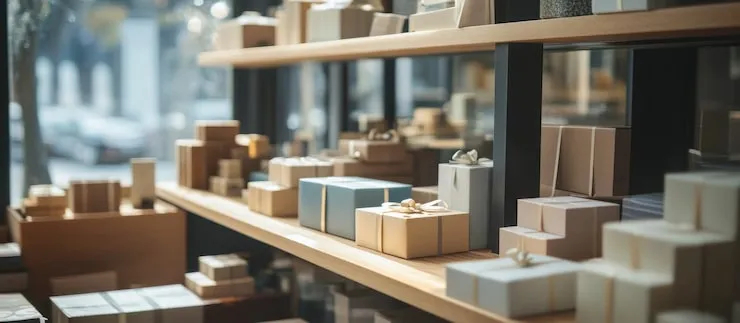
Packaging is not simply a container for a product. It must accommodate the item's physical characteristics, protect it during its journey, and serve its purpose when it reaches a customer. A glass product, a heavy component, and a retail gift set have different requirements, so one standard packaging design may not work equally well for all three.
This is why custom packaging starts with understanding the product rather than choosing a box and adjusting the graphics around it. Product dimensions, weight, fragility, handling conditions, and presentation needs all influence the design. Considering these factors helps businesses develop packaging that performs its intended function while avoiding unnecessary materials and features.
How Do Product Size and Shape Determine Packaging Design?
A product's dimensions and shape establish the space its packaging must accommodate. Standard rectangular items may fit conventional carton formats, but unusually shaped products, protruding components, or products with delicate edges may require a different internal layout.
Packaging that leaves excessive empty space can allow an item to shift during transit. A tight fit, on the other hand, may make packing difficult or damage the product when it is inserted or removed. The design must account for the product's measurements, any accessories, and the space needed for protective elements.
For businesses selling products in multiple sizes, packaging specifications may also need to vary by model or configuration. Clear dimensions, product-specific labels, and documented specifications help production teams select the correct packaging for each item. The goal is a practical fit without unnecessary bulk.
Why Do Fragile Products Need Specialized Internal Support?
Fragile products need packaging that manages impact and limits unwanted movement. Glassware, delicate decorative items, and sensitive components may be damaged when they collide with the package walls or with other items inside the same carton.
Cushioning, fitted inserts, and dividers can help absorb impact or keep delicate items separated during transit. For example, glassware may need individual compartments, while a product with projecting parts may require support around vulnerable areas. The appropriate arrangement depends on the product's shape and the risks it may encounter during handling.
The outer package and its internal supports must work together. A rigid carton cannot compensate for an item that moves freely inside it. Choosing the right arrangement helps businesses use custom packaging to protect the product without relying on a generic layer of filler for every application.
How Does Product Weight Affect Packaging Construction?
Heavy products place different demands on packaging than lightweight goods. Their weight can strain carton bases, weaken closures, or cause walls to deform during lifting and stacking. The challenge is to ensure that the package can support the load while remaining practical to handle.
Material strength, board stiffness, thickness, and structural design all influence performance. However, using a thicker material alone does not guarantee a suitable package. The base, folds, seams, and load distribution also matter, particularly when a product is handled repeatedly or stacked with other packages.
Packaging decisions should therefore account for the product's weight and how people or equipment will move it. A design intended for a small retail item may not suit a dense component, even if both products fit within the same external dimensions.
What Packaging Features Help Organize Products with Multiple Components?
Products sold as kits, sets, or bundles need an internal layout that keeps every component identifiable and accessible. The packaging should reflect how the items relate to one another and how customers are expected to unpack and use them.
Compartments and custom inserts can assign each piece a defined position. They can also separate accessories from the main product and keep instructions or accompanying materials accessible. For a product with several parts, the arrangement should make it clear where each component belongs when the package is opened.
This consideration affects usability and protection. A well-planned interior helps customers identify the contents and retrieve individual pieces without disrupting the rest of the set. It can also make packing more consistent for businesses handling assembled product kits.
How Do Retail Display Requirements Influence Packaging?
Some products need packaging that helps them stand out and communicate information at the point of sale. In these cases, design must account for visibility, shelf placement, graphics, and how customers interact with the package.
A window may allow shoppers to see the product without opening the box. An opening feature may make the item easier to access, while carefully positioned graphics and product information can help customers identify the contents. For custom packaging, select these features based on the product and its retail environment rather than adding them solely for appearance.
Retail display needs can also influence the package's shape and orientation. A design that looks appropriate when viewed from above may not communicate effectively when placed upright on a shelf. Considering how the package will be displayed helps align its structure and printed artwork with its intended purpose.
When Do Products Need Packaging for Special Handling Conditions?
Certain products are sensitive to moisture, humidity, or specific storage conditions, which can influence material selection and determine whether a protective barrier is necessary. The appropriate approach depends on the product's sensitivity, expected storage period, and distribution route. A package suitable for a short journey in controlled conditions may not provide sufficient protection for prolonged storage or exposure to changing environments.
Businesses should identify these requirements when selecting materials and defining packaging specifications. When needed, suitable testing can confirm whether the proposed construction provides the required protection. This prevents material decisions from being based on appearance or general assumptions instead of the product's actual needs.
How Can Custom Packaging Support Environmental Goals?
Environmental considerations should be part of packaging design, but reducing material use cannot come at the expense of essential product protection. A package that uses fewer materials but allows the product to break may create additional waste through damaged goods, replacements, and discarded packaging.
Environmentally friendly packaging involves evaluating material use, product protection, and end-of-life considerations together. Businesses can reduce unnecessary empty space, avoid redundant inserts, and choose materials suited to the product's functional requirements. They should also consider whether the finished package is compatible with the recycling or disposal options available to their customers, rather than judging its environmental suitability by one material choice alone.
Conclusion
Every product has different packaging requirements, shaped by its dimensions, fragility, weight, intended use, and storage conditions. Understanding these needs helps businesses choose a structure and material combination that serves a clear purpose.
Well-planned custom packaging can also support environmental goals by reducing unnecessary material use while maintaining product protection and considering the package's end-of-life options.
Related Reading
Top 10 Hidden Secrets About Business & Finance You Need to Know
Welcome to our in-depth exploration of Business & Finance. In an era defined...
Why Business & Finance is Transforming the Global Industry Landscape
Welcome to our in-depth exploration of Business & Finance. In an era defined...