How Does a Dentist Assess Your Teeth Before Whitening Treatment?
By isoldevoss
2 Views
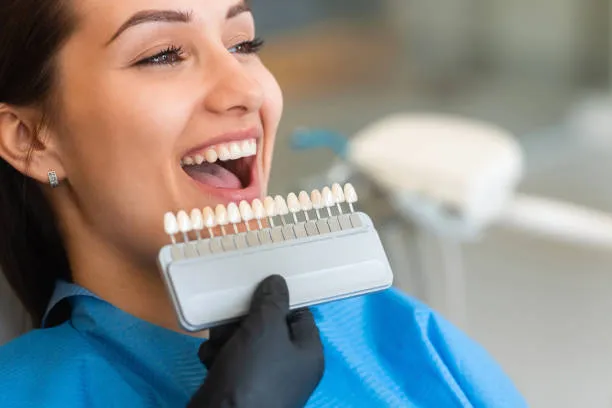
Professional teeth whitening can be an effective way to improve the appearance of a discolored smile, but whitening is not automatically suitable for everyone. Before treatment, a dentist needs to understand why your teeth have changed color, assess the condition of your teeth and gums, and determine whether whitening is likely to produce the results you expect.
A proper assessment is especially important because different types of discoloration respond differently to whitening. Existing dental problems may also need to be addressed before treatment begins. If you are considering Teeth Whitening in Riyadh, understanding what happens during the dental assessment can help you prepare and make an informed decision.
Why Is a Dental Assessment Necessary Before Whitening?
Teeth whitening involves applying bleaching agents to the teeth to reduce certain types of discoloration. Although professional whitening is generally considered safe when appropriately performed, the dentist needs to determine whether your teeth and gums are healthy enough for the procedure.
The assessment also helps identify the likely cause of discoloration. Surface stains from coffee, tea, tobacco, or certain foods may respond differently from discoloration located deeper within the tooth.
Rather than immediately starting whitening treatment, the dentist can use the examination to decide whether whitening is appropriate, whether another treatment may be more suitable, or whether existing dental problems should be treated first.
How Does the Dentist Examine Your Teeth?
The assessment usually begins with a visual examination of your teeth and mouth. The dentist looks for visible signs of decay, cracks, worn enamel, gum problems, existing restorations, and other conditions that could affect whitening.
The dentist may also examine the overall condition of your enamel. Healthy enamel provides a protective outer layer over the underlying dentin. If enamel is significantly worn or damaged, whitening may need to be delayed or approached differently.
This examination is important because whitening does not repair structural dental problems. If a tooth has decay or significant damage, treating the underlying problem may need to come before cosmetic whitening.
What Causes Tooth Discoloration?
One of the most important parts of the assessment is determining why the teeth appear discolored. External staining occurs on the surface of the teeth and can result from beverages such as coffee, tea, and certain foods. Tobacco use can also contribute to noticeable staining.
Age can affect tooth color as well. Over time, enamel can become thinner, allowing more of the naturally darker dentin underneath to show through.
Some discoloration develops inside the tooth. This may be associated with certain medications, dental trauma, developmental conditions, or changes in the tooth itself. Deeper discoloration may not respond to conventional whitening in the same way as surface stains.
Understanding the cause allows the dentist to provide more realistic expectations about the likely outcome.
Does the Dentist Check for Cavities?
Yes. Cavities are an important consideration before whitening. If decay is present, whitening treatment may cause discomfort or sensitivity, particularly if the affected area allows whitening agents to reach more sensitive internal structures.
The dentist may therefore recommend treating cavities before proceeding with cosmetic whitening. This approach helps address the health of the tooth before focusing on its appearance.
A dental examination can also identify areas of weakened enamel or other concerns that may influence how whitening should be performed.
Are the Gums Checked Before Whitening?
The condition of your gums is another important part of the assessment. Healthy gums are generally preferred before cosmetic whitening treatment.
The dentist may look for redness, swelling, bleeding, recession, or signs of gum disease. If the gums are inflamed or irritated, treatment may need to be postponed until the underlying issue has been managed.
Gum recession can also expose areas of the tooth that are more sensitive. This can influence the whitening approach and the level of sensitivity you may experience.
How Does the Dentist Assess Tooth Sensitivity?
Sensitivity is a common concern associated with teeth whitening. During the consultation, the dentist may ask whether you already experience sensitivity when consuming hot, cold, sweet, or acidic foods and drinks.
Existing sensitivity can sometimes indicate an underlying dental issue, such as enamel wear, gum recession, cracks, or exposed dentin. Identifying the cause can help the dentist determine whether whitening is appropriate and how to minimize discomfort.
If you already have sensitive teeth, your dentist may recommend a modified whitening approach or specific products to help manage sensitivity.
Does the Dentist Examine Existing Dental Work?
Whitening treatments affect natural tooth structure, but they do not whiten most dental restorations in the same way. Crowns, veneers, bridges, fillings, and other restorations may retain their existing color.
This is important for people who have visible dental work on their front teeth. If natural teeth are whitened while restorations remain unchanged, a noticeable difference in color may develop.
Your dentist can evaluate existing restorations and discuss how whitening may affect the overall appearance of your smile. In some cases, treatment planning may involve considering replacement or adjustment of restorations after whitening.
How Is the Desired Tooth Shade Discussed?
During the consultation, your dentist may discuss your desired result and assess the current shade of your teeth. Shade guides or photographs may be used to help compare the existing color with potential treatment outcomes.
It is important to understand that the final shade depends on several factors, including the original tooth color, the type of discoloration, enamel characteristics, and the whitening method used.
A dentist can help you establish realistic expectations instead of promising an exact shade that may not be achievable.
Does a Dentist Recommend Dental Cleaning First?
Sometimes a professional dental cleaning may be recommended before whitening, particularly when surface stains, plaque, or tartar are present.
Removing external deposits can give the dentist a clearer view of the natural tooth color. It may also improve the appearance of the teeth even before whitening is performed.
However, cleaning and whitening are different procedures. A cleaning removes plaque, tartar, and certain surface deposits, while whitening is designed to change the color of the teeth.
What Happens If Whitening Is Not Suitable?
Not every type of discoloration responds well to conventional whitening. If the dentist determines that whitening is unlikely to provide the desired result, alternative cosmetic treatments may be discussed.
Depending on the cause and location of discoloration, options such as veneers, bonding, or other restorative treatments may be considered. The appropriate choice depends on the condition of the teeth and the patient's cosmetic goals.
This is one of the main benefits of having a professional assessment. Instead of investing in a treatment that may provide limited improvement, you can understand which option is more appropriate for your specific concern.
Can Whitening Be Performed Immediately After the Assessment?
In some cases, yes. If the dentist finds that your teeth and gums are healthy, the discoloration is suitable for whitening, and there are no concerns that require treatment first, whitening may be performed according to the clinic's protocol.
However, if cavities, gum disease, significant sensitivity, damaged enamel, or other problems are identified, those issues may need to be addressed before cosmetic treatment.
The timing therefore depends on your individual dental health rather than simply your desire to whiten your teeth.
How Should You Prepare for the Consultation?
Before your appointment, consider any previous whitening treatments, dental procedures, sensitivity, medications, and changes in tooth color. Tell your dentist if a particular tooth has recently become darker or if you have experienced pain or sensitivity.
Being open about your dental history can help the dentist make a more accurate assessment and recommend a suitable treatment approach.
Avoid starting multiple whitening products immediately before your professional assessment. Your dentist should be able to evaluate your natural tooth condition without unnecessary irritation from recently introduced products.
Final Thoughts
A dental assessment before whitening is more than a simple check of tooth color. The dentist evaluates your teeth, gums, enamel, sensitivity, existing restorations, and the underlying cause of discoloration before deciding whether whitening is appropriate.
If you are considering Teeth Whitening in Riyadh, a professional assessment can help you understand what results may realistically be achieved and whether any dental concerns should be treated first. This careful approach can make the whitening process safer, more predictable, and better suited to the overall appearance and health of your smile.