How Do Sports Massage and Deep Tissue Massage Differ in Addressing Muscle Tightness?
23 Views
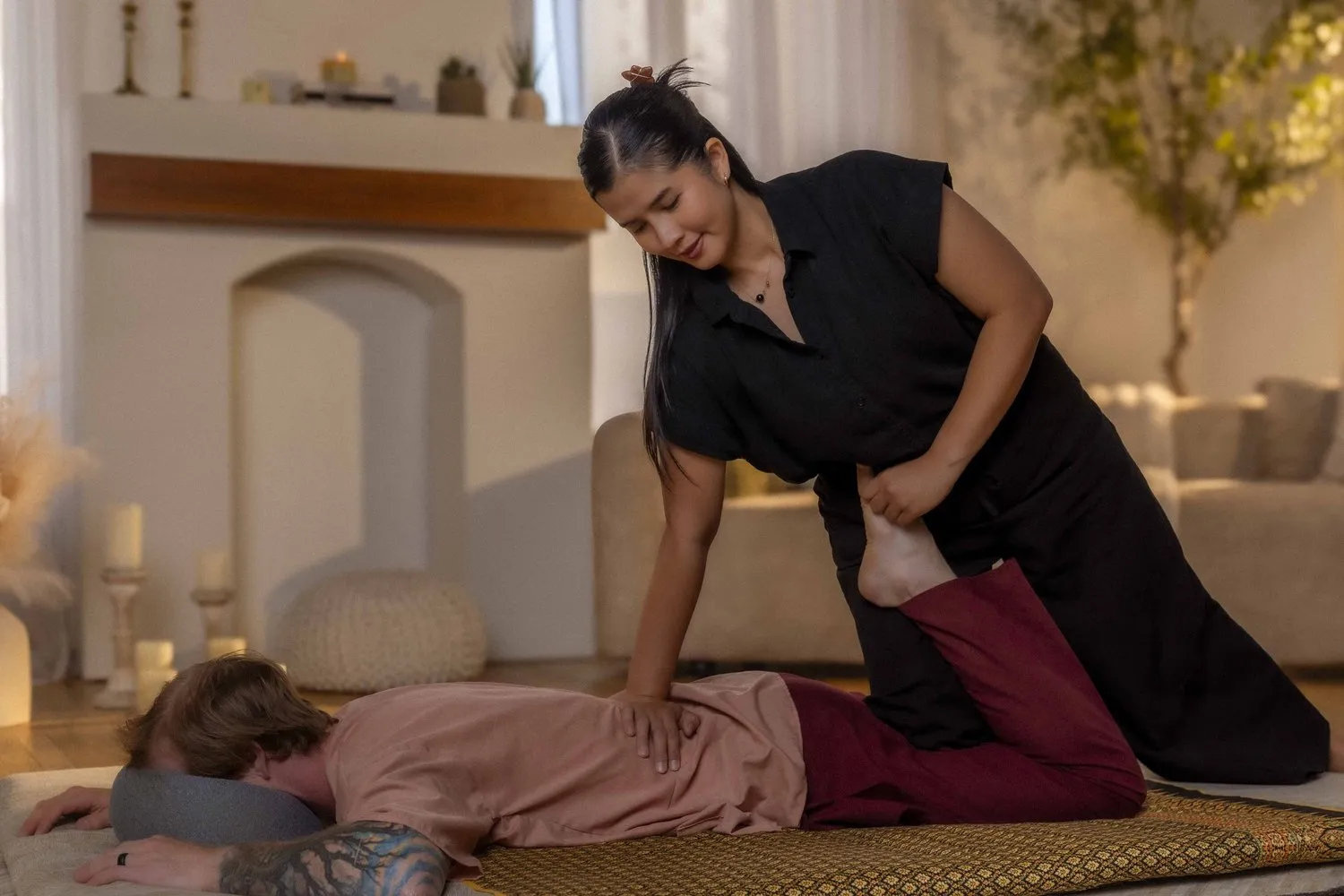
Muscle tightness can affect how you move, exercise, and manage daily tasks. Athletes may feel sore after hard training, while office workers may deal with stiff shoulders or back pain after long hours at a desk. Sports massage and deep tissue massage can help ease muscle tension, but they use different methods to meet different needs.
Understanding sports massage vs. deep tissue massage can help you choose the right treatment for your body, activity level, and recovery goals.
What Is Sports Massage?
Sports massage focuses on the muscles used during exercise and physical activity. It aims to ease muscle tension, improve movement, and support recovery after training. Athletes may use it as part of their care plan, but active people who walk, cycle, lift weights, or work in physical jobs may also benefit.
A therapist may use massage strokes, muscle compression, stretching, and focused pressure. The choice of technique depends on the client's needs and the timing of the session. For example, a runner with tight calves may need focused work on the lower legs. A swimmer may need care around the shoulders and upper back. By working on the muscles used most during an activity, the therapist can help ease stiffness and improve comfort.
How Can Sports Massage Ease Muscle Tightness?
Sports massage targets muscles that carry a heavy workload during exercise. It may help reduce the feeling of soreness and make movement more comfortable after training.
Key benefits include:
● Muscle recovery: Massage may help reduce the feeling of soreness after exercise, although results vary from person to person.
● Better movement: Massage and guided stretching may ease stiffness and help muscles move with greater comfort.
● Activity-based care: A therapist can focus on muscle groups used in a sport or workout.
● Training preparation: Some massage methods may help prepare the body for activity, depending on the timing and pressure.
The treatment should match the person's activity and recovery needs. A session before a sports event may use lighter techniques, while post-workout care may focus on sore areas. Strong pressure is not always needed to get useful results.
What Is Deep Tissue Massage?
Deep tissue massage focuses on deeper layers of muscle and connective tissue. It uses slow strokes and steady pressure to work on areas with ongoing tension. Common treatment areas include the neck, shoulders, back, and hips. People with tight muscles from repeated movements, desk work, or physical jobs may find this approach useful. Active people may also choose it to address areas that remain tense after exercise.
Deep tissue massage is not simply a harder version of a standard massage. The therapist adjusts the pressure to suit the body area and the client's comfort. Painful pressure does not mean the treatment is working better.
What Are the Benefits of Deep Tissue Massage?
The benefits of deep tissue massage may include less muscle tension, better comfort, and easier movement. Results depend on the cause of the tightness, the person's health, and the treatment plan.
This type of massage may help with:
● Ongoing muscle tension: Slow, focused strokes may ease tight areas linked to repeated activity or long periods in one position.
● Neck and shoulder stiffness: Targeted work may help reduce muscle tension linked to desk work or repeated arm movements.
● Back and hip discomfort: A therapist can focus on tight muscle groups that affect daily movement.
● Range of motion: Less muscle tension may help some people move with greater ease.
Some clients may feel tender after a deep tissue session. Tell the therapist if the pressure becomes too strong, and ask for an adjustment if needed. The goal is to work within a safe and manageable level of pressure.
What Is the Main Difference Between Sports and Deep Tissue Massage?
The main difference lies in the goal of the treatment. Sports massage focuses on physical activity, muscle recovery, and movement. Deep tissue massage targets deeper areas of muscle tension, including those linked to repeated movements or long periods of poor posture.
|
Feature |
Sports Massage |
Deep Tissue Massage |
|
Main goal |
Help with activity and recovery |
Ease deeper muscle tension |
|
Main focus |
Muscles used during sport or exercise |
Areas with ongoing tightness |
|
Techniques |
Massage strokes, compression, and stretching |
Slow strokes and focused pressure |
|
Suitable for |
Athletes and active people |
People with persistent muscle tension |
|
Pressure |
Changes based on the treatment goal |
Firm but adjusted to comfort |
There is some overlap between the two treatments. Sports massage may use deep pressure, while deep tissue massage may help people who exercise. Your needs, symptoms, and goals can guide the choice.
How Long Does a Massage Session Take?
A session commonly lasts 90 to 120 minutes, depending on the treatment plan and the client's needs. The therapist may spend more time on one muscle group or work on several areas during the visit.
Before the session, explain where you feel tightness, how long it has lasted, and which movements make it worse. Share details about recent exercise, past injuries, and any health concerns. Clear communication helps the therapist choose suitable methods and adjust the pressure. Stop the treatment and tell the therapist if you feel sharp pain, numbness, or unusual discomfort. Massage should not cause severe pain.
Which Massage Should You Choose?
Choose sports massage if you want to address tension linked to training, improve movement, or manage post-exercise soreness. Deep tissue massage may suit you better if you have ongoing tightness in areas such as the back, neck, or shoulders.
A therapist may also combine techniques to meet your needs. Explain your goals before treatment so you can agree on a suitable plan. However, massage is not a replacement for medical care if you have severe pain, unexplained symptoms, or a new injury.
Final Thought
Sports massage and deep tissue massage can both help ease muscle tightness, but each serves a different purpose. Sports massage focuses on activity and recovery, while deep tissue massage targets deeper areas of tension.
By discussing your symptoms, daily routine, and goals with a trained therapist, you can choose a treatment that suits your body and helps you move with greater comfort.