How Do Personal Injury Attorneys Handle Cases with No Clear Witnesses?
By Thomas Forsyth Bicycle Attorney
86 Views
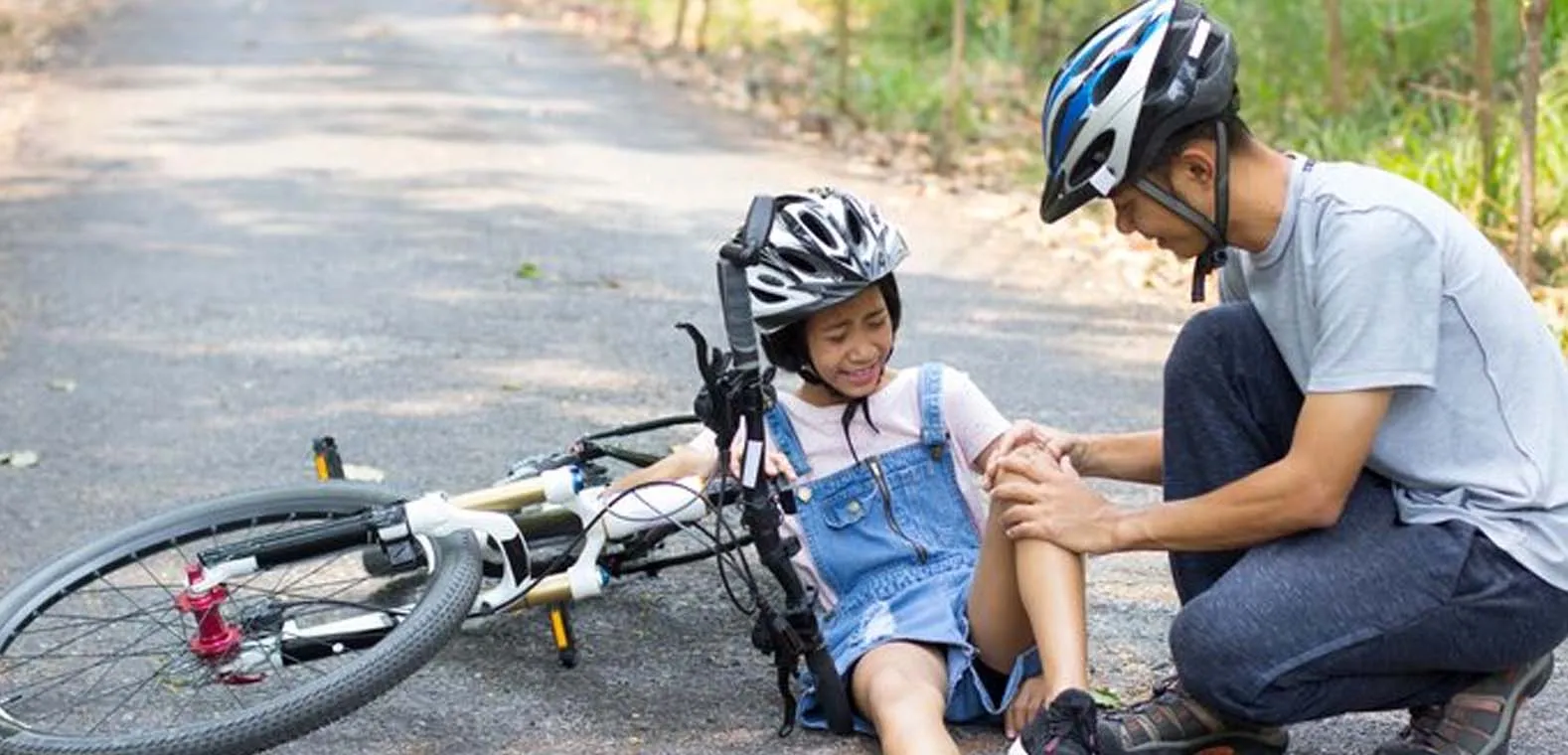
A bicycle accident can leave you with serious injuries, yet sometimes there is no one around who saw exactly what happened. That can make a claim feel like an uphill battle. Still, a case does not automatically fall apart just because there are no clear witnesses. Personal injury attorneys in Berkeley can use other types of evidence to piece together what happened. For cyclists dealing with a crash, a bicycle accident lawyer in Berkeley can review the available facts and build a case around the evidence.
Can You Have a Claim Without Witnesses?
Yes. Witness statements can be helpful, but they are not the only way to prove an accident claim. Many crashes happen on quiet roads, early in the morning, or in areas where no one happens to be watching.
Instead of relying on eyewitness accounts, attorneys may look at the entire picture. This can include the accident scene, vehicle damage, medical records, photographs, videos, and statements made shortly after the crash.
The goal is to create a clear timeline that explains what happened.
Looking Closely at the Accident Scene
The crash site can provide valuable clues. Even when nobody saw the accident, the physical evidence may tell an important story.
An attorney may examine things such as:
- Skid marks or tire marks
- Damage to a bicycle or vehicle
- Broken bicycle parts
- Road conditions
- Traffic signs and signals
- The location where the cyclist fell
Photos can be especially useful. A picture of a damaged bike, road hazard, or vehicle position may help explain how the crash occurred.
A bicycle accident lawyer in Berkeley may also compare the scene with the statements made by the people involved. If the physical evidence does not match one person's story, that difference may become important.
Using Medical Records as Evidence
Medical records can do more than show the cost of treatment. They can also help connect the injuries to the accident.
For example, if a cyclist receives medical care shortly after a crash, the records may document what the person reported and what injuries were found. Follow-up visits can then show how those injuries developed over time.
This can help establish that the injuries were not caused by an unrelated event.
Of course, medical records alone may not prove who caused an accident. However, they can become one important part of the larger case.
Checking for Camera Footage
You may not have a person who witnessed the crash, but there could still be a camera nearby.
Traffic cameras, security systems, doorbell cameras, and cameras outside businesses may capture part of an accident. The footage may not show the entire event. Even a few seconds can sometimes provide useful information about vehicle movement, traffic signals, or the cyclist's position.
The catch is that footage may not be kept forever. Some systems automatically delete old recordings. That is why acting quickly can be important.
Reviewing Police and Accident Reports
Police reports can provide another source of information. Officers may arrive after the crash and document what they see, speak with people at the scene, and record information about the vehicles and injuries.
The report is not necessarily the final word on who was responsible. However, it can provide useful details and point attorneys toward other evidence.
Personal injury attorneys in Berkeley can review the report alongside photographs, medical records, and other information rather than relying on one source alone.
Looking at Phone and Digital Evidence
In some bicycle accident cases, digital records may help answer important questions. For example, phone records could become relevant if distracted driving is suspected.
Other digital information may also help establish timing or location. However, access to some records can require proper legal steps, and not every case will need them.
The point is simple: the lack of an eyewitness does not mean there is no evidence.
Comparing Different Pieces of Evidence
Strong cases are often built by putting several small pieces together. One photograph may not prove much on its own. A medical record may not explain the entire crash. A police report may leave some questions unanswered.
But when these pieces tell the same story, they can become much more powerful.
For instance, a cyclist's account may match the location of bicycle damage, nearby camera footage, and the injuries documented by a doctor. Together, these details can help create a convincing account of what happened.
What If Both Sides Tell Different Stories?
This is where cases without witnesses can become difficult. The driver may blame the cyclist, while the cyclist says the driver caused the crash.
In that situation, attorneys look for objective evidence instead of simply choosing one person's version.
They may compare:
- Vehicle and bicycle damage
- Statements made at the scene
- Photographs and videos
- Traffic conditions
- Road signs and markings
- Medical records
A bicycle accident lawyer in Berkeley can use these details to challenge an account that does not fit the available evidence.
How Comparative Fault May Apply
California follows a comparative fault system. This means more than one person can share responsibility for an accident.
For example, an injured cyclist might be accused of making a traffic mistake, while the driver may also have failed to act carefully. The amount of compensation can be reduced according to the cyclist's share of fault.
This makes evidence even more important. Without a clear witness, attorneys need to carefully show why the other party should carry the appropriate share of responsibility.
Why Legal Guidance Can Help
A case without witnesses may require more investigation than a straightforward accident claim. There may be no single piece of evidence that answers every question.
Instead, attorneys need to connect the dots. They may gather records, review the crash site, look for video, speak with people who arrived afterward, and work with experts when necessary.
For injured cyclists, personal injury attorneys in Berkeley can help organize this process and explain what evidence may strengthen the claim.
Bottom line
Not having an eyewitness does not mean you have no case. Accidents leave behind evidence in many forms, from damaged bicycles and medical records to camera footage and road conditions.
The key is finding that evidence and showing how the pieces fit together. A bicycle accident lawyer in Berkeley can investigate the circumstances and help build a claim based on facts rather than guesswork.
When the story of an accident is unclear, careful investigation can make all the difference.