How Do Laser Treatments Help Reduce Skin Pigmentation?
43 Views
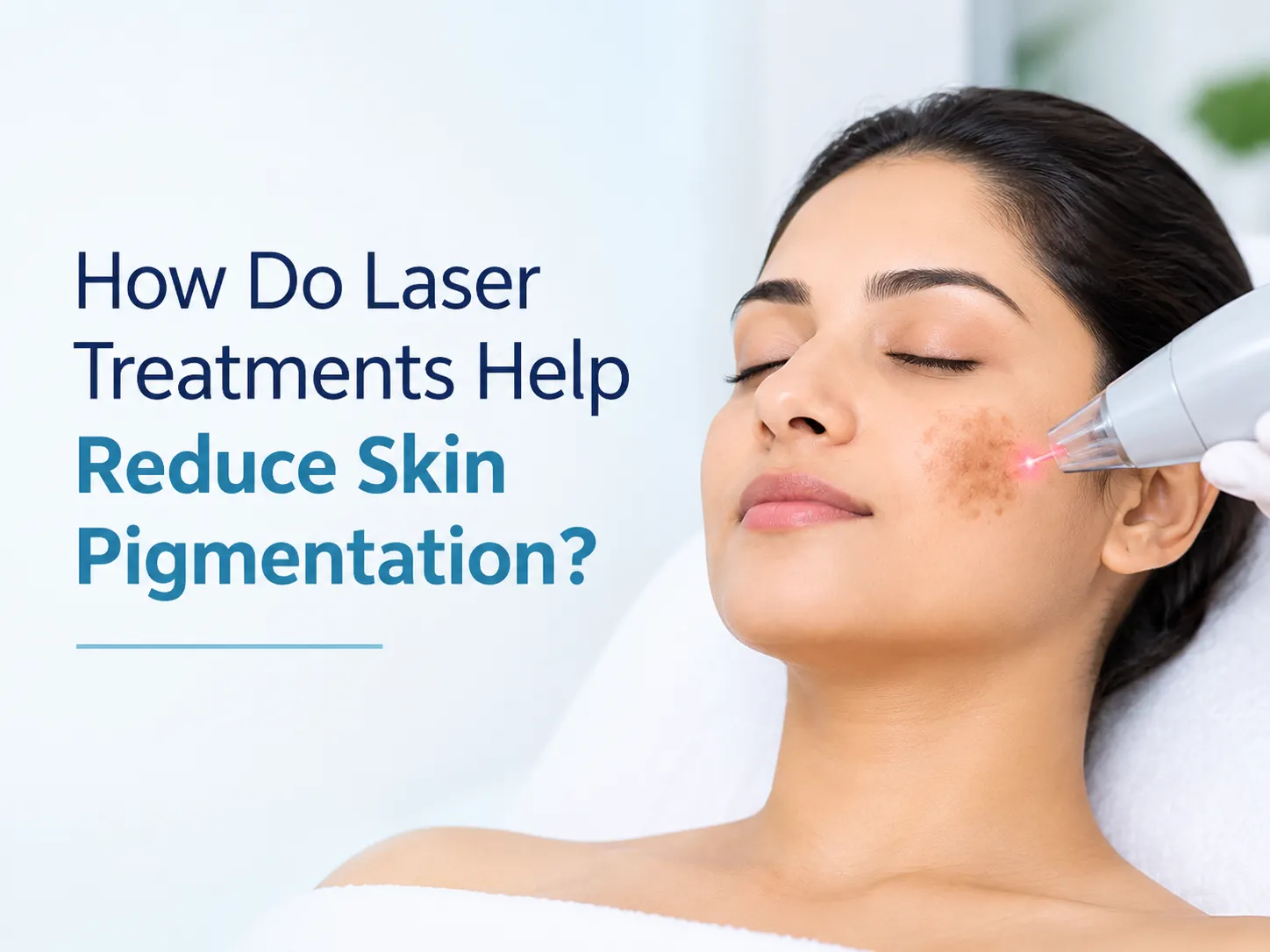
Dark spots, patches, or irregular parts of the skin can be due to several causes, including exposure to sunlight, hormonal imbalances, acne, inflammations, age, and sometimes, skin disorders. Mild cases of discoloration can be treated using topical ointments and modification of habits, while some require professional care like lasers.
For patients who want to know the causes of pigmentation and if laser treatment is suitable for their skin can consult with the best plastic surgeon in Hisar at Sarvesh Health City. Skin pigmentation is the change of natural color of the skinMelanin is a coloring pigment secreted from special cells referred to as melanocytes, which give skin its color. There are some skin areas with an increased amount of production or deposition of melanin, thus making them darker than other skin areas.
Types of pigmentation include the following:
-
Sunspots – dark spots caused by excessive exposure to the sun rays.
-
Melasma – brown or gray skin patches, especially located on the face area.
-
Post-inflammatory hyperpigmentation – dark skin spots that stay after acne, injury, burns, or skin inflammation.
-
Freckles – small, flat spots of pigment, which tend to appear under the effect of sun exposure.
-
Skin tone irregularities – dark patches of skin in different parts of your body, causing an uneven complexion.
Thus, it is crucial to define the specific type of skin pigmentation for better treatment.
How Laser Treatments Help to Reduce Skin Pigmentation
Laser treatments use concentrated energy from light to “attack” excess pigment in targeted areas of skin. The energy can be absorbed by melanin, depending on the type of laser used and help break the pigment into smaller particles. Natural processes in the body can then slowly clear these particles.
With the laser, it’s adjusted carefully according to the type of pigmentation, skin color, treatment area and skin type. This allows treatment to be targeted at pigmented areas while trying to minimize unwanted effects on the surrounding skin.
What is Laser Pigmentation Treatment?
The exact procedure depends on the type of laser technology chosen by the doctor.Treatment usually involves several steps:
1. Skin Assessment
The dermatologist examines the pigmentation and determines your skin type, health background, previous treatment, and potential factors triggering hyperpigmentation. Only then it is decided to use the laser method or not.
2. Skin Preparation
The preliminary preparation of the skin is done. In case of necessity, the topical numbing cream can be applied.
3. Using laser energy
The laser machine emits controlled pulses of light on the affected areas. The energy is absorbed by the specific pigment which helps to break it down without treating the whole skin surface in the same way.
4. Nature’s elimination of pigment
After treatment the broken down pigment is gradually absorbed and cleared by the body’s natural processes. Your skin may be slightly darker or irritated at first but will get better with time.
5. Post Treatments
Some pigmentary disorders require more than one session. The amount and frequency of treatments depends on the type and depth of the pigment and how the skin responds.
What Types of Pigmentation is Laser Suitable For?
Laser therapy may be an option for some types of pigmentation including sun-induced spots and some unwanted pigmentation. But not every dark spot should necessarily be zapped with a laser.
Some conditions, like melasma, can be difficult to treat because the pigmentation can come back if triggers like sun exposure, heat, or hormonal factors remain. A doctor may recommend a combination of treatments and sun protection over the long term rather than just laser therapy.
What are the advantages of laser treatment for pigmentation?
The laser treatment, when properly selected and performed, can offer a number of benefits:
-
Helps to even out areas of excessive pigmentation.
-
Can help fade the look of certain dark spots.
-
May give a more even looking skin tone.
-
Can treat certain pigmented areas.
-
Treatment sessions are usually quite short.
-
Can be combined with other approaches recommended by dermatologist or surgeon
Each person has different results. Laser treatment will not necessarily lead to permanent removal of the pigmentation, particularly if the underlying cause is still present.
Is Laser Pigmentation Treatment Safe?
Laser procedures can be safe when the proper technology and settings are used for the person’s skin type and condition. However, you may experience temporary redness, swelling, sensitivity or changes in pigmentation following treatment.
Laser procedures can put people with darker skin tones at greater risk for post-inflammatory hyperpigmentation or hypopigmentation. Therefore, professional assessment and correct laser selection are especially important.
Use of inappropriate laser devices for self-treatment can increase the risk of burns, scarring or worsening pigmentation. Treatment should, therefore, be planned and performed by a qualified medical professional.
What To do Before Laser Treatment?
Proper preparation can support a safer treatment experience. Your doctor may tell you to:
-
Avoid excessive sun exposure prior to treatment.
-
Use a broad spectrum sunscreen always.
-
Let your doctor know what skin care products and medications you are using.
-
Don’t scratch or pick the treated area.
-
Follow any pre-treatment skincare instructions provided during consultation.
It’s also important to discuss past pigmentation treatments and history of skin sensitivity.
What do you do for your skin after treatment?
After the laser treatment it is important to follow the recommended aftercare routine. The treated skin may be sensitive for a short time and generally harsh products, unnecessary rubbing and excess sun exposure should be avoided.
Protection from the sun is especially important because ultraviolet exposure can increase melanin production and add to the reappearance of pigmentation. Applying an appropriate broad spectrum sunscreen and shielding the skin from direct sunlight can help in longer lasting results.
Your doctor may also recommend certain moisturizers or topical products depending on the condition of your skin and the treatment.
Is Laser Treatment Effective in Removing Skin Pigmentation Permanently?
Laser treatment can make some types of pigmentation appear lighter, but it is not guarantyd to remove it permanently. Pigmentation can recur if the underlying cause persists. Sun exposure, hormonal changes, inflammation, acne, and other factors may trigger recurrence.
This is why pigment management usually requires identifying the root cause, selecting an appropriate treatment, applying sun protection and adhering to a proper skincare regimen.
When Should You See a Plastic Surgeon for Pigmentation?
If the pigmentation is stubborn, spreading, recurring, or not responding to basic skin care, a professional evaluation is especially helpful. A specialist can look at the pigmentation and advise on the suitability of laser treatment, a topical therapy, another procedure or a combination approach.
The patients at Sarvesh Health City have the access to qualified specialists who discuss their skin issues with them and provide them treatment suggestions as per their individual skin condition rather than going for a laser procedure just because it is in trend.
Conclusion
Laser treatment can be used to diminish certain types of skin pigmentation by using controlled sunlight to target the excess melanin. This treated pigment can then slowly degrade and clear, which may help to improve the appearance of dark spots and uneven skin tone. But the right laser, settings, number of sessions and aftercare will depend on a person’s pigmentation and skin type.
A proper medical assessment before going in for a treatment is an important first step. Laser therapy can be a valuable part of a personalized approach to managing unwanted pigmentation at Sarvesh Health City, provided you choose the right treatment, have professional supervision and use regular sun protection.