How Do Jetty Repair Services Restore Damaged Structures?
By Gubbi Civil
70 Views
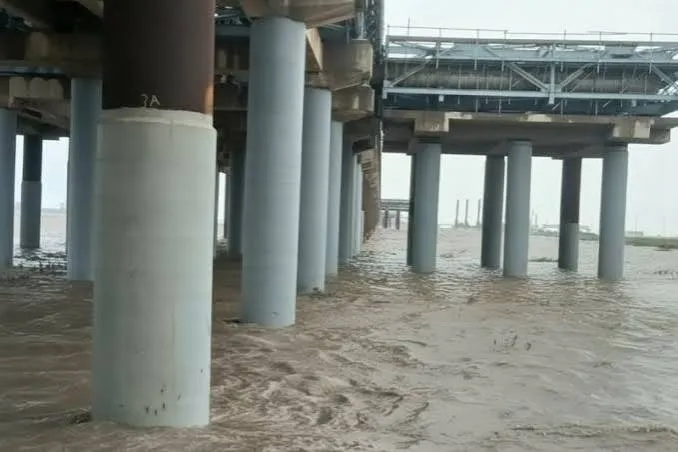
Jetties are essential marine structures used for berthing vessels, transporting materials, supporting port operations, and connecting waterfront facilities with ships and boats. However, continuous exposure to seawater, salt-laden air, tidal movement, wave action, heavy loads, and changing weather conditions can gradually weaken their structural components. Timely jetty repair services help identify deterioration early, restore damaged areas, improve structural performance, and reduce the risk of expensive reconstruction or operational interruptions.Unlike conventional concrete structures, jetties operate in an aggressive marine environment where deterioration can progress through several mechanisms simultaneously. Reinforcement corrosion, concrete cracking, spalling, delamination, abrasion, impact damage, and steel deterioration may affect decks, beams, piles, pile caps, and other supporting components. Professional inspection is therefore important before selecting a repair method because visible surface damage may not always represent the full extent of structural deterioration.
Why Do Jetties Require Regular Repair?
The primary challenge for a jetty is its continuous exposure to moisture and chlorides. Saltwater can penetrate concrete and reach embedded reinforcement, initiating corrosion that gradually reduces steel cross-section and causes internal expansion. This expansion creates cracking and concrete delamination, eventually exposing reinforcement to even more aggressive conditions. Regular maintenance and timely intervention can interrupt this deterioration cycle before it develops into major structural damage.
Operational loads can also contribute significantly to deterioration. Jetties may experience repeated loading from cranes, vehicles, cargo-handling equipment, pipelines, storage systems, and vessels. Vessel impact, vibration, tidal movement, wave action, and repeated wetting and drying can further stress structural members. When these effects continue for years without appropriate maintenance, minor defects can develop into larger problems affecting the durability and load-carrying performance of the structure.
Common Signs of Jetty Damage
Visible cracking is one of the earliest signs that a jetty may require professional assessment. Cracks can appear on deck slabs, beams, pile caps, columns, and other concrete members. Their significance depends on width, depth, location, pattern, and underlying cause. Cracks associated with reinforcement corrosion, structural loading, settlement, shrinkage, or environmental exposure should not simply be covered with surface materials without determining the reason behind their formation.
Concrete spalling and delamination are other common warning signs. Spalling occurs when portions of concrete detach from a structural member, frequently because corrosion-induced expansion has weakened the surrounding concrete. Exposed reinforcement, rust staining, hollow-sounding concrete, damaged edges, surface scaling, and deteriorated concrete around splash zones should receive attention. If these defects are ignored, moisture and chlorides can reach deeper portions of the structure and accelerate deterioration.
How Is a Jetty Structurally Inspected?
A professional jetty repair project normally begins with a detailed condition assessment rather than immediate repair work. Engineers inspect accessible structural elements and document cracks, spalling, corrosion, deformation, impact damage, and other defects. Depending on the structure and site conditions, non-destructive testing, corrosion assessment, concrete investigations, and other diagnostic methods may be used to understand hidden deterioration and determine the appropriate rehabilitation strategy.
Inspection should cover the complete structural system rather than focusing only on visibly damaged areas. Deck slabs, beams, piles, pile caps, connections, steel components, fenders, walkways, and supporting elements may all require assessment. Particular attention is generally required in splash and tidal zones because repeated exposure to seawater and air creates highly aggressive conditions. The collected information helps engineers classify defects according to severity and establish priorities for repair.
What Are the Main Jetty Repair Methods?
The appropriate repair method depends on the material, damage mechanism, structural requirement, accessibility, and environmental exposure. Concrete patch repair may be suitable for localized deterioration, while deeper damage may require section replacement or micro-concrete solutions. Cracks requiring structural bonding or water-tightness may need specialized injection systems. Strengthening techniques can be considered where the existing member no longer provides adequate capacity for current or anticipated operational requirements.
Concrete Repair and Restoration
Concrete repair generally starts with removing loose, cracked, delaminated, or contaminated material until a sound substrate is reached. Exposed reinforcement may then be cleaned and treated before the damaged section is rebuilt using an appropriate repair material. Polymer-modified mortars, micro-concrete, and other high-performance repair systems can be selected according to the repair depth, geometry, exposure conditions, and required structural performance.
The objective is not simply to make the surface look new. A properly executed repair should restore the damaged section, provide suitable bond with existing concrete, protect reinforcement, and reduce the possibility of recurring deterioration. Surface preparation, reinforcement treatment, bonding, material selection, curing, and final protection all influence the performance of the repair. Poor preparation or unsuitable materials can cause premature debonding, cracking, or renewed deterioration.
Crack Injection and Grouting
Cracks in marine concrete structures require evaluation before selecting an injection material. Depending on the crack characteristics and objective of repair, epoxy injection, polyurethane-based systems, cementitious grouting, or other specialized materials may be considered. Structural cracks and water-bearing cracks should be treated differently because their movement, moisture conditions, depth, and intended performance can vary considerably.
Grouting can also be used for filling voids and addressing localized defects where conventional surface repair cannot reach the affected area. Microfine cement or resin-based systems may be selected depending on the void geometry and surrounding conditions. The injection process should be controlled carefully to achieve adequate penetration without creating additional defects. Proper diagnosis remains essential because grouting alone cannot resolve an underlying structural or corrosion problem.
Reinforcement Corrosion Treatment
Corroded reinforcement is a major concern in reinforced concrete jetties because chloride exposure can initiate and accelerate steel corrosion. Repair normally requires removal of deteriorated concrete around affected reinforcement, cleaning of the steel, assessment of remaining cross-section, and application of suitable corrosion-control or protective measures. The concrete is then reinstated using a compatible repair system designed for the exposure environment.
Where corrosion is extensive, localized treatment may not be sufficient. Engineers may need to evaluate reinforcement loss, structural capacity, chloride contamination, and the probability of future corrosion. Additional strengthening, protective coatings, corrosion inhibitors, or cathodic protection may form part of the overall strategy. Cathodic protection systems, including sacrificial anodes or impressed-current systems, are established approaches for controlling reinforcement corrosion in suitable marine applications.
Structural Strengthening and Retrofitting
Some jetties require strengthening because of increased operational loads, deterioration-related capacity loss, design changes, or ageing. Structural strengthening can involve concrete jacketing, steel plate strengthening, fibre-reinforced polymer systems, pile strengthening, or other engineered solutions. The selected system should be based on structural calculations, site conditions, access limitations, expected loads, and long-term exposure requirements rather than choosing a method solely because it is commonly used.
Carbon fibre reinforced polymer systems can provide an efficient strengthening option for selected concrete members where additional capacity is required and installation conditions permit. Similarly, concrete or steel jacketing can be used where substantial section restoration or capacity enhancement is necessary. A strengthening solution should integrate with the existing structure and provide adequate durability under marine exposure.
Why Is Corrosion Protection Important After Repair?
Repairing visible concrete damage without addressing the corrosion mechanism can result in recurring deterioration. Marine structures need protection strategies that consider chloride exposure, moisture movement, concrete quality, reinforcement condition, and future maintenance requirements. Protective coatings, corrosion inhibitors, cathodic protection, pile wrapping, and suitable surface treatments can be incorporated where appropriate to reduce exposure and improve long-term durability.
Protective coatings can create a barrier against moisture, salts, and other aggressive environmental agents when correctly specified and applied. However, coating selection should consider substrate condition, moisture, surface preparation, expected movement, immersion conditions, and compatibility with the repair system. A coating should be treated as part of a broader rehabilitation strategy rather than as a substitute for repairing severely deteriorated concrete or structurally deficient members.
Can Jetty Repairs Be Completed Without Major Operational Disruption?
One important concern for port and industrial facility owners is maintaining operations during repair. Closing an entire jetty can affect vessel movement, cargo handling, production, and logistics. Depending on the site, rehabilitation can therefore be planned in phases, with work zones established according to operational requirements. Proper sequencing, access planning, marine safety arrangements, and coordination with facility operations can help reduce unnecessary disruption during repair activities.
Marine repair projects can involve difficult access conditions, working over water, tidal restrictions, underwater elements, and limited space for equipment. These factors make planning particularly important. Depending on the structure, specialized access systems, temporary platforms, scaffolding, lifting equipment, or diving support may be required. Safety procedures must be integrated into the execution plan because marine repair involves additional risks compared with conventional land-based concrete repair.
How to Choose the Right Jetty Repair Contractors?
Choosing experienced jetty repair contractors is important because marine rehabilitation requires more than general civil construction capability. The contractor should understand concrete deterioration, reinforcement corrosion, structural strengthening, marine exposure, access limitations, repair materials, and site safety. Previous experience with comparable marine structures can help contractors anticipate practical challenges and develop repair sequences that suit the operational and environmental conditions of the project.
A suitable contractor should also be capable of coordinating inspection findings, engineering recommendations, material selection, execution methodology, quality control, and final protection. Before appointing a contractor, project owners can review relevant experience, technical capabilities, safety practices, repair methodology, manpower, equipment, and completed marine projects. For a complex structure, Gubbi Civil Engineers Limited can be considered when the requirement involves integrated assessment, repair, strengthening, corrosion protection, and rehabilitation planning rather than isolated maintenance work.
Jetty Repair Services Versus Complete Reconstruction
When deterioration becomes visible, owners may immediately consider demolition and rebuilding. However, reconstruction is not always the most practical solution. If the existing structural system retains sufficient integrity, targeted rehabilitation can restore damaged sections and improve durability without replacing the entire facility. The decision should be based on structural assessment, remaining serviceability, repair feasibility, future loading, expected service life, project costs, and operational requirements.
A well-planned rehabilitation strategy can preserve usable structural components while focusing investment on areas that actually require intervention. This approach can also reduce material consumption and potentially shorten the period during which marine operations are affected. Nevertheless, rehabilitation is not automatically better than reconstruction. Severely compromised structures, unsuitable original designs, extensive foundation problems, or major changes in functional requirements may make partial or complete replacement more appropriate.
Preventive Maintenance After Jetty Repair
Jetty rehabilitation should not be considered the final step in the structure's life cycle. Regular inspections and preventive maintenance are necessary to identify new cracks, corrosion, coating damage, impact defects, drainage problems, and other developing issues. Early intervention generally provides more repair options and can prevent small defects from developing into extensive deterioration requiring major structural work.
A maintenance programme should consider the jetty's age, construction materials, exposure conditions, operational loading, previous repair history, and observed deterioration. Inspection frequency can be adjusted according to risk and environmental conditions. Areas exposed to direct seawater, tidal movement, vessel impact, and heavy operational activity may require particular attention. Documenting inspection findings also helps owners track deterioration and plan future maintenance budgets.
What Makes Marine Structural Repair Different?
Marine structural repair requires careful consideration of environmental exposure throughout the entire repair process. Materials may need to perform under high humidity, chloride exposure, wet conditions, tidal movement, and repeated environmental cycles. Surface preparation can also become more difficult when access is restricted or when the repair zone is close to or below water level. These conditions make technical planning and execution quality particularly important.
The repair methodology should therefore connect diagnosis with material selection and execution. Simply selecting a high-strength material does not guarantee a durable repair. Compatibility with the existing concrete, substrate preparation, reinforcement condition, curing requirements, exposure environment, application technique, and protective system all influence the outcome. Marine Asset Life Extension is ultimately achieved through a coordinated approach that addresses both immediate damage and the deterioration mechanisms responsible for it. A jetty is exposed to conditions that can progressively affect concrete, reinforcement, steel components, foundations, and structural connections. Seawater, chloride exposure, tidal action, wave forces, operational loading, and vessel impact can all contribute to deterioration. Professional jetty repair services provide a structured way to inspect damage, identify its causes, restore deteriorated components, strengthen vulnerable areas, and introduce protection measures designed for long-term marine exposure. For owners searching for reliable jetty repair contractors, the focus should be on engineering capability, marine experience, repair methodology, safety, quality control, and long-term durability rather than simply the lowest initial quotation. A properly planned rehabilitation programme can help preserve existing infrastructure, reduce operational disruption, and improve structural reliability. Early assessment and timely intervention remain among the most effective ways to protect valuable marine assets and support their continued service.