How Do Dermatologists Diagnose Genital Warts Accurately?
By dany james
123 Views
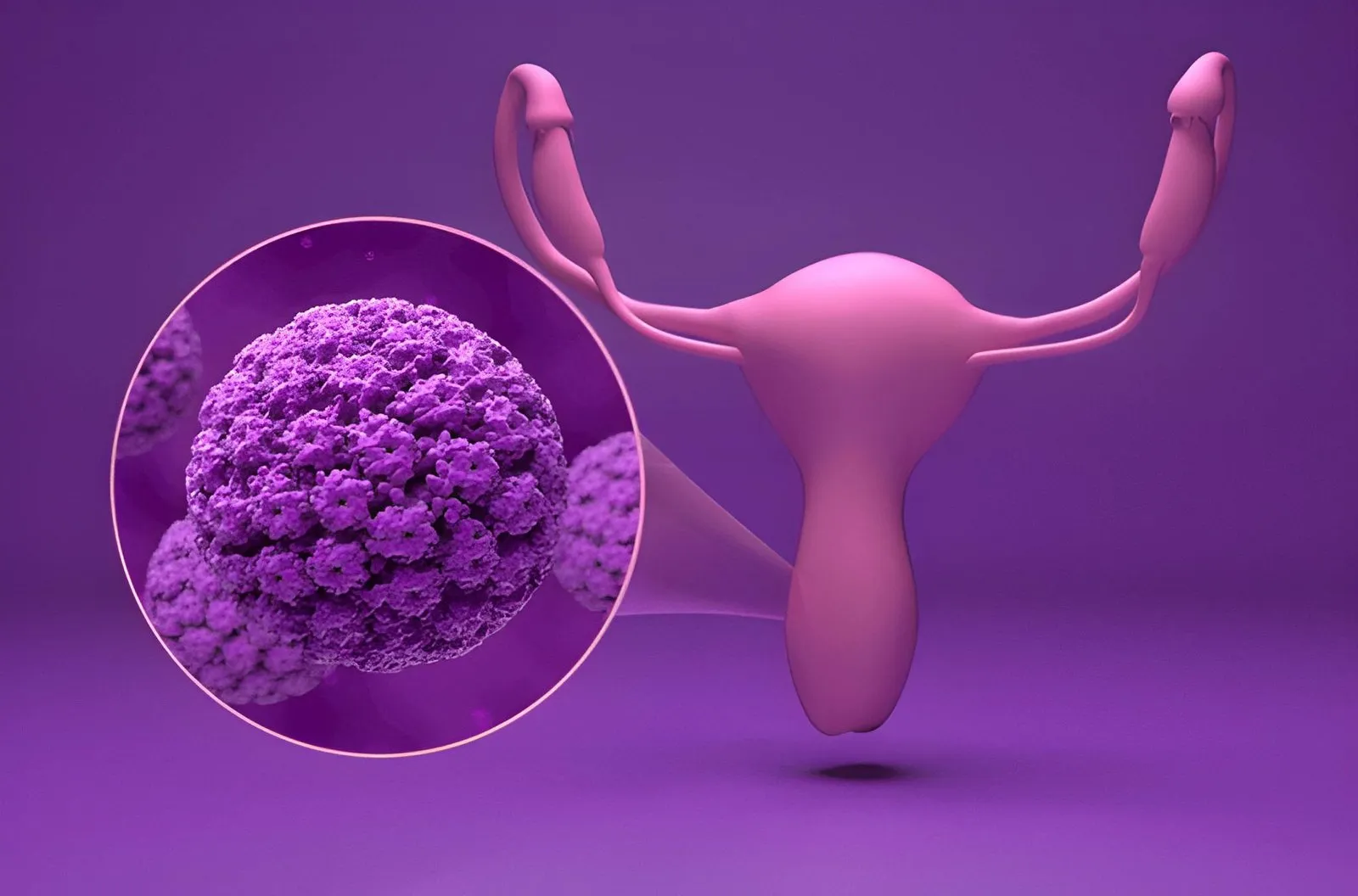
Not every skin growth that appears in intimate areas is a genital wart. Various skin conditions can look similar, making professional assessment essential for an accurate diagnosis. Understanding how dermatologists identify genital warts can help patients feel more confident when seeking medical advice and treatment.
At Harley Street Prestige Medical, a leading Harley Street dermatology clinic in London, specialists use a careful and methodical approach to evaluate skin changes and determine whether they are related to human papillomavirus (HPV). Accurate diagnosis is an important first step toward selecting the most suitable management plan and achieving the best possible outcome.
Why Accurate Diagnosis Matters
Many people assume that any small bump or skin growth in intimate areas is a genital wart. However, this is not always the case. Several harmless skin conditions can resemble warts, while some growths may require a completely different approach to treatment.
An accurate diagnosis helps:
- Ensure the correct condition is identified rather than relying on assumptions or self-diagnosis.
- Prevent unnecessary worry caused by confusing normal skin variations with a medical condition.
- Allow specialists to recommend the most appropriate treatment option based on the diagnosis.
- Reduce the risk of delayed care for conditions that may need medical attention.
- Provide reassurance and clear guidance about what to expect moving forward.
Because appearances can be misleading, professional evaluation remains the most reliable way to determine the cause of unusual skin changes.
What Are Dermatologists Looking For?
When assessing possible genital warts, dermatologists examine several characteristics of the affected skin. Their goal is to identify patterns and features that distinguish warts from other conditions.
During the assessment, specialists typically consider:
- The size, shape, and texture of the growths.
- Whether the lesions appear individually or in clusters.
- The colour of the affected skin compared to the surrounding tissue.
- The location of the growths and how widely they are distributed.
- Any changes the patient has noticed over time.
These observations provide valuable clues that help guide the diagnostic process.
The Importance of Medical History
A visual examination is only one part of the diagnostic process. Dermatologists also gather information about the patient's medical history and current concerns.
Questions may focus on:
- When the skin changes were first noticed.
- Whether the growths have increased in size or number.
- Any symptoms such as irritation, sensitivity, or discomfort.
- Previous experiences with similar skin conditions.
- Any recent changes in overall skin health.
This information helps create a clearer picture of the situation and supports a more accurate diagnosis.
How Visual Examination Helps Identify Genital Warts
In many cases, experienced dermatologists can identify genital warts through a thorough visual examination. These growths often have distinct features that become apparent when examined closely.
Common characteristics include:
- Small raised lesions that stand above the skin surface.
- Soft growths that may appear smooth or textured.
- Clusters that can develop a cauliflower-like appearance.
- Lesions that match the surrounding skin tone or appear slightly darker.
- Growths that vary in size from tiny spots to larger, grouped areas.
Because specialists regularly assess a wide range of skin conditions, they are trained to recognise subtle differences that may not be obvious to patients.
Conditions Commonly Mistaken for Genital Warts
One reason professional diagnosis is so important is that several skin conditions can resemble genital warts.
Examples include:
- Skin tags that develop naturally in areas where skin experiences friction.
- Benign skin growths that do not result from viral infections.
- Small cysts form beneath the surface of the skin.
- Normal anatomical variations that may be mistaken for abnormalities.
- Certain inflammatory skin conditions create raised bumps.
Because many skin conditions share similar visual characteristics, identifying the exact cause often requires evaluation by an experienced dermatologist.
Are Additional Diagnostic Tests Ever Needed?
While many cases can be diagnosed visually, additional evaluation may occasionally be recommended. This usually occurs when the appearance of the lesions is unusual or when further clarification is needed.
Additional diagnostic methods may include:
- Magnified examination to study the skin in greater detail.
- Careful monitoring of changes over time.
- Laboratory analysis when another condition needs to be ruled out.
- Tissue sampling in rare situations where diagnosis remains uncertain.
These investigations help ensure that the diagnosis is as accurate as possible before any treatment decisions are made.
What Happens After a Diagnosis Is Confirmed?
Once genital warts have been identified, the dermatologist will discuss available management options. Recommendations often depend on factors such as the size, number, and location of the lesions.
The discussion may include:
- The benefits and limitations of different treatment approaches.
- Expected recovery timelines.
- Possible outcomes and follow-up requirements.
- Advice on monitoring the affected area in the future.
- Guidance on reducing the likelihood of recurrence.
A personalised approach allows patients to make informed decisions about their care.
For individuals seeking genital warts removal treatment in London, a professional diagnosis ensures that treatment is directed at the correct condition and tailored to the specific needs of the patient.
Why Self-Diagnosis Can Be Misleading
Many people search online for images and compare them with their own symptoms. While this may seem helpful, self-diagnosis can often create confusion.
Online information cannot account for:
- Variations in how skin conditions appear from one person to another.
- Differences in skin tone and texture.
- Conditions that share similar visual features.
- Medical factors that may influence diagnosis.
- The expertise required to recognise subtle clinical differences.
As a result, relying solely on internet searches can lead to unnecessary anxiety or false reassurance.
How Dermatologists Differentiate Between Similar Conditions
Experienced dermatologists use a combination of observation, clinical knowledge, and patient history to identify the cause of skin changes.
They assess factors such as:
- The overall pattern and distribution of lesions.
- Surface texture and structural characteristics.
- Changes that have occurred over time.
- The presence or absence of associated symptoms.
- Features that may indicate alternative diagnoses.
This comprehensive evaluation allows specialists to reach conclusions based on evidence rather than assumptions.
The Benefits of Seeking Early Assessment
Early evaluation offers several advantages, regardless of whether the growths turn out to be genital warts or another condition.
These benefits include:
- Faster identification of the underlying cause.
- Greater peace of mind through professional guidance.
- Access to appropriate treatment options when necessary.
- Reduced uncertainty about skin changes.
- Better understanding of long-term skin health.
Prompt assessment can help prevent unnecessary stress and ensure that any concerns are addressed effectively.
Frequently Asked Questions
Can dermatologists diagnose genital warts during the first appointment?
In many cases, experienced dermatologists can identify genital warts during an initial consultation through visual examination and clinical assessment.
Do all genital warts look the same?
No. Genital warts can vary in size, shape, colour, and texture. Some appear as individual lesions, while others develop in clusters.
How can a dermatologist confirm whether a skin growth is a genital wart?
A dermatologist evaluates the shape, texture, location, and appearance of the growth. In most cases, a professional examination provides enough information to determine whether the lesion is a genital wart or another skin condition.
Is a laboratory test needed to diagnose genital warts?
Most genital warts can be identified through clinical examination. However, additional testing may occasionally be recommended when the appearance of the lesion is unusual or requires further investigation.
Conclusion
Diagnosing genital warts accurately requires more than a visual comparison with online images. Dermatologists use their clinical expertise to assess skin changes, review relevant medical history, and determine whether further investigation is needed. Because several conditions can resemble genital warts, obtaining a professional diagnosis is the most reliable way to receive clear answers and appropriate guidance. Seeking expert evaluation at an early stage can help address concerns promptly and support informed decisions about future care and treatment options.