How Digital-First Appraisals Changed the Way Collectors Document What They Own
23 Views
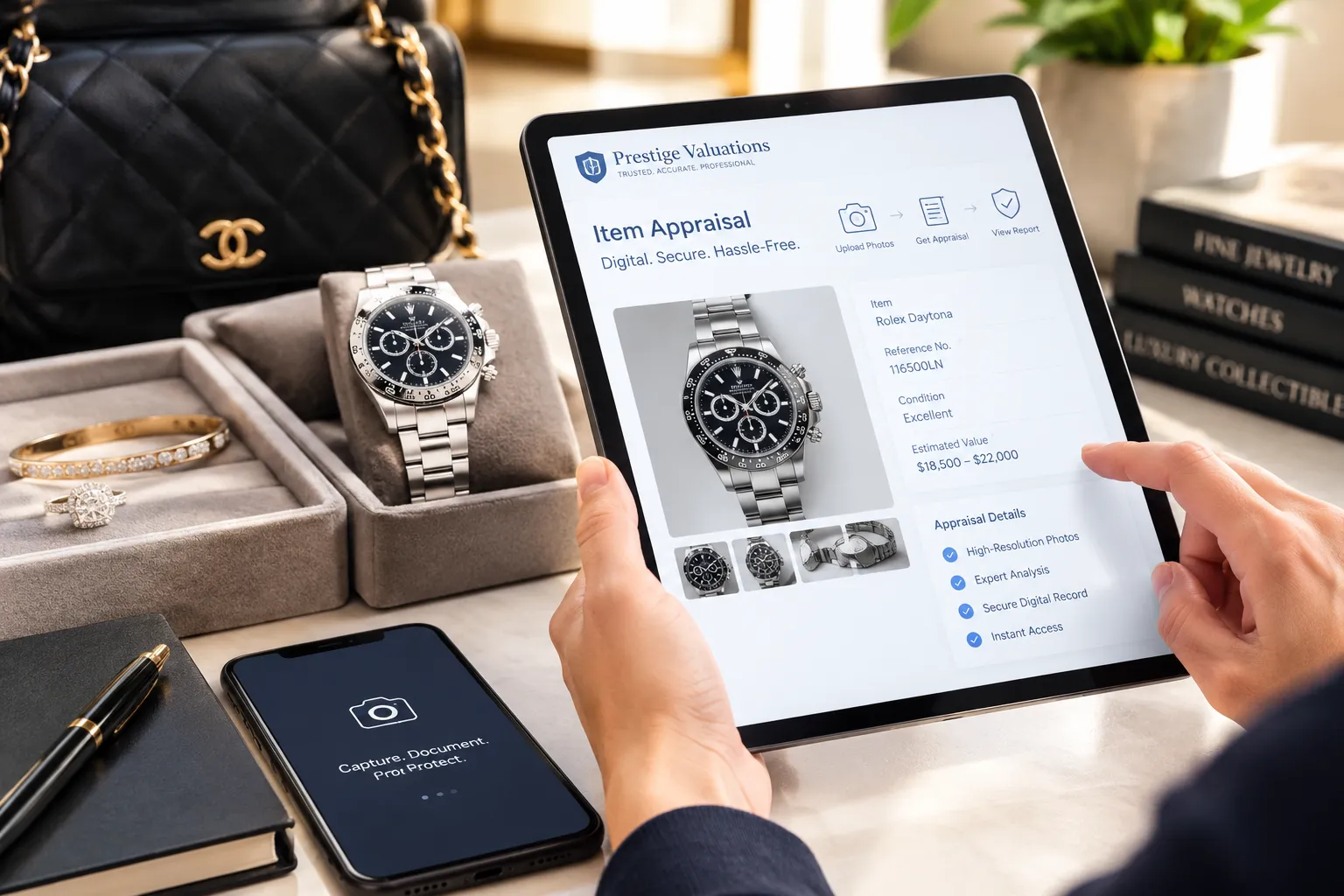
A decade ago, getting a watch or handbag properly valued meant handing it over. You’d drop it off, wait, and hope nothing happened to it while it sat in someone else’s safe. That model has largely disappeared. A designer handbag appraisal today is more likely to start with a few photographs sent from a phone than with an in-person handoff, and that shift has quietly changed who gets their valuables documented and how often.
Why the Old Model Fell Behind
In-person appraisal made sense when photography and documentation were harder to standardize. But it created real friction: scheduling an appointment, traveling to an office, and leaving a valuable item in transit or storage for days. For anyone with a modest collection, that friction was often enough to make people skip the process entirely, which is part of why underinsurance became so widespread among people who owned genuinely valuable items.
The Cost of Friction
Every extra step between “I should get my item appraised” and “it’s done” is a step where people give up. Mailing an item, insuring it in transit, and waiting weeks for a report; none of that encourages regular updates, even though values shift and documentation needs to keep pace. The old process wasn’t wrong, exactly, but it was built for occasional use, not for the kind of ongoing record-keeping that a serious collection actually needs.
What Digital-First Actually Looks Like
A modern appraisal typically runs on photographs, supporting documents, and remote expert review rather than physical possession of the item. For a Rolex appraisal, that means clear images of the case, dial, movement if visible, bracelet, and any accompanying box or papers, often paired with whatever proof of purchase or prior service records exist. The item itself never has to leave the owner’s hands.
This isn’t a lesser version of the in-person process; in many ways it’s more thorough, because the owner has time to capture multiple angles, close-ups of serial numbers, and condition details that might get rushed during a short in-office appointment. Standard turnaround for this kind of remote documentation tends to run a few business days, with faster express options increasingly available for people who need something sooner.
Why Watches Translate Well to Remote Review
A Rolex appraisal depends heavily on details that photograph well: case condition, bracelet stretch, dial authenticity, and completeness of the set. Close-up shots can clearly capture serial and reference numbers, while documentation such as service history or original papers can be easily scanned. The mechanical authentication that used to require hands-on inspection has, for most purposes, been replaced by detailed visual and documentary review, which are accurate enough for insurance purposes without requiring the watch to change hands.
What Digital-First Means for Handbags
Handbags benefit from this shift just as much, maybe more. A designer handbag appraisal relies on assessing brand, model, material, condition, included accessories, and proof of purchase, all of which are reasonably easy to document through photographs taken at home. Hardware close-ups show wear or tarnish, interior shots reveal lining condition, and images of dust bags, locks, and authenticity cards confirm completeness without anyone needing to physically inspect the bag in an office.
Condition Documentation Gets Better, Not Worse
One underappreciated benefit: owners photographing their own bags tend to capture more honest, detailed condition evidence than a rushed in-person glance would produce. Scuffs, corner wear, and hardware tarnish are all visible in excellent lighting, and because there’s no pressure of an appointment clock running, people generally take the time to document things properly. That level of detail actually strengthens the appraisal’s reliability rather than compromising it.
The Bigger Shift: From Event to Habit
The most significant change isn’t really about photographs replacing physical inspection but about frequency. When getting something appraised no longer means giving it up for days, people are far more willing to do it regularly: after a new purchase, following a repair, before renewing an insurance policy, or just periodically to keep records current. An appraisal has gone from being a rare event to something closer to routine maintenance for a collection.
Why Frequency Matters More Than People Think
A single appraisal from years ago is nearly as unhelpful as no appraisal at all, since markets move and conditions change. The real value of the digital-first model isn’t convenience for its own sake; in fact, it’s that convenience makes updating records realistic. A collector who can document a watch or bag in twenty minutes from their living room is far more likely to keep that documentation current than one who’d need to take a day off to visit an office.
Where This Is Heading
Secure online portfolios have become a natural extension of remote appraisal, which is a place where documentation for an entire collection lives together, gets updated as items are added or reassessed, and stays accessible without needing a new appointment every time something changes. For collectors with multiple watches, bags, and jewelry pieces, the system turns what used to be a scattered folder of old receipts into an actual living record.
Home visits haven’t disappeared either, and they still make sense for larger collections where photographing dozens of items individually becomes impractical. For someone who has one serious watch and a few bags, remote documentation completely meets their needs while saving a significant amount of time compared to the old model.
Summing Up
To sum up, the factors that make an appraisal valid are still as important as they have always been. What’s changed is how much friction stands between owning something valuable and having it properly documented. A Rolex appraisal or a bag valuation that once required a scheduled visit and a day without the item now fits into a lunch break, which is precisely why more people are actually doing it instead of putting it off indefinitely.
The real trend isn’t digital for its own sake. It’s that lowering the effort required to document a collection properly has turned appraisal from a once-in-a-while chore into something collectors can realistically keep current, which, for insurance, resale, and estate purposes alike, is the entire point.
Related Reading
Top 10 Hidden Secrets About Business & Finance You Need to Know
Welcome to our in-depth exploration of Business & Finance. In an era defined...
Why Business & Finance is Transforming the Global Industry Landscape
Welcome to our in-depth exploration of Business & Finance. In an era defined...