How Can You Protect Your Teeth From Gum Disease?
20 Views
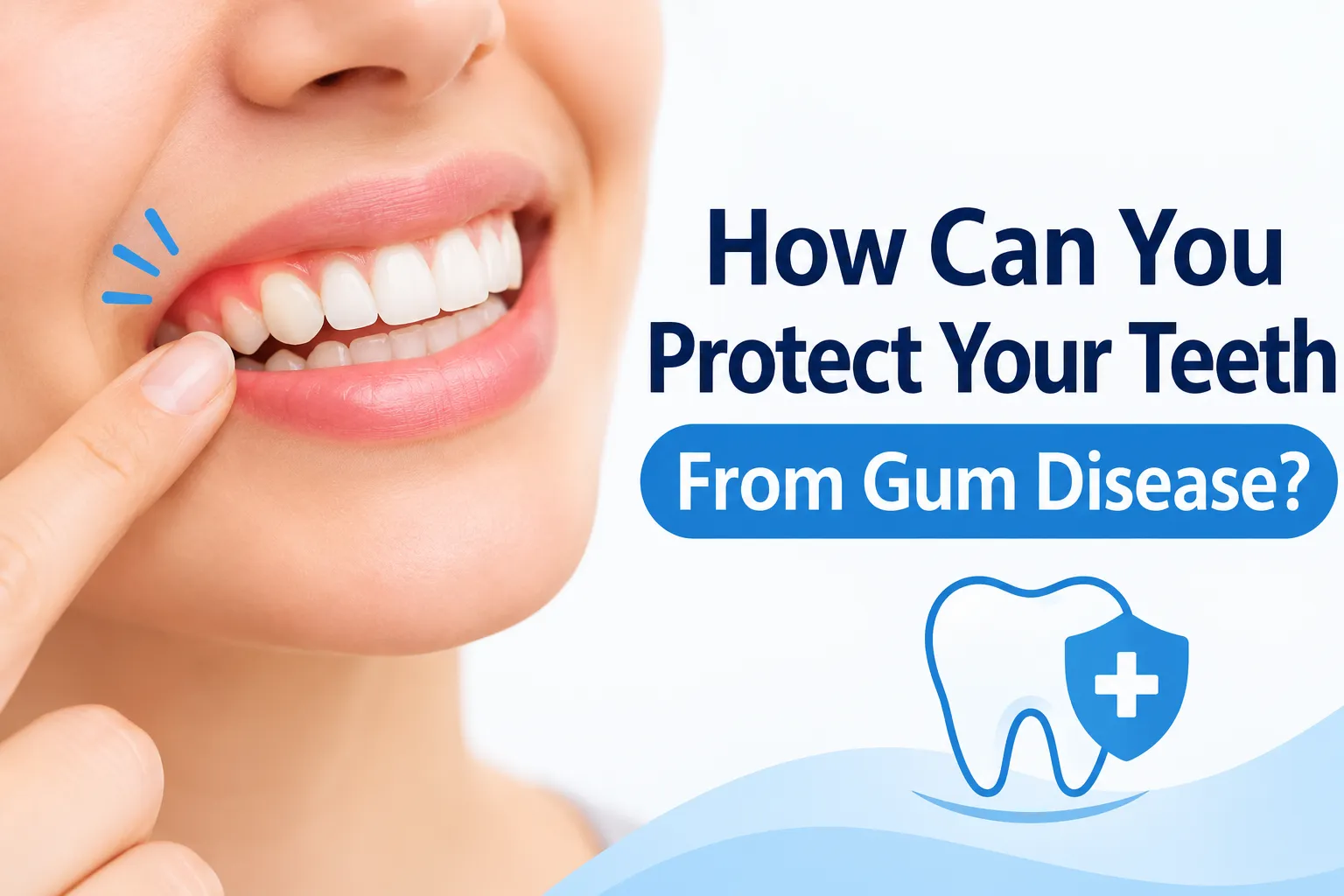
Good oral health calls for the proper maintenance of teeth and gums. While many people give their teeth a fair share of attention, they often ignore the importance of their gums. Gum disease is a common problem that individuals of different ages can experience. It occurs when there is a buildup of plaque, which is a sticky layer of bacteria located around the teeth and gums. If the disease goes untreated, affected individuals may experience problems such as bleeding gums, bad breath, gum recession, and eventually tooth loss.
The positive side is that there are ways of preventing gum problems through the practice of proper oral hygiene, consumption of healthy foods, and regular dental visits. If one is able to maintain good gum health, they can maintain their brilliant smile for years. Best Dentist In Hisar will assist patients in discovering gum problems at early stages and providing treatment before the condition worsens.
What Is Gum Disease?
Gum disease (also called periodontal disease) is an infection or inflammation of the tissues that surround your teeth. It is usually caused by plaque and bacteria that accumulate along the gum line.
Gum disease has two main stages:
1. Gingivitis
Gingivitis is the first stage of gum disease. It can lead to redness, swelling, and bleeding, especially when brushing or flossing. At this point, the condition can normally be reversed through good oral hygiene and professional dental cleaning.
2. Periodontitis
Gingivitis can progress to periodontitis if left untreated. At this stage, the infection may start to destroy the tissue and bone that hold the teeth in place. It could result in loose teeth, gum recession, and ultimately tooth loss.
Early diagnosis and treatment can prevent further damage to the bone.
What are the usual signs of gum disease?
Recognising the warning signs can enable you to get dental care on time. Typical symptoms include:
-
Bleeding while brushing or flossing your teeth.
-
Red, swollen, or sore gums.
-
Bad breath that won't go away.
-
Gums receding from the teeth.
-
Pain or discomfort when chewing.
-
Sensitivity or loose teeth.
-
Changes in the way your teeth come together.
Some people may not experience much pain in the early stages. That's why it's important to have regular dental check-ups even if your teeth and gums look healthy.
How to Keep Your Teeth Safe From Gum Disease?
You don't need fancy routines to take care of your gums. Little things you do every day can do wonders for your oral health.
1. Brush Your Teeth 2 Times Daily
Brushing your teeth twice a day with fluoride toothpaste helps remove plaque and bacteria from the surface of your teeth. Use a soft-bristled toothbrush and brush gently along the gum line.
Make sure you brush for at least two minutes and clean all surfaces of your teeth to maintain good oral hygiene.
2. Floss Every Day to Get Rid of Hidden Food Particles
A toothbrush can't reach all the spaces between your teeth. Food particles and plaque can become trapped in these areas and increase the risk of gum inflammation.
Flossing daily cleans out the debris and bacteria in places your toothbrush can't reach. If you have difficulty using conventional floss, talk to your dentist about alternatives such as interdental brushes or water flossers.
3. Use an Anti-Bacterial Mouthwash If Recommended
Using an appropriate mouthwash can help eliminate bacteria in the mouth, making it easier to maintain your daily oral hygiene routine.
However, using mouthwash is not a substitute for brushing and flossing. Certain medicated mouthwashes can be prescribed when gum disease is present, but they should be used according to the dosage recommended by your dentist.
4. Maintain a Healthy Balanced Diet
Nutrition plays a vital role in the health of your teeth and gums. If you consume enough nutrient-rich foods, your body will be better equipped to combat infections.
Include the following foods in your diet:
-
Fresh fruits such as oranges, apples, and guavas.
-
Green leafy vegetables.
-
Dairy products containing calcium, such as milk and yoghurt.
-
Nuts and seeds.
-
High-protein foods like pulses, fish, and meat.
Do minimise the intake of sweets and soft drinks, as they can encourage bacterial growth in the mouth and increase the risk of oral health problems.
5. Stay Away From Tobacco Products or Smoking
Smoking is a major contributor to gum disease. It also affects blood circulation in your gum tissue and your body's ability to fight infections.
Those who smoke may also heal more slowly after dental treatment. Quitting tobacco can improve your gum health and help support your overall health.
6. Keep Hydrated Throughout the Day
Make sure you drink plenty of water to flush away food particles and encourage saliva production. Saliva protects your teeth naturally by neutralising acids and controlling harmful bacteria.
Plaque buildup and other oral health problems can be caused by a dry mouth. Make water your drink of choice and stay away from too many sugary drinks.
7. Visit Your Dentist on a Regular Basis
Even the best brushing and flossing habits can't prevent plaque from turning into tartar, which a regular toothbrush can't remove. Professional dental cleaning helps get rid of this buildup.
During regular dental visits, your dentist can examine your gums for early warning signs and advise you on suitable treatment.
If you have swollen or bleeding gums or persistent bad breath, the Best Dentist In Hisar can help you identify the cause and prevent the condition from getting worse.
What Risk Factors Are Associated With Gum Disease?
Some habits and health conditions can raise your risk of developing gum problems.
Typical risk factors include:
-
Poor brushing and flossing habits.
-
Smoking and tobacco use.
-
Diabetes and high blood glucose.
-
Hormonal changes during pregnancy.
-
Dry mouth caused by certain medicines.
-
A family history of gum disease.
-
A weakened immune system.
People with diabetes must be especially careful about dental hygiene, as they run a higher risk of gum infections when their blood sugar levels are high.
When to consult a dentist?
The presence of gum problems is a clear indication that you should visit a dentist. If you notice any of the following symptoms, seek professional dental advice:
-
Bleeding when you brush.
-
Swollen and sore gums.
-
Bad breath that won't go away.
-
Receding gums or exposed tooth roots.
-
Pus in the gums.
-
Loose or sore teeth when chewing.
Getting dental care early can help slow down gum disease and prevent permanent damage.
Summary
Daily habits can help protect your teeth against gum disease. Healthy gums require brushing twice daily, flossing regularly, eating healthy foods, avoiding tobacco, and having regular dental check-ups. Timely diagnosis of problems such as bleeding, swelling, and bad breath can help prevent serious complications.
Sarvesh Health City, Hisar, provides professional advice to patients on aspects of dental care, including maintaining oral hygiene, understanding problems associated with their gums, and learning about the different treatment options available. If you are suffering from any symptoms related to your gums or are looking to improve your dental health, contact a qualified dentist who will be able to provide a timely assessment and recommend suitable treatment.
Frequently Asked Questions FAQs
Q1. How to cure gum disease naturally?
Ans.To reduce your risk of gum disease, brush twice a day, floss regularly, eat a healthy diet, drink plenty of water, and avoid tobacco products. Regular dental check-ups are important as well.
Q2. What are the first signs of gum disease?
Ans.The first signs are red or swollen gums, bleeding when you brush or floss, sore gums, and persistent bad breath. Don't ignore these signs.
Q3. How often do I need to get my gums checked by the dentist?
Ans.The majority of individuals need to have their teeth checked every six months. However, some might have to visit the dentist more frequently in case of medical conditions affecting oral health, such as gum disease or diabetes, as advised by their dentist.
Q4. Is smoking a contributing factor to periodontal disease?
Yes. Smoking lowers the blood supply to the gums, making it harder for the body to fight infection and recover from it. Therefore, giving up smoking is good for your oral health.
Q5. Do bleeding gums cause loss of teeth?
Ans.Although bleeding gums are not a direct cause of tooth loss, they may be a symptom of inflamed or infected gums. Once gum disease progresses and turns into periodontitis, the supporting tissue and bone can be destroyed, causing the teeth to loosen and potentially fall out.
Q6. What foods are good for your gums?
Ans.Vitamin C-rich foods, calcium, and other nutrients help maintain healthy gums. Add citrus fruits, guavas, green vegetables, milk, yoghurt, nuts, and protein-rich foods to your daily diet.