How Can You Manage Industrial Tool Inventory to Avoid Production Delays?
17 Views
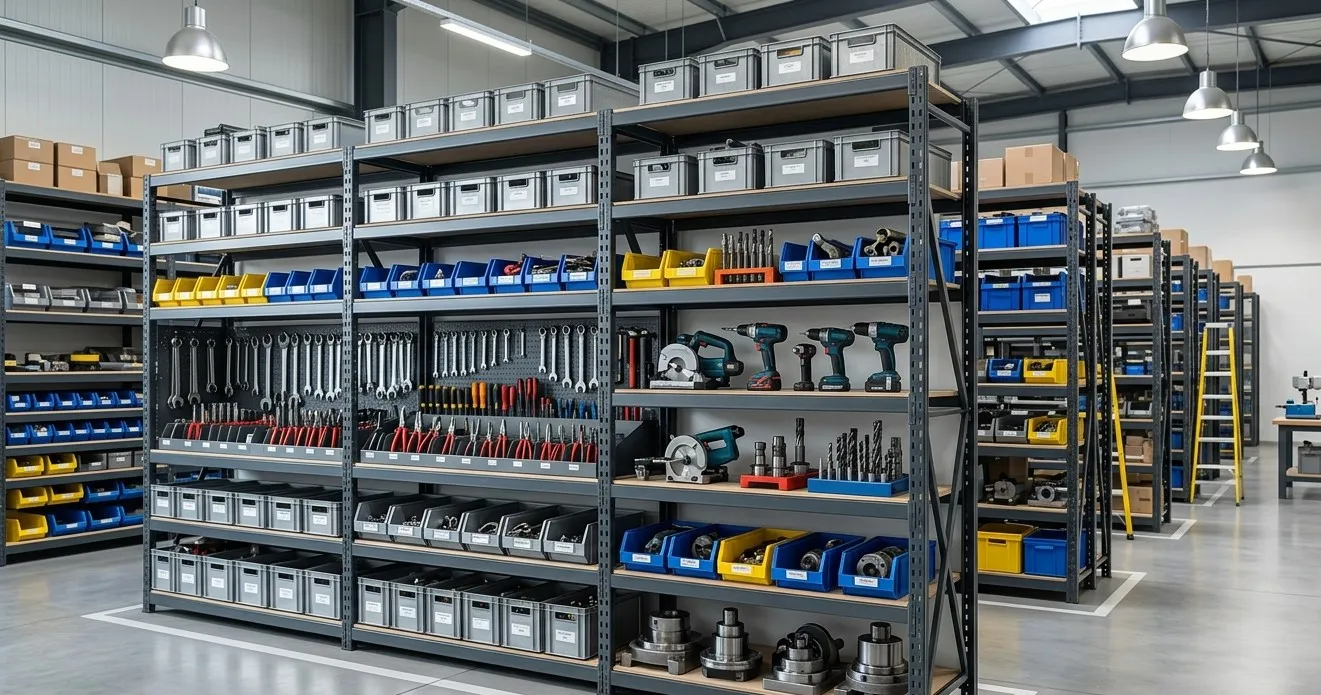
Efficient industrial tool inventory management is essential for keeping manufacturing operations running smoothly. When essential cutting tools, carbide inserts, drills, or toolholders are unavailable, production teams may face machine downtime, missed deadlines, and increased operating costs.
A well-organized inventory system helps businesses maintain the right tools in the right quantities while avoiding unnecessary overstocking. By monitoring tool consumption, setting reorder levels, and coordinating with suppliers, manufacturers can reduce shortages and improve productivity.
For companies looking to buy carbide inserts dubai or compare cnc cutting tools price uae, effective inventory planning is an important part of controlling machining costs. Khokhawala Trading LLC understands the importance of dependable industrial tooling for manufacturing operations.
Table of Contents
-
Why Industrial Tool Inventory Management Matters
-
How to Manage Tool Inventory Effectively
-
Common Inventory Management Mistakes
-
Benefits of Proper Inventory Control
-
Frequently Asked Questions
-
Conclusion and CTA
1. Why Industrial Tool Inventory Management Matters
Industrial tools are essential for daily production, maintenance, and machining activities. Without proper stock control, businesses may run out of critical items or tie up money in tools they rarely use.
Common inventory challenges include:
-
Unexpected shortages of cutting tools and inserts
-
Incorrect stock records
-
Delayed supplier deliveries
-
Excessive emergency purchasing
-
Misplaced or unused tools
-
Poor communication between purchasing and production teams
Managing inventory effectively helps prevent these issues and keeps essential tools available when production requires them.
2. How to Manage Tool Inventory Effectively
Step 1: Maintain an Accurate Inventory Record
Create a centralized inventory list containing tool names, specifications, quantities, storage locations, suppliers, and reorder levels.
Update records whenever tools are received, issued, returned, or discarded. Barcode scanning or inventory software can improve accuracy and make stock easier to monitor.
Step 2: Set Minimum Stock and Reorder Levels
Determine how much of each tool is needed to support production during supplier lead times.
A basic formula is:
Reorder Point = Average Daily Usage × Supplier Lead Time + Safety Stock
For example, if a workshop uses 10 inserts per day, replenishment takes five days, and safety stock is 20 inserts, the reorder point is 70 inserts.
Reordering at this level helps reduce the risk of running out before the next delivery arrives.
Step 3: Prioritize Critical Tools
Not every tool requires the same level of inventory control. Identify items that could stop production if unavailable, such as specialized inserts, essential drills, and application-specific cutters.
Review these critical items more frequently and maintain suitable backup quantities based on demand and supplier reliability.
Step 4: Track Tool Consumption
Monitor how quickly tools are used by machines, departments, and production jobs. Consumption records help identify frequently used products, unusual usage patterns, and opportunities to improve purchasing decisions.
If a particular cutting insert is consumed faster than expected, investigate tool life, machining parameters, material conditions, and possible tool misuse before increasing stock levels.
Step 5: Organize Storage and Tool Issuing
Store tools in clearly labeled locations according to type, size, grade, or application. Keep similar-looking products separated to prevent selection errors.
Record tool withdrawals and returns consistently. This helps employees find the correct items quickly and reduces discrepancies between recorded and actual stock.
Step 6: Work Closely With Suppliers
Maintain communication with suppliers about availability, delivery schedules, product specifications, and changing production requirements.
For businesses planning to buy carbide inserts dubai, checking stock availability and expected delivery times can help prevent last-minute shortages. When comparing cnc cutting tools price uae, consider product suitability, expected tool life, and delivery reliability alongside the purchase price.
3. Common Inventory Management Mistakes
Avoid these mistakes to keep inventory under control:
-
Ordering only after stock runs out: This increases the risk of production interruptions.
-
Keeping inaccurate records: Incorrect quantities can lead to unnecessary orders or unexpected shortages.
-
Overstocking slow-moving tools: Excess inventory ties up working capital and storage space.
-
Ignoring supplier lead times: Long or inconsistent delivery periods require better planning.
-
Failing to track consumption: Without usage data, purchasing quantities may not match actual demand.
-
Mixing similar tools together: Poor labeling can cause errors and waste valuable production time.
Regular stock reviews and clear inventory procedures help prevent these problems.
4. Benefits of Proper Inventory Control
A structured inventory management system offers several advantages:
-
Fewer production delays: Essential tools are available when needed.
-
Better cost control: Planned purchasing reduces emergency orders and excess stock.
-
Improved productivity: Employees spend less time searching for tools.
-
More reliable planning: Accurate records support production scheduling and purchasing decisions.
-
Reduced waste: Monitoring consumption helps identify unnecessary usage and obsolete stock.
Even a simple spreadsheet can improve inventory visibility when records are updated consistently. Larger operations may benefit from barcode systems or dedicated inventory software.
5. Frequently Asked Questions
Q1. What is industrial tool inventory management?
It is the process of tracking, storing, issuing, replenishing, and controlling industrial tools to ensure availability while minimizing waste and unnecessary costs.
Q2. How can inventory management prevent production delays?
Accurate stock records, reorder points, safety stock, and supplier coordination help businesses replenish essential tools before shortages interrupt production.
Q3. How often should industrial tool inventory be checked?
Critical and frequently used tools should be reviewed regularly. Cycle counting allows businesses to check selected inventory items throughout the year without counting everything at once.
Q4. How much safety stock should a business maintain?
Safety stock depends on tool consumption, supplier lead time, demand variability, and the consequences of a shortage. Critical tools with uncertain delivery times may require larger buffers.
Q5. Can small workshops manage inventory without specialized software?
Yes. A well-maintained spreadsheet can track quantities, suppliers, usage, and reorder points. Barcode systems or inventory software may become useful as operations grow.
6. Conclusion and Call to Action
Managing industrial tool inventory effectively helps manufacturers reduce downtime, control purchasing costs, and maintain consistent production schedules. Accurate records, suitable reorder levels, organized storage, consumption tracking, and reliable supplier relationships are the foundations of successful inventory control.
Businesses should regularly review stock levels and adjust purchasing plans as production requirements change.
Looking for industrial cutting tools for your business? Khokhawala Trading LLC can help you explore suitable tooling options for your machining needs. Whether you want to buy carbide inserts dubai or compare cnc cutting tools price uae, consider product specifications, application requirements, availability, and long-term value.
Contact Khokhawala Trading LLC to discuss your industrial tooling requirements and support your production goals.
Related Reading
Top 10 Hidden Secrets About Business & Finance You Need to Know
Welcome to our in-depth exploration of Business & Finance. In an era defined...
Why Business & Finance is Transforming the Global Industry Landscape
Welcome to our in-depth exploration of Business & Finance. In an era defined...