How Can a Disc Screener Reduce Processing Time in Waste Management?
By Payal Verma
108 Views
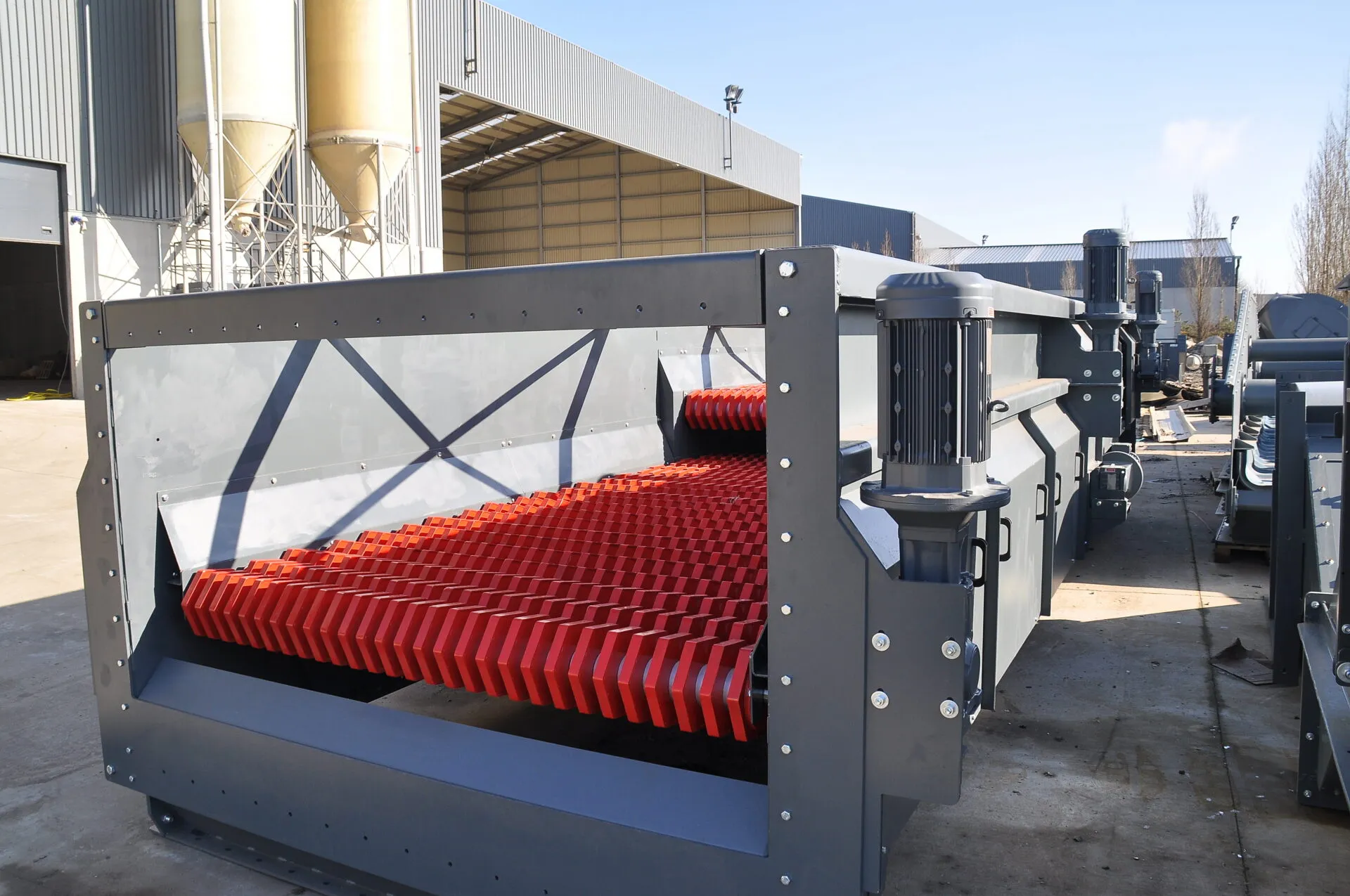
A disc screener plays an important role in improving speed and efficiency in waste management operations. It is designed to separate materials quickly based on size, texture, and composition. Instead of relying on slow manual sorting, a disc screener uses a rotating screening system that continuously moves waste through the machine. This helps facilities process larger volumes in less time while keeping the workflow smooth and consistent.
Why Time Reduction Matters in Waste Processing
In waste management, every minute matters. When waste arrives in bulk, delays in sorting can slow down the entire operation. A disc screener helps solve this problem by automating the first stage of material separation. It can quickly divide compostable waste, recyclables, and unwanted material so that each stream moves to the next process without interruption. This reduces bottlenecks and improves overall plant productivity.
Efficient Material Handling
One of the biggest advantages of a disc screener is its ability to handle different types of waste at the same time. Waste often contains mixed materials such as organic matter, plastics, stones, and fines. A disc screener uses rotating discs to lift, tumble, and separate material more effectively than traditional static screens. Because of this continuous movement, waste passes through the system faster and more evenly.
This efficiency is especially useful in composting and recycling operations where clean separation directly affects the quality of the final output. When materials are separated properly at the beginning, downstream equipment works better and requires less reprocessing. That means less downtime, fewer errors, and faster completion of each batch.
Supporting Composting and Recycling Systems
A disc screener is often used before composting or after collection to prepare waste for further treatment. In organic waste facilities, it helps remove oversized or non-compostable items so that only suitable material moves forward. This is similar to the role of a vernier composting machine, which is also used to improve organic waste processing and support faster compost production. While both machines serve different functions, they contribute to a more efficient waste management system by reducing unnecessary delays.
By improving the quality of input material, the disc screener helps composting and recycling units perform more effectively. Cleaner material loads reduce wear on machinery, lower maintenance needs, and shorten processing cycles. This creates a more reliable and time-saving operation across the entire plant.
Better Output with Less Manual Work
Another major time-saving benefit is the reduction in manual labor. Without a disc screener, workers may need to inspect and sort waste by hand, which takes much longer and increases the chance of inconsistency. A disc screener automates much of this task, allowing operators to focus on monitoring performance instead of constant sorting. This improves labor efficiency and allows facilities to manage larger waste volumes with fewer delays.
Conclusion
A disc screener reduces processing time in waste management by automating material separation, improving flow, and minimizing manual sorting. It helps facilities handle mixed waste faster and more efficiently while supporting composting and recycling systems. Along with equipment like a vernier composting machine, it creates a smoother, quicker, and more productive waste processing operation.
Related Reading
Top 10 Hidden Secrets About Business & Finance You Need to Know
Welcome to our in-depth exploration of Business & Finance. In an era defined...
Why Business & Finance is Transforming the Global Industry Landscape
Welcome to our in-depth exploration of Business & Finance. In an era defined...