Smart Ways to Improve Business Cash Flow in 2026 for Sustainable Growth
135 Views
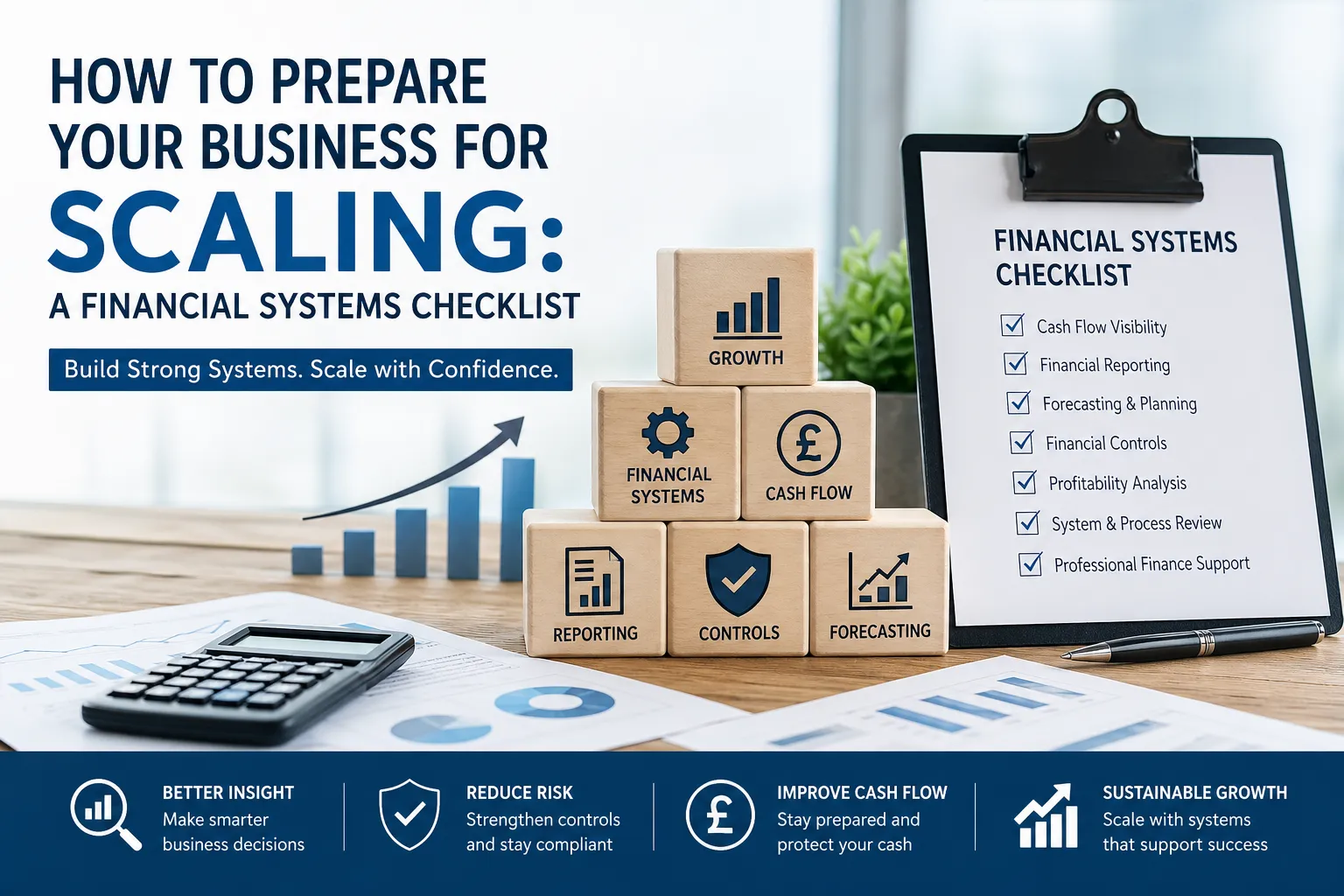
How Businesses Can Improve Cash Flow in 2026: Smart Strategies for Sustainable Growth
In today’s uncertain economic environment, maintaining healthy finances has become one of the biggest priorities for organisations across the UK. Rising operational costs, delayed customer payments, inflation pressures, and changing market conditions are forcing companies to rethink how they manage their finances. As we move through 2026, businesses that focus on strengthening their business cash flow position will be far better prepared for long-term growth and stability.
Cash flow is more than simply tracking money coming in and out of a company. It reflects the financial health of the organisation, its ability to pay suppliers, invest in growth, manage unexpected challenges, and maintain daily operations without disruption. Even profitable businesses can struggle if cash flow is poorly managed.
This is why many organisations now work closely with financial consultants, outsourced accounting professionals, and strategic business advisors to create stronger financial systems and sustainable growth plans.
Below are some of the most effective ways businesses can improve cash flow in 2026 while building a stronger financial future.
Why Strong Cash Flow Matters More Than Ever
A business may generate strong sales, but if customer payments are delayed or expenses rise too quickly, financial pressure builds rapidly. Poor cash flow can lead to:
- Difficulty paying employees and suppliers
- Reduced ability to invest in expansion
- Increased borrowing and debt dependency
- Missed business opportunities
- Financial instability during economic uncertainty
Healthy business cash flow gives companies greater flexibility and confidence. It allows decision-makers to plan ahead instead of constantly reacting to financial stress.
In 2026, companies that actively monitor and improve their financial processes will gain a major competitive advantage.
Improve Invoice Management and Payment Collection
One of the fastest ways to improve cash flow is by speeding up customer payments. Many businesses lose valuable working capital simply because invoices are sent late or payment follow-ups are inconsistent.
To improve payment collection:
- Send invoices immediately after delivering products or services
- Offer multiple payment methods for customer convenience
- Use automated invoicing software
- Set clear payment terms from the beginning
- Follow up professionally on overdue accounts
Many finance professionals also recommend offering small incentives for early payments. Even a modest discount can encourage faster transactions and improve cash availability.
Businesses should also regularly review customers with repeated late payment histories. Tightening credit policies where necessary can reduce future financial risk.
Reduce Unnecessary Operating Expenses
Controlling spending remains one of the most practical strategies for improving financial stability. In many businesses, expenses gradually increase over time without regular review.
Conducting a full expense analysis can reveal hidden inefficiencies such as:
- Unused software subscriptions
- Excess office costs
- Inefficient supply chain expenses
- High utility consumption
- Duplicate operational tools
Reducing unnecessary spending does not mean sacrificing quality or limiting growth. Instead, it means creating smarter financial discipline.
Professional consultants often help businesses identify areas where operational efficiency can improve without affecting productivity or customer experience.
Strengthen Financial Forecasting
Accurate forecasting is essential for long-term success. Businesses that regularly forecast cash flow can identify potential shortfalls before they become serious problems.
A strong forecasting process should include:
- Monthly revenue projections
- Seasonal sales trends
- Upcoming operational expenses
- Tax obligations
- Planned investments
- Emergency financial planning
Modern cloud-based accounting systems now provide real-time financial insights, making forecasting more accurate and accessible than ever before.
Working with experienced accounting professionals can further improve forecasting accuracy by helping businesses interpret financial data strategically rather than simply recording transactions.
Build Emergency Cash Reserves
Economic uncertainty has shown businesses the importance of financial preparedness. Unexpected disruptions can occur at any time, including supply chain delays, market downturns, or sudden operational expenses.
Creating emergency cash reserves provides greater financial protection and business continuity.
Many financial advisors recommend maintaining enough reserve funds to cover at least three to six months of operating expenses. While building reserves may take time, even gradual contributions strengthen financial resilience.
Strong reserves also reduce dependency on high-interest borrowing during difficult periods.
Optimise Inventory Management
Excess inventory ties up valuable cash that could be used elsewhere in the business. On the other hand, insufficient stock levels may lead to lost sales and unhappy customers.
Finding the right balance is critical for improving business cash flow.
Businesses can optimise inventory management by:
- Analysing sales patterns regularly
- Using inventory tracking software
- Reducing slow-moving stock
- Negotiating better supplier terms
- Improving demand forecasting
Efficient inventory management improves liquidity while helping businesses maintain operational efficiency.
Use Technology to Improve Financial Efficiency
Technology continues to transform financial management in 2026. Businesses that embrace digital finance tools can reduce manual work, improve accuracy, and gain better financial visibility.
Popular financial technologies now include:
- Cloud accounting platforms
- Automated expense tracking
- AI-powered forecasting tools
- Digital payment systems
- Financial reporting dashboards
Automation reduces administrative burdens while helping leadership teams make faster, data-driven decisions.
Outsourced finance professionals frequently help businesses integrate these systems effectively while ensuring compliance and operational accuracy.
Negotiate Better Supplier and Payment Terms
Improving supplier relationships can create valuable financial flexibility. Businesses should regularly review supplier agreements and explore opportunities for better payment arrangements.
Possible strategies include:
- Extending payment terms where appropriate
- Negotiating bulk purchasing discounts
- Consolidating vendors for better pricing
- Building long-term supplier partnerships
Improved supplier terms can ease short-term financial pressure and support smoother working capital management.
At the same time, businesses should maintain strong communication with suppliers to preserve trust and reliability.
Diversify Revenue Streams
Relying heavily on a single income source creates financial vulnerability. Diversification helps businesses create more stable and predictable revenue.
Companies in 2026 are increasingly exploring:
- Subscription-based services
- Digital product offerings
- Consulting services
- Strategic partnerships
- New market expansion
- Online sales channels
Diversified revenue streams help stabilise business cash flow and reduce the impact of market fluctuations.
This approach also creates more opportunities for long-term business growth.
Outsource Financial Management Services
Many growing businesses now partner with outsourced finance and accounting professionals instead of building large in-house finance departments.
Outsourced financial services can provide:
- Cost-effective financial expertise
- Better reporting accuracy
- Payroll management
- Tax compliance support
- Strategic financial planning
- Cash flow analysis
Working with experienced consultants allows business owners to focus on operations and growth while financial experts manage complex financial responsibilities.
This model has become especially popular among startups, SMEs, and rapidly scaling businesses across the UK.
Improve Customer Retention and Predictable Revenue
Retaining existing customers is often more cost-effective than acquiring new ones. Businesses with loyal customer bases typically experience stronger revenue consistency and healthier financial performance.
Ways to improve customer retention include:
- Delivering excellent customer service
- Offering loyalty incentives
- Maintaining consistent communication
- Improving product quality
- Personalising customer experiences
Predictable recurring revenue creates greater financial stability and supports stronger planning decisions.
Satisfied customers also contribute to positive referrals and long-term business growth.
Monitor Financial KPIs Regularly
Businesses cannot improve what they do not measure. Monitoring financial performance indicators helps leadership teams identify problems early and make informed decisions.
Important KPIs include:
- Operating cash flow
- Gross profit margin
- Accounts receivable turnover
- Current ratio
- Net profit margin
- Customer acquisition cost
Regular financial reviews help businesses stay proactive instead of reactive.
Professional finance consultants often assist businesses in building customised KPI dashboards that support strategic growth objectives.
Conclusion
As businesses continue navigating economic uncertainty and increasing competition in 2026, improving business cash flow has become a critical priority for sustainable growth. Companies that actively strengthen financial management practices will be better positioned to adapt, invest, and succeed in changing market conditions.
From smarter invoicing and expense control to outsourcing financial expertise and embracing digital tools, there are many practical ways to improve financial stability. Businesses that work with experienced consultants and finance professionals can also gain deeper strategic insight, stronger forecasting capabilities, and more efficient operations.
Ultimately, healthy business cash flow is not just about surviving short-term challenges. It is about creating the financial foundation needed for long-term success, resilience, and confident business growth.
Related Reading
Top 10 Hidden Secrets About Business & Finance You Need to Know
Welcome to our in-depth exploration of Business & Finance. In an era defined...
Why Business & Finance is Transforming the Global Industry Landscape
Welcome to our in-depth exploration of Business & Finance. In an era defined...