How Athletic Footwear Continues to Shape Everyday Fashion
By tijitef
26 Views
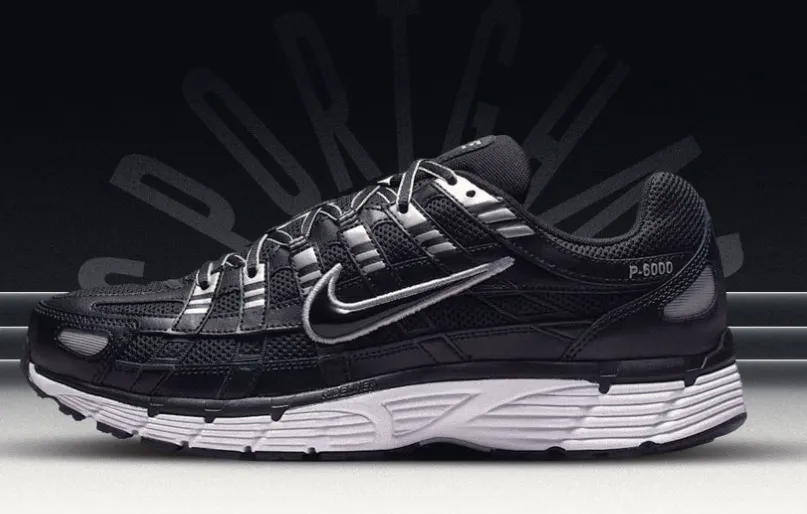
Trainers have become an important part of modern footwear, combining practical design with a wide range of styles. They are worn for everyday activities, casual outings, and different forms of exercise. Footwear collections offer various shapes, colours, materials, and construction details to suit different preferences. puma trainers are available in designs that explore sporty details, classic silhouettes, and contemporary finishes. Some styles feature simple colour combinations, while others include noticeable branding and contrasting panels. Choosing suitable footwear involves considering comfort, intended use, fit, and appearance. Understanding these features helps shoppers compare different options and find trainers that complement their everyday clothing.
The Appeal of Adidas Footwear
Sports footwear collections offer different approaches to design, performance, and everyday styling. adidas trainers include a variety of silhouettes, from classic-inspired designs to modern athletic footwear. Some models feature familiar three-stripe detailing, while others focus on streamlined shapes and updated materials. Colour choices range from neutral shades to brighter combinations, providing options for different tastes. Trainers can also vary in sole construction, cushioning, and upper materials. These differences influence how each pair looks and feels. Comparing individual models can help shoppers understand their features and select footwear that suits their activities and personal preferences.
Understanding Trainer Materials
Materials influence the appearance, flexibility, and overall construction of trainers. Mesh is commonly used in athletic footwear because its structure can support airflow. Leather and synthetic leather offer different finishes and are often used in casual designs. Textile uppers can provide varied textures, while suede panels add another visual detail. The midsole and outsole also contribute to a shoe's construction, with different materials used across footwear categories. Product descriptions can explain these features and help shoppers compare options. Checking material information is useful because the same style may be available in different versions with varying construction details.
Comfort, Fit, and Sole Construction
A suitable fit is important when selecting trainers for regular wear. Shoe sizing can vary between brands and models, so checking the size guide is helpful. The toe area should provide appropriate space, while the heel should feel secure during movement. Cushioning and sole design also influence the overall feel of footwear. Some trainers use lightweight midsoles, while others feature more structured construction. Intended use should guide the selection, as casual designs and sports-specific shoes may have different features. Trying footwear on, when possible, can help shoppers assess fit and comfort before making a decision.
Styling Trainers with Everyday Outfits
Trainers are versatile footwear because they can complement several clothing styles. A simple pair can be worn with jeans, T-shirts, and casual trousers for an uncomplicated outfit. Joggers and sweatshirts create a relaxed sports-inspired combination, while shorts can suit warmer conditions. Neutral trainers often coordinate with different colours, whereas brighter designs can become a noticeable part of an outfit. Socks and other accessories can also influence the overall appearance. Choosing footwear that complements existing clothing makes outfit planning easier. Personal taste and the occasion should guide styling rather than following every seasonal trend.
Colours and Design Features
Trainer designs include a broad selection of colours, patterns, and decorative details. White, black, grey, and navy remain familiar options because they can coordinate with many outfits. Other styles use bold shades, contrasting panels, and distinctive logos. Some designs have minimal branding, while others make brand details more noticeable. Sole shape, stitching, overlays, and lace arrangements also contribute to a shoe's appearance. Looking closely at product photographs and descriptions can help shoppers identify these features. Comparing different designs allows people to explore footwear that matches their preferred clothing style and everyday requirements.
Looking After Athletic Footwear
Proper care can help trainers maintain their appearance and condition. Cleaning methods should depend on the materials used in the upper and sole. Soft brushes and suitable cleaning products may be appropriate for certain surfaces, while delicate materials can require specialist care. It is useful to remove loose dirt carefully and allow footwear to dry naturally when appropriate. Direct heat may affect some materials, so manufacturer guidance should be followed. Storing trainers in a clean, dry place can also help protect them between uses. Regular attention to laces, soles, and uppers keeps footwear organised and ready to wear.
Choosing Trainers That Suit Your Needs
Selecting trainers involves considering design, fit, materials, construction, and intended use. Some shoppers may prefer classic silhouettes that coordinate with everyday clothing, while others look for specific athletic features. Checking product descriptions, sizing information, and care instructions can make comparisons more useful. It is also worth considering how frequently the shoes will be worn and which outfits they may complement. Both brands offer different models, so individual features matter more than the name alone. A suitable pair should meet practical requirements while reflecting personal taste and providing a comfortable fit for its intended purpose.
Related Reading
Why Lifestyle & Culture is Transforming the Global Industry Landscape
Welcome to our in-depth exploration of Lifestyle & Culture. In an era define...
Expert Insights: Navigating the Complex World of Lifestyle & Culture
Welcome to our in-depth exploration of Lifestyle & Culture. In an era define...