How Advanced Repair Technology Is Transforming Collision Restoration
By Shan
125 Views
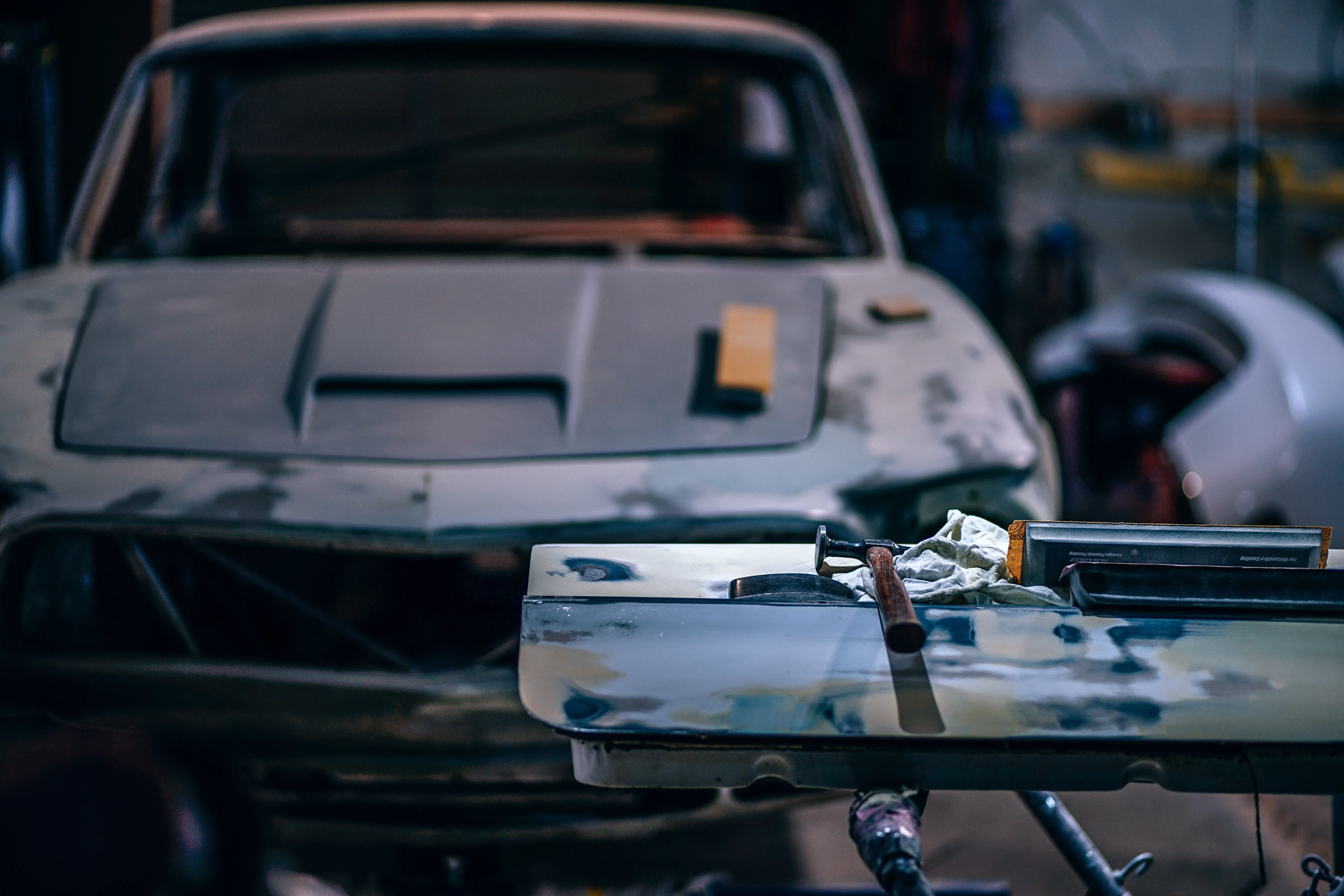
Vehicle repair has changed dramatically over the last decade. Modern automobiles are no longer simple machines made primarily of steel panels and mechanical components. Today’s vehicles contain advanced electronics, sophisticated safety systems, lightweight construction materials, onboard computers, cameras, sensors, and driver assistance technologies that require specialized knowledge to repair properly after an accident. As vehicles become more complex, the collision repair industry has evolved alongside them. The rise of advanced repair technology has completely transformed how technicians approach Professional collision repair, allowing repair centers to achieve higher levels of accuracy, efficiency, safety, and overall quality than ever before. What once depended heavily on manual measurements and visual inspections now incorporates digital tools, computerized diagnostics, and precision repair equipment that help restore vehicles to manufacturer standards with remarkable consistency.
The impact of technology on collision restoration extends far beyond convenience. Advanced repair tools are helping technicians identify hidden damage, improve repair precision, restore safety systems, and deliver better results for vehicle owners. These innovations are changing every stage of the repair process, from the initial inspection to the final quality check. As automotive technology continues to evolve, repair centers that invest in modern equipment and ongoing training are better positioned to meet the demands of today's vehicles and the expectations of their customers.
The Evolution of Collision Repair Technology
Years ago, collision repair relied heavily on technician experience and manual techniques. Skilled professionals used measuring tapes, visual assessments, and traditional tools to evaluate and repair damage. While craftsmanship remains essential today, modern technology has added a new level of precision to the process.
Vehicle manufacturers now build cars using advanced engineering principles that require highly accurate repair procedures. Small deviations that may have gone unnoticed in older vehicles can affect safety systems, handling characteristics, and overall performance in modern automobiles.
To address these challenges, repair centers have adopted sophisticated technologies that support every phase of restoration. These tools help reduce errors, improve efficiency, and ensure that repaired vehicles perform as intended after leaving the repair facility.
Computerized Damage Assessment Improves Accuracy
One of the most important advances in collision restoration is the ability to perform highly detailed damage assessments. Modern diagnostic tools allow technicians to evaluate both visible and hidden damage more accurately than ever before.
Many vehicle systems communicate through onboard computers that store information about faults, impacts, and component performance. Diagnostic scanning equipment can access this information and help identify issues that might otherwise remain hidden during a visual inspection.
By combining traditional inspection methods with advanced diagnostics, repair professionals can develop more comprehensive repair plans. This thorough approach helps ensure that no important damage is overlooked and that repairs address the full scope of the collision.
Accurate assessments form the foundation of successful restoration and help improve overall repair quality.
Digital Measuring Systems Enhance Structural Repairs
Structural repairs are among the most critical aspects of collision restoration. A vehicle's frame and supporting structure play an essential role in occupant protection, handling, and crash performance.
Modern repair facilities use computerized measuring systems that provide highly accurate data regarding structural alignment. These systems compare vehicle dimensions against manufacturer specifications and identify even minor deviations caused by collision damage.
The ability to measure structures with such precision helps technicians restore vehicles more accurately. Rather than relying solely on visual observations, they can use detailed data to guide repair decisions and verify results.
Digital measuring technology helps ensure that structural repairs meet strict standards and contribute to long-term vehicle safety.
Advanced Frame Straightening Technology
When significant structural damage occurs, frame straightening becomes an essential part of the restoration process. Traditional repair methods often relied on technician judgment and manual measurements. Modern systems have transformed this process by introducing greater precision and control.
Computer-assisted frame straightening equipment allows technicians to apply corrective forces accurately while monitoring structural movement in real time. This technology helps ensure that damaged components return to their intended positions without introducing additional stress or distortion.
Accurate frame restoration supports proper vehicle alignment, handling, and crash protection. It also creates a stronger foundation for subsequent repairs throughout the restoration process.
Technology has significantly improved the effectiveness and consistency of structural repair procedures.
Modern Diagnostic Tools Support Comprehensive Repairs
Today's vehicles contain numerous electronic systems that influence performance, safety, and convenience. Following a collision, these systems may require evaluation even if no obvious signs of damage are present.
Advanced diagnostic scanners allow technicians to communicate directly with vehicle computers and identify faults across multiple systems. These tools can detect sensor issues, calibration needs, communication errors, and other concerns that might affect vehicle operation.
Comprehensive diagnostics help ensure that electronic systems are functioning correctly before the vehicle is returned to the customer. This process supports both safety and reliability while reducing the likelihood of post-repair issues.
As vehicle technology becomes more sophisticated, diagnostic capabilities continue to play a larger role in collision restoration.
Technology Behind Advanced Driver Assistance Systems
Many modern vehicles include advanced driver assistance features designed to improve safety and reduce accident risks. These technologies may include adaptive cruise control, lane departure warnings, automatic emergency braking, blind spot monitoring, and parking assistance systems.
Following a collision, these systems often require inspection and recalibration. Even minor changes in component positioning can affect performance and accuracy.
Specialized calibration equipment allows technicians to restore these systems according to manufacturer requirements. Precise calibration helps ensure that safety technologies continue operating as intended after repairs are completed.
The growing prevalence of these systems has made calibration an essential component of modern collision restoration.
Digital Paint Matching Delivers Superior Results
Paint refinishing has also benefited significantly from technological innovation. Matching automotive paint accurately can be challenging due to variations caused by manufacturing processes, environmental exposure, and vehicle age.
Digital paint matching systems analyze color characteristics and help technicians identify precise formulas for refinishing work. These systems improve consistency and reduce guesswork during the color matching process.
Advanced software can account for subtle color variations and recommend adjustments that enhance accuracy. Combined with skilled refinishing techniques, this technology helps create seamless repairs that blend naturally with surrounding surfaces.
Improved color matching contributes to higher customer satisfaction and more professional-looking results.
Modern Paint Application Technology
Technology has also transformed how paint is applied during the restoration process. Advanced spray equipment provides greater control over material distribution, helping technicians achieve smooth and consistent finishes.
Controlled paint environments further improve refinishing quality by minimizing contamination from dust, debris, and environmental factors. Temperature and humidity controls support optimal curing conditions and enhance finish durability.
These technological improvements contribute to better appearance, improved longevity, and more consistent repair outcomes.
High-quality refinishing is an important part of restoring a vehicle to pre-accident condition.
Repairing Advanced Materials Requires Specialized Technology
Vehicle manufacturers increasingly use lightweight materials to improve fuel efficiency, performance, and safety. High-strength steel, aluminum, composites, and specialized alloys are now common in vehicle construction.
These materials require specific repair techniques and equipment. Traditional repair methods may not be suitable for modern material systems.
Advanced tools help technicians work with these materials safely and effectively while preserving their structural properties. Specialized welding equipment, bonding systems, and measuring devices support accurate repairs and help maintain manufacturer standards.
As material technology continues to evolve, repair centers must invest in equipment that supports these changing requirements.
Automation Improves Consistency
Automation is becoming an increasingly important part of collision restoration. While skilled technicians remain essential, automated systems can improve consistency and reduce variability in certain repair procedures.
Examples include computerized measuring systems, automated paint mixing equipment, and digital workflow management platforms. These technologies help streamline operations and support quality control efforts.
Automation does not replace technician expertise. Instead, it provides tools that allow professionals to work more efficiently and accurately.
The combination of human skill and technological precision often produces the best repair outcomes.
Data-Driven Repair Decisions
Modern repair technology generates valuable data that helps guide decision-making throughout the restoration process. Structural measurements, diagnostic results, calibration records, and quality control reports provide objective information that supports repair accuracy.
Technicians can use this data to verify repairs, document procedures, and ensure compliance with manufacturer recommendations. Data-driven processes improve accountability and contribute to more consistent results.
The ability to access detailed information throughout the repair process represents a significant advancement compared to traditional methods.
Enhanced Quality Control Through Technology
Quality control has always been important in collision repair, but technology has made inspections more effective and comprehensive.
Digital measuring systems, diagnostic tools, calibration equipment, and documentation platforms help technicians verify repair accuracy before vehicle delivery. These technologies reduce the likelihood of overlooked issues and support higher quality standards.
Comprehensive quality control procedures provide confidence that repairs have been completed correctly and that the vehicle is ready to return to service.
Customers benefit from greater reliability and peace of mind when repairs undergo thorough verification.
Faster Repairs Without Sacrificing Quality
One common misconception is that advanced technology only improves repair quality. In reality, it can also improve efficiency.
Accurate diagnostics reduce troubleshooting time. Digital measurements eliminate guesswork. Automated processes streamline workflows. Advanced equipment helps technicians complete tasks more effectively.
These efficiencies can shorten repair timelines while maintaining high standards of workmanship. Customers benefit from faster vehicle turnaround without compromising repair quality.
Technology allows repair centers to balance speed and precision more effectively than ever before.
Training Remains Essential
While technology provides powerful capabilities, successful restoration still depends on knowledgeable professionals. Equipment alone cannot guarantee quality results.
Technicians must understand how to operate advanced tools, interpret data, and apply repair procedures correctly. Ongoing training is essential because vehicle technology continues to evolve rapidly.
Leading repair centers invest heavily in education and professional development. Their commitment to learning helps ensure that technicians remain prepared to address the challenges of modern collision restoration.
The most effective repair environments combine advanced technology with skilled expertise.
The Future of Collision Restoration
The collision repair industry will continue evolving as vehicle technology advances. Electric vehicles, autonomous driving systems, connected vehicle networks, and new material technologies are already influencing repair requirements.
Future innovations may include enhanced diagnostics, artificial intelligence applications, augmented reality repair guidance, and even greater levels of automation. These developments have the potential to further improve repair accuracy and efficiency.
Repair centers that embrace innovation will be better equipped to meet changing customer expectations and manufacturer requirements.
Technology will continue playing a central role in shaping the future of collision restoration.
Conclusion
Advanced repair technology is transforming collision restoration in ways that were unimaginable just a few years ago. Computerized diagnostics, digital measuring systems, calibration equipment, paint matching technology, advanced material repair tools, and data-driven processes have elevated repair accuracy and consistency throughout the industry.
These innovations help technicians identify hidden damage, restore structural integrity, verify safety system performance, and deliver superior results for vehicle owners. While craftsmanship and experience remain essential, technology provides valuable support that enhances every stage of the repair process.
As vehicles become increasingly sophisticated, advanced repair technology will continue helping collision centers restore damaged vehicles safely, accurately, and efficiently. The combination of skilled professionals and innovative tools is creating a new standard of excellence in modern collision repair.
Trusted Auto Body Repair Solutions From MTY Collision
MTY Collision proudly combines experienced craftsmanship with modern repair technology to deliver outstanding results for drivers throughout the San Francisco Bay Area. Their skilled technicians utilize advanced diagnostic equipment, precision measuring systems, professional refinishing technology, and industry-approved repair methods to restore vehicles safely and accurately after accidents. From structural repairs and frame straightening to paint restoration, glass replacement, bumper repairs, and insurance assistance, MTY Collision remains committed to quality, reliability, and customer satisfaction. Drivers seeking dependable Collision repair services can trust MTY Collision to provide the expertise, technology, and attention to detail needed for exceptional vehicle restoration.