What Are the Most Important Features to Look for in Analytical Laboratory Equipment?
50 Views
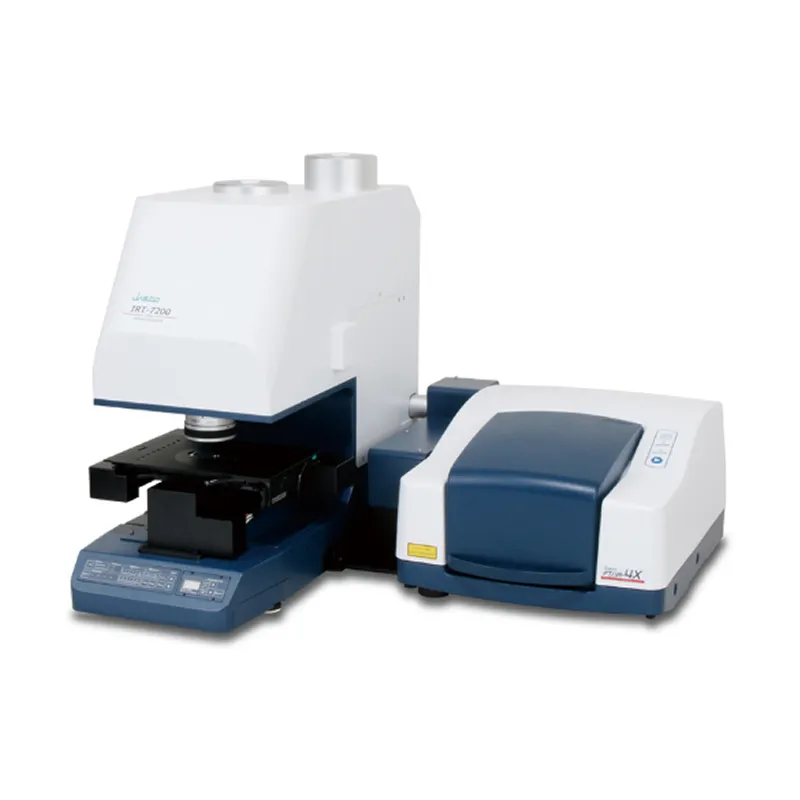
Choosing analytical laboratory equipment isn't simply a purchasing decision—it can influence the accuracy of research, the speed of testing, and the confidence people place in the results. Whether it's a pharmaceutical laboratory, a university research centre, a food testing facility, or a petrochemical laboratory in Saudi Arabia, the quality of analytical instruments directly affects everyday operations.
With countless models and manufacturers available, selecting the right equipment can feel overwhelming. Attractive specifications may look impressive on paper, but the real value lies in how an instrument performs over time, how easy it is to maintain, and whether it supports the laboratory's long-term objectives.
Working with an experienced analytical instruments supplier can simplify this process by helping laboratories choose equipment that matches both technical requirements and operational needs. Before making an investment, these are the features every laboratory should evaluate carefully.
Accuracy and Precision Should Always Come First
The primary purpose of analytical equipment is to produce reliable results. Even small measurement errors can affect research findings, quality control decisions, or regulatory compliance.
High-quality instruments should consistently deliver accurate and repeatable measurements under different testing conditions. Whether analysing chemical composition, measuring particle size, or identifying contaminants, laboratories need equipment that produces dependable data every time.
Consistency isn't just desirable—it forms the foundation of scientific credibility.
Sensitivity That Matches Your Applications
Different laboratories handle different sample types. Some applications require detecting trace elements measured in parts per billion, while others focus on routine quality testing.
Choosing equipment with the appropriate sensitivity prevents unnecessary spending on features that may never be used while ensuring the laboratory can meet current and future testing requirements.
An experienced analytical instruments supplier can help laboratories identify instruments that provide the right balance between performance and cost without overcomplicating routine workflows.
Ease of Operation Improves Productivity
Sophisticated technology shouldn't mean complicated operation.
Modern analytical instruments increasingly feature intuitive software, touchscreen interfaces, automated calibration, and guided workflows that reduce operator error.
When laboratory staff spend less time learning complex systems, they can focus more on testing, analysis, and research. User-friendly equipment also shortens training periods for new employees and helps maintain consistency across different operators.
Reliability Under Daily Workloads
Laboratory equipment often operates for long hours under demanding conditions. Frequent breakdowns don't just interrupt testing—they delay projects, increase maintenance costs, and reduce overall productivity.
Reliable instruments are built with durable components that maintain stable performance over extended periods.
For laboratories handling high sample volumes, dependable operation becomes just as important as technical specifications.
Calibration and Quality Assurance
Accurate equipment requires regular calibration to maintain confidence in test results.
When evaluating analytical instruments, laboratories should consider how easily the equipment can be calibrated and whether calibration procedures comply with recognised quality standards.
Many reputable suppliers also provide calibration services, validation support, and maintenance programmes that simplify ongoing quality assurance and help laboratories prepare for inspections or accreditation audits.
Software Integration and Data Management
Laboratories are becoming increasingly digital, making software compatibility more valuable than ever.
Modern analytical equipment should integrate smoothly with Laboratory Information Management Systems (LIMS), reporting software, and data storage platforms.
Automatic data recording reduces manual entry, minimises transcription errors, and improves traceability throughout the testing process.
Secure data management is particularly important for laboratories operating under strict regulatory requirements, where every result must be documented accurately.
After-Sales Support Matters More Than Many Realise
Even the most advanced instrument occasionally requires servicing, software updates, or replacement parts.
Choosing a dependable analytical instruments supplier ensures laboratories receive ongoing technical assistance long after the equipment has been installed.
Quality after-sales support often includes:
- Installation and commissioning
- Operator training
- Preventive maintenance
- Technical troubleshooting
- Calibration services
- Genuine spare parts
- Software updates
Strong local support reduces downtime and helps laboratories maintain uninterrupted operations.
Compliance with International Standards
Many industries in Saudi Arabia operate under strict quality and regulatory frameworks.
Analytical equipment should comply with recognised international standards while supporting laboratory accreditation requirements, including ISO guidelines where applicable.
Equipment backed by appropriate certifications gives laboratories greater confidence when producing reports for regulatory authorities, clients, or research publications.
Scalability for Future Growth
Laboratories rarely remain unchanged for long. As research expands or testing volumes increase, equipment should be capable of adapting to new demands.
Some instruments allow software upgrades, expanded testing capabilities, or integration with additional modules without requiring complete replacement.
Investing in scalable equipment helps laboratories protect their budgets while preparing for future growth.
Energy Efficiency and Operating Costs
Purchase price represents only part of the overall investment.
Laboratories should also evaluate long-term operating expenses, including maintenance, consumables, calibration, energy consumption, and service requirements.
Energy-efficient instruments with lower maintenance needs often provide better value throughout their operational lifespan.
A knowledgeable supplier can help laboratories estimate the total cost of ownership rather than focusing solely on initial purchase costs.
Conclusion
Selecting analytical laboratory equipment involves far more than comparing technical specifications or prices. Laboratories need instruments that deliver accurate results, withstand daily workloads, integrate with modern laboratory systems, and remain supported throughout their service life.
Partnering with a trusted analytical instruments supplier makes this process significantly easier. Their expertise helps laboratories identify equipment that aligns with operational goals, regulatory requirements, and future expansion plans. By focusing on quality, reliability, service, and long-term value rather than upfront cost alone, laboratories across Saudi Arabia can make confident investments that support better research, stronger quality control, and more dependable scientific outcomes for years to come.
Frequently Asked Questions
Why is accuracy more important than speed in analytical equipment?
Fast testing is valuable, but inaccurate results can lead to incorrect decisions, repeated analyses, and increased costs. Reliable accuracy should always remain the priority.
How does an analytical instruments supplier help laboratories?
An experienced supplier provides technical guidance, recommends suitable equipment, offers installation and training, performs maintenance, supplies genuine spare parts, and supports laboratories throughout the equipment's lifecycle.
Should laboratories invest in advanced features they may not use immediately?
Not necessarily. The ideal solution balances current testing requirements with future expansion, avoiding unnecessary costs while allowing room for growth when needed.