How a Spatial Design Studio Improves Brand Storytelling Through Space
By Baaya Design
55 Views
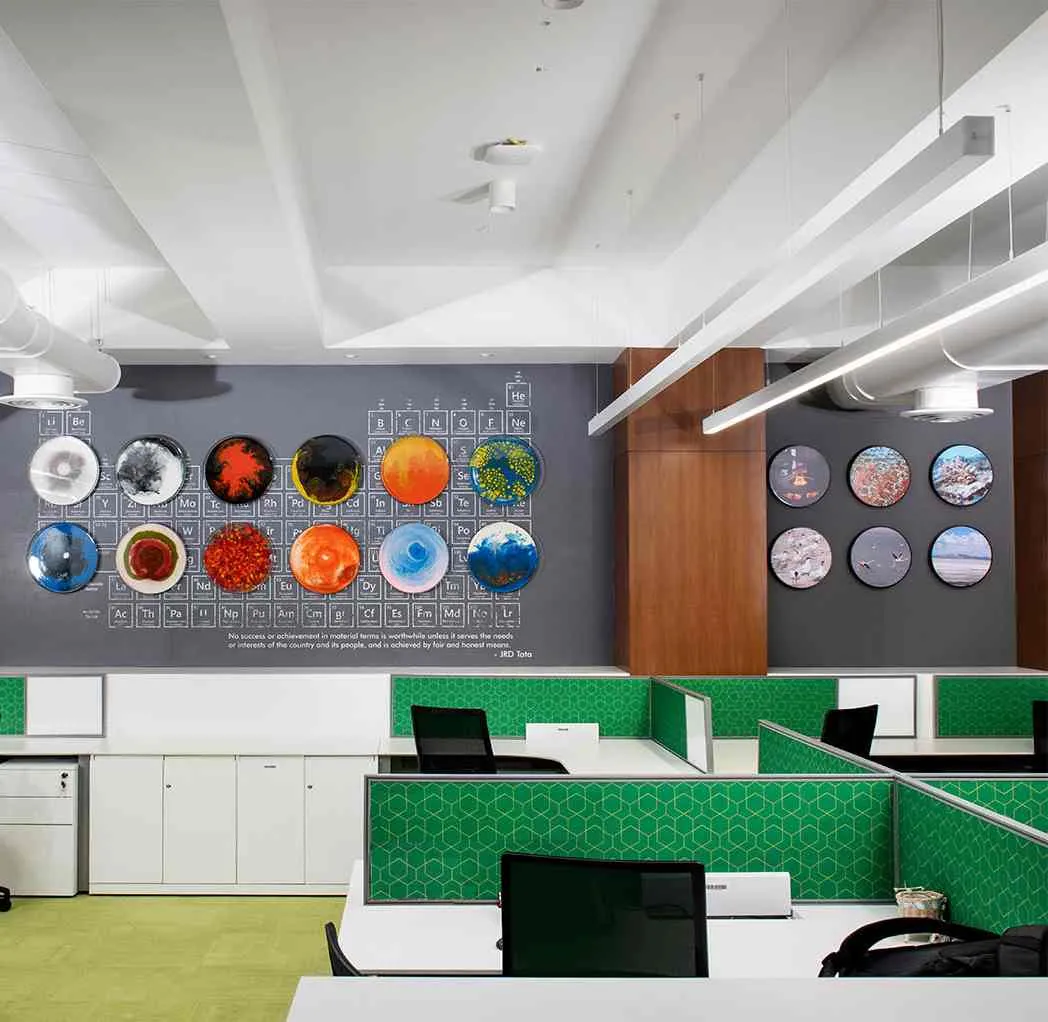
A brand is more than a logo, colour palette, or tagline. Today, people experience brands through physical environments as much as they do through websites, social media, and advertising. Whether it is a hotel lobby, retail store, corporate office, restaurant, or luxury residence, every space communicates something about the brand. The materials, lighting, layout, textures, colours, and even the way people move through the environment can influence how a brand is perceived and remembered.
This is where a spatial design studio can make a meaningful difference. Instead of treating interiors as purely aesthetic projects, spatial designers use space as a storytelling medium. They translate a brand's personality, values, and vision into physical experiences that people can see, touch, feel, and interact with. When done well, the result is a space that does not simply look attractive but tells a story that feels authentic and memorable.
What Is Brand Storytelling Through Space?
Brand storytelling through space is the process of expressing a brand's identity through its physical environment. Rather than communicating a message through words alone, the space itself becomes part of the narrative.
For example, a hospitality brand focused on sustainability may use natural materials, indoor greenery, energy-efficient lighting, and locally sourced craftsmanship. A luxury fashion store may communicate exclusivity through carefully controlled lighting, premium finishes, generous circulation areas, and curated product displays.
The objective is to create an environment where every design decision supports the same brand story. When architecture, interiors, furniture, signage, lighting, and sensory elements work together, visitors can understand what a brand stands for without needing to be explicitly told.
1. Translating Brand Identity Into a Physical Experience
One of the first ways spatial design improves brand storytelling is by turning abstract brand values into tangible experiences.
Words such as innovative, premium, warm, playful, or sustainable can mean different things to different people. A spatial design team interprets these qualities and translates them into physical design choices.
A technology company that wants to appear innovative may incorporate flexible workspaces, interactive installations, contemporary materials, and integrated technology. In contrast, a heritage hospitality brand may use traditional craftsmanship, regional materials, and locally inspired artwork.
This approach ensures that the physical environment reflects the brand rather than simply following a popular design trend.
2. Creating a Story Through the Customer Journey
Great storytelling has a beginning, middle, and end. Spatial design can follow a similar structure.
A well-planned environment guides people through a carefully considered journey. The entrance creates the first impression, transitional areas build anticipation, and key spaces deliver the central experience. Details placed throughout the journey can reinforce the brand narrative.
Consider a luxury hotel. The arrival area may establish a sense of exclusivity through dramatic lighting and carefully selected materials. The reception could introduce the property's cultural identity through artwork or craftsmanship. As guests move further inside, the design may become more relaxed and intimate.
This sequence makes the experience feel intentional. Instead of encountering disconnected design elements, visitors experience a story that unfolds naturally as they move through the space.
3. Using Materials, Colours, and Textures to Communicate Emotion
People respond emotionally to their surroundings, often before they consciously analyse them. Spatial designers can use this emotional response to strengthen brand storytelling.
Colours can influence mood and recognition. Materials can communicate quality, authenticity, or sustainability. Textures can make an environment feel warm, refined, raw, or contemporary.
For instance, natural stone and timber may create a sense of authenticity and permanence, while polished metal and glass can communicate precision and modernity. Soft fabrics and warm lighting can make a hospitality environment feel welcoming, whereas bold colours and dynamic graphics may create energy in a retail setting.
The key is consistency. When these elements are selected according to the brand's identity, they become part of a visual and sensory language that people can associate with the business.
4. Making the Brand More Memorable
In a competitive market, memorable experiences can become a powerful brand asset. A distinctive physical environment gives customers something they can remember, photograph, share, and talk about.
This is especially important for hospitality, retail, and commercial brands, where the physical environment plays a key role in shaping how customers perceive and interact with the brand.
A distinctive staircase, an unexpected mix of materials, an eye-catching reception desk, or a thoughtfully crafted installation can become a defining element of the brand experience. These moments can also extend beyond the physical space when visitors share them on social media.
In this way, spatial design can contribute to both offline and digital brand visibility.
5. Connecting People With the Brand's Values
Strong brand storytelling is not only about visual appeal. It is about creating an emotional connection.
A thoughtfully designed space can help people understand what a brand believes in. For example, a company that values collaboration may create open meeting zones and informal interaction areas. A wellness-focused brand may prioritise natural light, biophilic design, calming materials, and spaces that encourage relaxation.
When people experience these values rather than simply reading about them, the brand can feel more genuine and relatable.
6. Creating Consistency Across Different Touchpoints
A brand may have a presence across multiple physical spaces, including offices, retail stores, hotels, and experience centres. Spatial design can help create consistency across these environments while allowing each location to respond to its context.
The goal is not to replicate the exact same interior everywhere. Instead, designers identify the core elements of the brand and reinterpret them based on the location, audience, and purpose.
This creates a recognisable brand experience while still allowing each space to have its own identity.
Why Spatial Design Matters for Modern Brands
Modern consumers increasingly value experiences. They want to interact with brands that feel distinctive, authentic, and relevant. This has made the physical environment an important part of brand communication.
A well-designed space can influence first impressions, customer behaviour, employee engagement, and brand recall. More importantly, it can create an emotional connection that traditional marketing messages may struggle to achieve on their own.
By bringing together strategy, creativity, functionality, and human-centred design, spatial design studios help brands go beyond visual identity to create immersive environments that people can experience, connect with, and remember.
Conclusion
Brand storytelling does not have to happen only through advertising, content, or social media. The spaces people enter every day can tell equally powerful stories. From the first point of arrival to the smallest material detail, every design decision can reinforce a brand's personality and values.
A thoughtfully designed environment transforms a brand story into a physical experience. When space, identity, and customer journey work together, businesses can create places that are not only visually distinctive but also meaningful, memorable, and emotionally engaging. For brands looking to build stronger connections with their audiences, spatial design is no longer just about creating beautiful interiors, it is about creating experiences that people remember.
Related Reading
Expert Insights: Navigating the Complex World of Home Improvement
Welcome to our in-depth exploration of Home Improvement. In an era defined by ra...
Why Home Improvement is Transforming the Global Industry Landscape
Welcome to our in-depth exploration of Home Improvement. In an era defined by ra...