Safe Lifting Techniques for Housekeepers: Preventing Back Injuries and Promoting Workplace Ergonomics
By Wise Campus
34 Views
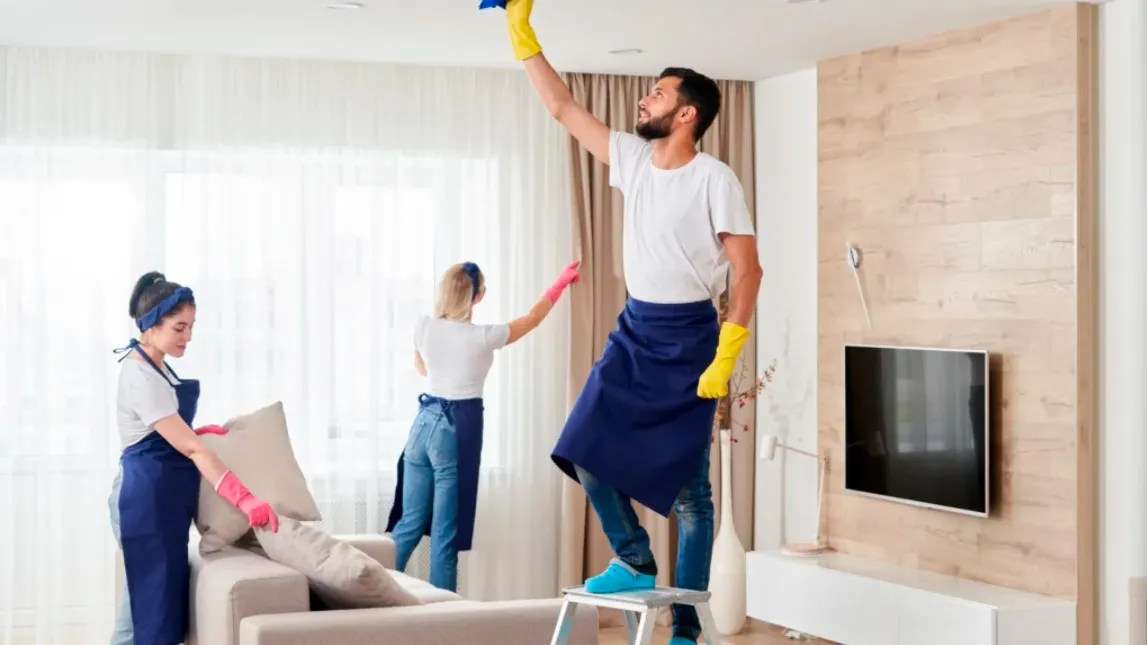
Housekeeping is often viewed as a straightforward operational role, but in reality, it is one of the most physically demanding occupations within the service and hospitality sectors. Housekeepers spend hours every shift lifting heavy mattresses, carrying bulky laundry hampers, maneuvering loaded cleaning carts, and reaching into awkward spaces. Over time, these repetitive physical movements place immense strain on the body, particularly the lumbar spine. Back injuries are among the leading causes of sick leave and chronic workplace discomfort for room attendants and domestic cleaners worldwide. Understanding and applying the correct lifting techniques is not merely a recommendation—it is an essential workplace health standard. By prioritizing proper body mechanics, housekeepers can protect their physical health, prolong their careers, and perform their daily tasks safely and efficiently.
Why Housekeepers Are Vulnerable to Back Injuries
The nature of housekeeping involves a combination of biomechanical factors that significantly elevate the risk of lower back strain and musculoskeletal disorders (MSDs). Unlike office work where posture remains largely static, room attendants engage in dynamic physical labor that repeatedly challenges the spine and surrounding muscle groups throughout the workday.
Several specific workplace habits contribute to this heightened injury risk:
-
Lifting Heavy and Unbalanced Loads: Lugging overloaded linen bags, water buckets, or heavy commercial vacuums without proper form or assistance stresses the lower back muscles.
-
Repetitive Bending and Twisting: Stripping beds, tucking tight hospital corners on mattresses, and cleaning low bathroom fixtures require constant forward flexion, compressing intervertebral discs.
-
Awkward Body Postures: Reaching across a king-sized mattress or crouching on hard tile floors shifts the center of gravity and forces stabilizing muscles to overcompensate.
Without proper physical awareness and ergonomic habits, these cumulative daily stresses can lead to acute injuries or chronic conditions such as sciatica, herniated discs, and persistent muscle strain.
Step-by-Step: The Correct Lifting Technique for Housekeeping Staff
To shield the spine from sudden trauma and cumulative wear-and-tear, housekeepers should strictly adhere to an ergonomically sound lifting sequence whenever handling heavy or awkwardly shaped objects. Moving deliberately and leveraging the strength of your legs drastically minimizes damaging load forces on the lower back.
-
Assess the Load First: Before reaching down, test the object’s weight by nudging it slightly. If it is too heavy or awkwardly shaped, ask a coworker for assistance or divide the load into smaller, manageable portions.
-
Establish a Wide, Sturdy Base: Position your feet shoulder-width apart, placing one foot slightly forward to widen your base of support and improve overall balance.
-
Bend at the Knees and Hips: Lower your body by bending your knees and hips while keeping your torso upright. Never bend forward directly from the waist with straight legs.
-
Engage Your Core Muscles: Tighten your abdominal muscles before initiating the lift. A firm core acts as an internal support brace for your spinal column.
-
Keep the Load Close to Your Body: Lift using the powerful muscles in your thighs and glutes rather than your lower back. Hold the object as close to your torso as possible to shorten the lever distance and reduce torque on the spine.
-
Pivot with Your Feet, Do Not Twist: If you need to turn while holding a load, rotate your entire body by stepping with your feet instead of twisting your spine. Twisting while carrying weight is one of the most common causes of immediate back injury.
Integrating Professional Training for Workplace Safety
While adopting safe lifting techniques on an individual level is crucial, formal education is the key to maintaining long-term injury prevention across entire cleaning teams. Managers and individual staff members benefit immensely from standardized physical ergonomics education that integrates practical safety rules into everyday routines. Proper instruction ensures that housekeepers learn not only how to lift safely, but also how to optimize their overall workflow to minimize physical exhaustion.
Enrolling in an accredited housekeeping course provides cleaning professionals and supervisors with valuable insights into industry standards, physical ergonomics, health and safety compliance, and efficient room turnover techniques. Professional development equips staff with the knowledge needed to maintain proper posture control, utilize mechanical assistance devices correctly, and recognize early signs of muscular fatigue before they escalate into serious injury.
Practical Ergonomic Adjustments for Daily Housekeeping Tasks
Lifting is only one element of a housekeeper's shift; staff perform dozens of other physical tasks that require mindful movement. Applying practical ergonomic strategies to everyday tasks can significantly reduce overall fatigue and spinal pressure throughout the day.
-
Making Beds: Instead of bending over the mattress from the waist, kneel on one knee or bend your hips deeply when tucking in fitted sheets.
-
Handling Cleaning Carts: Always push housekeeping carts using two hands rather than pulling them. Pushing allows you to use your leg strength and full body weight, whereas pulling twists the torso awkwardly under resistance.
-
Cleaning Low and Hard-to-Reach Areas: Use long-handled mops, dusters, and squeegees to avoid unnecessary stooping or overreaching when cleaning shower walls, mirrors, or under furniture.
-
Taking Micro-Breaks: Incorporate short 20-to-30-second stretching breaks every hour to relieve built-up tension in the lumbar spine, shoulders, and hips.
Protecting Your Health and Career Long-Term
Preventing back injuries in the housekeeping industry requires a continuous, proactive approach to ergonomics and bodily awareness. By mastering the core principles of safe lifting—bending with the legs, keeping loads close, and avoiding spinal twisting—housekeepers can safeguard their most valuable asset: their physical health. Employers and workers alike must recognize that physical safety directly impacts productivity, job satisfaction, and long-term career longevity. Investing time into correct body mechanics and ongoing professional training ensures that housekeepers can complete their essential work safely, comfortably, and effectively every single day.
Related Reading
Expert Insights: Navigating the Complex World of Education & Learning
Welcome to our in-depth exploration of Education & Learning. In an era defin...
Why Education & Learning is Transforming the Global Industry Landscape
Welcome to our in-depth exploration of Education & Learning. In an era defin...