Hot Water Tanks Sherwood Park: Complete Guide
68 Views
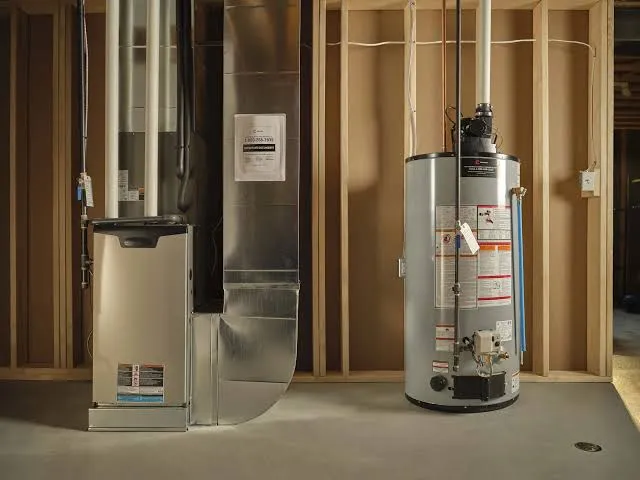
Introduction: Why Your Hot Water Tank Matters More Than You Think
Nothing derails a morning faster than stepping into a cold shower. For homeowners across Sherwood Park, a reliable hot water tank isn't a luxury it's a daily necessity that keeps dishes clean, laundry running, and families comfortable through Alberta's long winters.
Yet most people only think about their hot water tank when it fails. By then, they're often dealing with a flooded utility room, an emergency plumber, and a bill that's higher than it needed to be. This guide walks you through everything you need to know about hot water tanks in Sherwood Park how they work, when to repair versus replace, what installation involves, and how routine maintenance can add years to your system's life.
Whether you're building a new home, renovating, or simply noticing your water isn't as hot as it used to be, this article will help you make an informed decision.
Understanding How Hot Water Tanks Work
A conventional hot water tank is a fairly simple appliance, but understanding its basic mechanics helps you spot problems early.
The Core Components
Most residential tanks include:
- A storage tank — typically 40 to 60 gallons for a family home, insulated to retain heat
- A heating element or burner — electric tanks use elements, gas tanks use a burner and flue
- A thermostat — regulates water temperature, usually set between 120–140°F
- An anode rod — a sacrificial metal rod that attracts corrosive elements in the water, protecting the tank lining
- A pressure relief valve — releases excess pressure to prevent tank rupture
- A dip tube — directs incoming cold water to the bottom of the tank so it can be heated
Water enters at the bottom, is heated, and rises as needed to feed your taps, shower, and appliances. When hot water is drawn out, cold water refills the tank and the cycle continues.
Tank vs. Tankless Systems
Sherwood Park homeowners increasingly ask about tankless (on-demand) water heaters as an alternative to conventional tanks. Tankless units heat water only as it flows through the unit, rather than storing a large reserve. They tend to have a longer lifespan and lower standby energy loss, but come with a higher upfront cost and may require upgraded gas lines or electrical service. For most standard single-family homes, a well-maintained conventional tank still offers the best balance of cost and performance but it's worth discussing both options with a licensed plumber before you decide.
Signs Your Hot Water Tank Needs Attention
Catching problems early can mean the difference between a simple repair and a full replacement or worse, water damage to your home.
Watch for These Warning Signs
- Rusty or discolored water coming from hot taps
- Rumbling or popping noises from the tank, often caused by sediment buildup
- Inconsistent water temperature or a noticeably shorter hot water supply
- Water pooling around the base of the tank
- The tank is over 10–15 years old most conventional tanks have a lifespan in this range
- A rotten egg smell in hot water, which can indicate bacterial buildup in the tank
- Rising energy bills without a clear explanation
If you notice more than one of these signs, it's worth having a professional inspect the unit before it fails completely.
Repair or Replace? Making the Right Call
This is one of the most common questions homeowners face, and the right answer depends on a few factors.
When Repair Makes Sense
- The tank is less than 8 years old
- The issue is isolated (a faulty thermostat, heating element, or valve)
- There's no visible tank corrosion or leaking from the tank body itself
- The repair cost is significantly less than a full replacement
When Replacement Is the Smarter Investment
- The tank is leaking from the tank body (not a fitting or valve)
- The unit is beyond 12–15 years old
- You're experiencing repeated repairs within a short period
- You want to upgrade to a more energy-efficient model
- Your household's hot water demand has grown (larger family, new appliances)
A general rule plumbers use: if a repair costs more than 50% of a new installation, replacement is usually the more cost-effective long-term choice.
What to Expect During Installation
Replacing a hot water tank is a job best left to licensed professionals, both for safety and to meet Alberta's plumbing and gas codes.
The Typical Installation Process
- Assessment — the plumber evaluates your current setup, tank size needs, and fuel type (gas or electric)
- Removal — the old tank is drained and disconnected
- Installation — the new tank is set, connected to water lines, and (for gas units) vented properly
- Testing — the system is checked for leaks, proper pressure, and correct thermostat function
- Permit and inspection — in many municipalities, a permit is required for hot water tank replacement to ensure code compliance
Most straightforward tank swaps can be completed in a single day, though more complex installations such as switching from electric to gas, or upgrading to a tankless system — may take longer.
A Related Concern: Poly-B Plumbing in Older Homes
If your home was built between the 1970s and mid-1990s, there's a good chance it still has Poly-B (polybutylene) piping. This gray plastic piping was widely used across Alberta during that era but has since become known for its tendency to become brittle and fail over time, particularly at fittings.
Homeowners undertaking a hot water tank replacement often use the opportunity to also address Poly-B replacement in Edmonton and surrounding areas, since the plumber is already accessing the water lines. Replacing Poly-B piping with modern PEX piping can:
- Reduce the risk of unexpected leaks and water damage
- Improve insurance eligibility (some insurers now decline or increase premiums for homes with Poly-B)
- Increase resale value and buyer confidence
If you're unsure whether your home has Poly-B piping, a licensed plumber can typically identify it during a routine inspection or service call.
Other Plumbing Systems Worth Checking
While you're thinking about your hot water tank, it's worth being aware of a few other plumbing systems that often need attention around the same life stage as a home's water heater.
- Backwater valves: A backwater valve prevents sewage from backing up into your home during heavy rainfall or municipal sewer surges a growing concern as extreme weather events become more frequent.
- Sewer line condition: Aging clay or cast iron sewer lines can develop cracks, root intrusion, or bellies that restrict flow. Sewer line replacement is a significant investment, but catching problems early through camera inspection can prevent costly emergency repairs.
- Commercial plumbing needs: For business owners, commercial sewer repair involves different code requirements and larger-scale systems than residential work, and typically requires a plumber experienced specifically in commercial applications.
Addressing these systems proactively rather than reactively tends to save homeowners and business owners significant money over time.
Real-World Example: A Typical Sherwood Park Scenario
Consider a common situation: a homeowner in an older Sherwood Park neighborhood notices their hot water tank is 14 years old and has started making popping noises. During the inspection, the plumber also discovers Poly-B piping feeding the water heater.
Rather than replacing just the tank and leaving the aging piping in place, the homeowner opts to have the Poly-B sections near the water heater replaced with PEX at the same time. This reduces the risk of a future leak in a hard-to-access area and avoids the cost of a second service call down the road. This kind of "bundle the work" approach is common and often more cost-effective than tackling each issue separately.
Frequently Asked Questions
How long do hot water tanks typically last? Most conventional tanks last 10–15 years, depending on water quality, maintenance, and usage. Tankless systems can last 20 years or more with proper care.
How often should I flush my hot water tank? Most manufacturers recommend flushing sediment from the tank annually. Homes with hard water may benefit from more frequent flushing.
Is it normal for a hot water tank to leak a little? No. Any visible leaking from the tank body itself is a sign the tank needs replacement. Leaks from fittings or the pressure relief valve may be repairable.
Do I need a permit to replace a hot water tank? In most Alberta municipalities, yes a plumbing permit is required to ensure the installation meets code and passes inspection.
What size tank do I need for my home? As a general guideline, a 40-gallon tank suits 1–3 people, a 50-gallon tank suits 3–5 people, and larger households or homes with high-demand fixtures may need 60+ gallons or a tankless system.
Can I replace Poly-B piping without a full renovation? Yes. Plumbers can often replace Poly-B in targeted sections such as near a water heater or under a sink without opening up entire walls, especially if the piping is accessible.
Conclusion: Don't Wait for a Cold Shower to Take Action
Your hot water tank is one of those systems that works quietly in the background until it doesn't. Recognizing early warning signs, understanding when repair versus replacement makes sense, and staying aware of related concerns like Poly-B piping can save you from costly emergencies and keep your home running smoothly.
If your hot water tank is aging, acting up, or simply due for an inspection, don't wait for a failure to force your hand. Reach out to a licensed local plumber for an assessment, and ask about bundling any needed Poly-B replacement or plumbing inspections into the same visit. A little proactive planning now can save you time, money, and stress later.
Have questions about your own hot water tank situation, or want to share your experience? Drop a comment below, share this article with a neighbor who might need it, or reach out to a trusted local plumbing professional to schedule an inspection today.
Related Reading
Expert Insights: Navigating the Complex World of Home Improvement
Welcome to our in-depth exploration of Home Improvement. In an era defined by ra...
Why Home Improvement is Transforming the Global Industry Landscape
Welcome to our in-depth exploration of Home Improvement. In an era defined by ra...