Hot Water Systems Troubleshooting: Top Tips for Efficient Systems
By Molly Crowe
150 Views
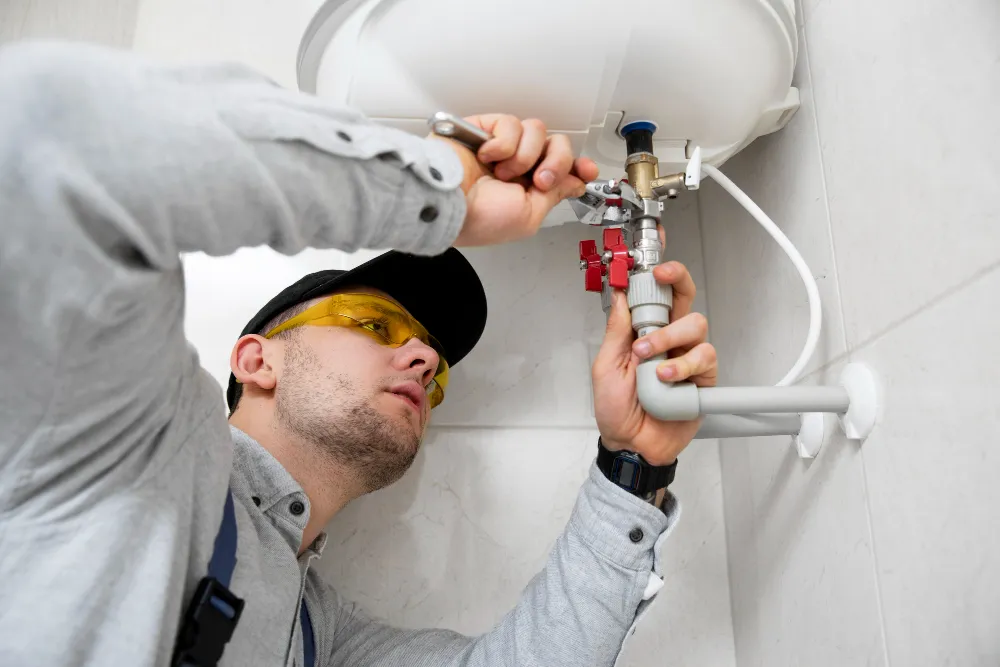
Ever stepped into what you thought would be a warm, relaxing shower only to be blasted with icy cold water? Or perhaps you've noticed your energy bills creeping up whilst your hot water seems to be disappearing faster than ever? Maybe you've heard strange rumbling sounds coming from your hot water unit and wondered if it's about to give up the ghost?
You're certainly not alone. Hot water systems are one of those household essentials we tend to ignore until something goes wrong. We expect them to work perfectly, day in and day out, without giving them much thought. But like any hardworking appliance, they need attention, maintenance, and occasional troubleshooting to keep running efficiently.
In this guide, we'll walk you through the most common hot water problems Australian households face and what's actually causing them. You'll learn how to troubleshoot issues based on your specific system type, discover which fixes you can safely tackle yourself, and understand when it's time to call in the professionals. Plus, we'll share our top tips for keeping your hot water system running smoothly for years to come. Let's get stuck into it.
Common Hot Water System Problems (And What's Really Causing Them)
Why Is My Hot Water Not Getting Hot Enough?
There's nothing more frustrating than lukewarm water when you're craving a proper hot shower. This common issue often traces back to your thermostat settings. Over time, thermostats can drift or be accidentally adjusted, leaving you with water that's barely warm.
Another culprit could be a faulty heating element, particularly in electric systems. Sediment buildup at the bottom of your tank can also act as an insulator, preventing efficient heat transfer. If you've recently had more people move into your home, the simple answer might be increased demand exceeding your system's capacity.
What Causes Hot Water to Run Out Quickly?
Running out of hot water mid-shower is a classic sign that something's not quite right. The most obvious reason is that your tank size doesn't match your household's needs. A family of five will struggle with a unit designed for two people.
Sediment accumulation reduces your tank's effective capacity over time. A broken dip tube can also mix cold incoming water with your hot water supply, diluting it before it reaches your taps. In some cases, a failing heating element means the water isn't being heated quickly enough to meet demand.
Why Does My Hot Water System Keep Turning Off?
If your system keeps shutting down unexpectedly, it's often a safety mechanism kicking in. Gas systems may cut out due to thermocouple issues or inadequate ventilation. Electric systems might trip circuit breakers when elements start failing.
Blocked vents, gas supply problems, or even something as simple as a dirty filter can cause your system to shut down. Don't ignore this issue it's your system's way of telling you something needs attention before a bigger problem develops.
Strange Noises Coming From Your Hot Water Unit
Rumbling, popping, or cracking sounds from your hot water unit can be alarming. These noises typically indicate sediment buildup on the bottom of your tank. As water heats up beneath this sediment layer, it creates those unsettling sounds.
Whistling might suggest a partially closed valve or pressure issues. Tapping or ticking sounds often occur during normal heating cycles as metal expands and contracts. While some noises are harmless, persistent loud sounds warrant investigation.
Hot Water System Types: Troubleshooting by System
Electric Hot Water System Issues
Electric systems are popular across Australia for their reliability and straightforward installation. Common problems include tripped circuit breakers, failed heating elements, and thermostat malfunctions. Check your switchboard first sometimes the fix is as simple as resetting a tripped breaker.
Element failure typically affects either the upper or lower element. If you're getting some hot water but it runs out quickly, the lower element might be the problem. No hot water at all often points to the upper element or thermostat.
Gas Hot Water System Problems
Gas systems can experience issues with the pilot light, thermocouple, or gas supply. If your pilot light keeps going out, the thermocouple might need replacement. This small sensor detects whether the pilot is lit and shuts off gas supply for safety if it's not working properly.
Check that your gas supply is connected and that any isolation valves are fully open. Poor ventilation can also cause gas systems to underperform or shut down as a safety precaution.
Solar Hot Water System Troubleshooting
Solar hot water systems rely on good weather and properly functioning collectors. Cloudy days will naturally reduce performance, but if you're not getting adequate hot water even on sunny days, your collectors might need cleaning or your circulation pump could be failing.
Check that your booster system (usually electric or gas) is working correctly for cloudy periods. Leaks in the collector panels or connecting pipes can significantly reduce efficiency.
Heat Pump Hot Water Concerns
Heat pumps extract warmth from the air, making them incredibly efficient in most Australian climates. However, they can struggle during extremely cold snaps. Reduced hot water production during winter is normal but shouldn't be dramatic.
Dirty evaporator coils reduce efficiency, so regular cleaning helps maintain performance. Strange noises from the compressor or fan might indicate mechanical issues requiring professional attention.
How Do I Know If My Hot Water System Needs Replacing?
Age and Lifespan Considerations
Most hot water systems have a lifespan of 8 to 15 years, depending on the type, quality, and maintenance history. Electric storage systems typically last 10 to 15 years, while gas systems often last 8 to 12 years. Heat pumps and solar systems can exceed 15 years with proper care.
If your system is approaching these ages, start budgeting for replacement rather than investing heavily in repairs.
Warning Signs You Shouldn't Ignore
Rust-coloured water indicates internal corrosion and tank deterioration. Water pooling around your unit suggests leaks that will only worsen. Inconsistent temperatures, frequent breakdowns, and steadily increasing energy bills all point toward a system nearing the end of its useful life.
Any visible corrosion on the tank exterior, particularly around seams and fittings, is cause for concern. Once a tank starts leaking, replacement is usually the only option.
Repair vs Replace: Making the Right Decision
Consider the age of your system, the cost of repairs, and your unit's efficiency compared to modern alternatives. As a general rule, if repair costs exceed 50% of replacement costs and your system is over halfway through its expected lifespan, replacement makes better financial sense.
Newer systems are significantly more energy-efficient, potentially saving you hundreds of dollars annually on energy bills.
DIY Hot Water Fixes You Can Safely Try at Home
Checking and Adjusting Your Thermostat
Your thermostat controls water temperature, and adjusting it is straightforward. For most households, 60°C is ideal hot enough to prevent bacterial growth but not so hot it risks scalding. Locate your thermostat (usually behind an access panel) and check the current setting.
If it's set correctly but water isn't reaching that temperature, the thermostat itself might need professional attention.
Relighting a Pilot Light on Gas Systems
A extinguished pilot light is a common issue with easy fixes. Most systems have instructions printed on the unit. Typically, you'll turn the gas control to "pilot," press and hold it while lighting the pilot with a match or igniter, then hold for 30 seconds before releasing.
If the pilot won't stay lit, the thermocouple likely needs replacement a job for a licensed professional.
Testing the Pressure Relief Valve
Your pressure relief valve is a critical safety feature that prevents dangerous pressure buildup. Test it annually by lifting the lever briefly water should flow freely then stop completely when released.
If water continues dripping after testing, the valve may need replacement. Never cap or plug a leaking relief valve, as this creates serious safety risks.
When to Call a Licensed Plumber
Issues That Require Professional Help
Some jobs are simply too dangerous or complex for DIY attempts. Gas work requires a licensed gasfitter no exceptions. Electrical connections need a qualified electrician. Tank replacements, major leaks, and persistent problems despite basic troubleshooting all warrant professional help.
Working on pressurised hot water systems without proper knowledge can result in serious injury or property damage.
Top Tips for Maintaining an Efficient Hot Water System
Regular Maintenance Schedule
Annual professional servicing extends your system's lifespan and maintains efficiency. Between services, flush your tank annually to remove sediment, test your pressure relief valve, and visually inspect for leaks or corrosion.
Keep the area around your unit clear and ensure adequate ventilation for gas systems.
Energy-Saving Practices for Lower Bills
Insulate exposed hot water pipes to reduce heat loss. Consider installing a timer on electric systems to heat water during off-peak tariff periods. Fix dripping hot water taps promptly they waste both water and energy.
Lower your thermostat to 60°C if it's set higher. Every degree above this costs you money without providing meaningful benefits.
Extending Your Hot Water System's Lifespan
Quality water softening can protect your system in hard water areas. Promptly address small issues before they become major problems. Consider an anode rod inspection every few years for storage systems this sacrificial component protects your tank from corrosion.
Keeping Your Hot Water Flowing Smoothly
Your hot water system works hard every single day, and understanding how to troubleshoot common problems can save you both money and frustration. From simple thermostat adjustments to recognising when professional help is needed, you're now equipped to handle whatever hot water challenges come your way.
The key takeaway? Don't wait for complete failure before paying attention to your hot water system. Regular maintenance, prompt repairs, and understanding your specific system type all contribute to reliable, efficient hot water for years to come. Those strange noises, temperature fluctuations, and minor issues are your system communicating listen to them.
Related Reading
Expert Insights: Navigating the Complex World of Home Improvement
Welcome to our in-depth exploration of Home Improvement. In an era defined by ra...
Why Home Improvement is Transforming the Global Industry Landscape
Welcome to our in-depth exploration of Home Improvement. In an era defined by ra...