Hockey Sticks: Understanding Types, Materials, and Performance
By Andyjone
4 Views
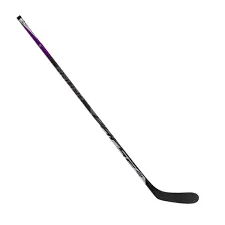
Hockey sticks are essential pieces of equipment used to control, pass, receive, and shoot the puck during a game. Their design can influence handling, accuracy, and comfort for players at different skill levels. Factors such as stick length, flex, blade curve, and construction material help determine which stick is suitable for a particular playing style. Understanding these features can help players, parents, and coaches make informed equipment decisions.
What Are Hockey Sticks?
Hockey sticks are designed to help players move the puck across the ice and direct it toward teammates or the goal. They generally consist of a shaft and a blade, which work together to support puck control and shooting.
The shape, stiffness, weight, and blade pattern can vary depending on the intended player group and playing preferences. Equipment requirements may also differ between recreational hockey, organized leagues, and competitive play.
Main Types of Hockey Sticks
Senior Sticks
Senior sticks are designed primarily for adult players. They commonly have longer shafts and a range of flex options to accommodate different heights, strengths, and shooting techniques.
Intermediate Sticks
Intermediate models provide an option between junior and senior sizes. They can suit teenagers or players whose measurements and strength make this size category appropriate.
Junior Sticks
Junior sticks are designed for younger players. Their shorter lengths and lower flex ratings can make them easier for developing players to handle.
Youth Sticks
Youth sticks are intended for younger children who are learning basic puck control, passing, and shooting skills. Their dimensions are designed around smaller players.
Materials Used in Hockey Stick Construction
The materials used in a stick affect its weight, durability, feel, and response during play.
Composite Materials
Composite sticks are commonly made using materials such as carbon fibre and fibreglass. Manufacturers may combine different materials to create particular stiffness and weight characteristics.
Wood
Wooden sticks remain an option for some players and recreational settings. They offer a different feel from composite models, although their weight and performance characteristics can vary.
Hybrid Construction
Some designs combine different materials or construction methods to balance feel, durability, and responsiveness.
Understanding Flex and Stick Length
Flex describes how much a stick shaft bends under force. A player's strength, shooting technique, and personal preference can influence which flex feels comfortable. A stick that is too stiff or too flexible may not suit every player.
Length is another important consideration. The appropriate stick length depends on player height, stance, skating posture, and playing preferences. Players should also consider league rules and coaching guidance when selecting equipment.
Blade Curve and Lie
The blade influences how the puck sits on the stick and how it can be directed during play.
Blade Curve
Blade curves vary in depth and shape. Different patterns can affect puck handling, passing, and shooting preferences.
Blade Lie
The lie describes the angle between the blade and the shaft. An appropriate lie helps the blade make suitable contact with the ice during normal skating and puck control.
Choosing a Hockey Stick for Different Playing Styles
Players may prioritize different characteristics according to their position and approach to the game. For example, some players may prefer a stick that supports quick puck release, while others may focus on puck handling and passing control.
Defenders, forwards, and goaltenders have different equipment requirements. Goaltenders use specialized sticks designed for their position, so they should not select a regular player stick as a direct substitute.
Hockey Sticks and SportsExcellence
SportsExcellence provides hockey equipment for players exploring gear for different stages of participation. When reviewing stick options, players can compare size categories, flex ratings, blade patterns, construction materials, and other product specifications to understand how different models vary.
The suitability of a stick depends on the player's measurements, experience, technique, and applicable equipment rules.
Care and Maintenance
Proper care can help keep a hockey stick in usable condition. Players can inspect the shaft and blade regularly for cracks, splintering, loose materials, or other signs of damage.
The blade should also be checked for excessive wear, while tape can be replaced when it becomes worn or loses its grip. Sticks should be stored in a dry place and away from conditions that may damage their materials.
Conclusion
Hockey sticks are designed around a range of player sizes, construction materials, flex ratings, blade patterns, and playing preferences. Understanding these differences can help players select equipment that fits their physical measurements and style of play.
By considering stick length, flex, blade design, durability, and proper maintenance, players can make more informed decisions about their hockey equipment. Reviewing product specifications and following coaching or league guidance can further help ensure that a stick is suitable for its intended use.